World news and discussion on TalkFuse.
JAFF Market Opens Third Edition With Call to Measure Indonesian Cinema’s Growth by Quality, Not Just Volume
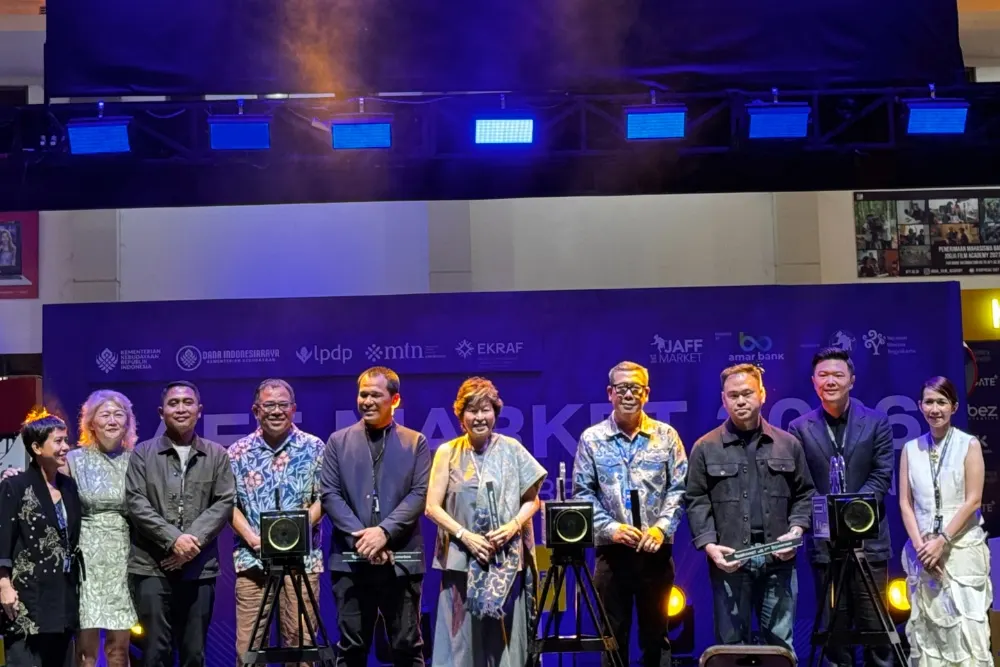
JAFF Market opened its third edition in Yogyakarta, with director Linda Gozali calling on Indonesia’s film industry to measure progress by quality as well as the number of projects and deals. Running for three days alongside the Jogja-Netpac Asian Film Festival, the market is also prompting reflection on whether the industry can withstand economic upheaval, political instability and wider global pressures.
The exhibition has 116 exhibitors, while the JAFF Future Project presents 12 projects from Indonesia and other countries. The IP Connection, previously known as JAFF Content Market, has opened to international properties for the first time, with 10 selections, including four from overseas. A new Producers Exchange brings together 14 producers from across the region and beyond; the article also describes a third-year Indonesia-France film lab, but its list of projects is cut off.
In short
- JAFF Market’s third edition opened in Yogyakarta.
- Linda Gozali urged the industry to value quality alongside scale.
- The programme includes 116 exhibitors and 12 project selections.
Explained simply
The Jogja-NETPAC Asian Film Festival, known as JAFF, is an annual film festival held in Yogyakarta, a city on the Indonesian island of Java. It showcases films from across Asia and runs alongside a market, a trade event where filmmakers, producers, distributors and investors meet to pitch projects, present work and negotiate deals. NETPAC, the Network for the Promotion of Asian Cinema, promotes Asian films internationally.
Indonesia's film industry has been expanding in recent years, with more films being made and more of them reaching audiences at home and abroad. People working in the sector often debate how its success should be judged, either by the number of films, projects and deals or by the quality of the work itself. Industry events such as the JAFF Market are part of that discussion, as they bring local and international players together to build connections and secure funding.
The industry also operates in an uncertain environment, where economic pressures, political change and global events can affect how films are financed and distributed. Questions about how well the sector can withstand these pressures are therefore a recurring theme. Understanding this background helps explain why the market attracts close attention from the wider film community.