Jaguar Type 01 finally revealed and we’ve driven the £120k EV – this is what it’s like
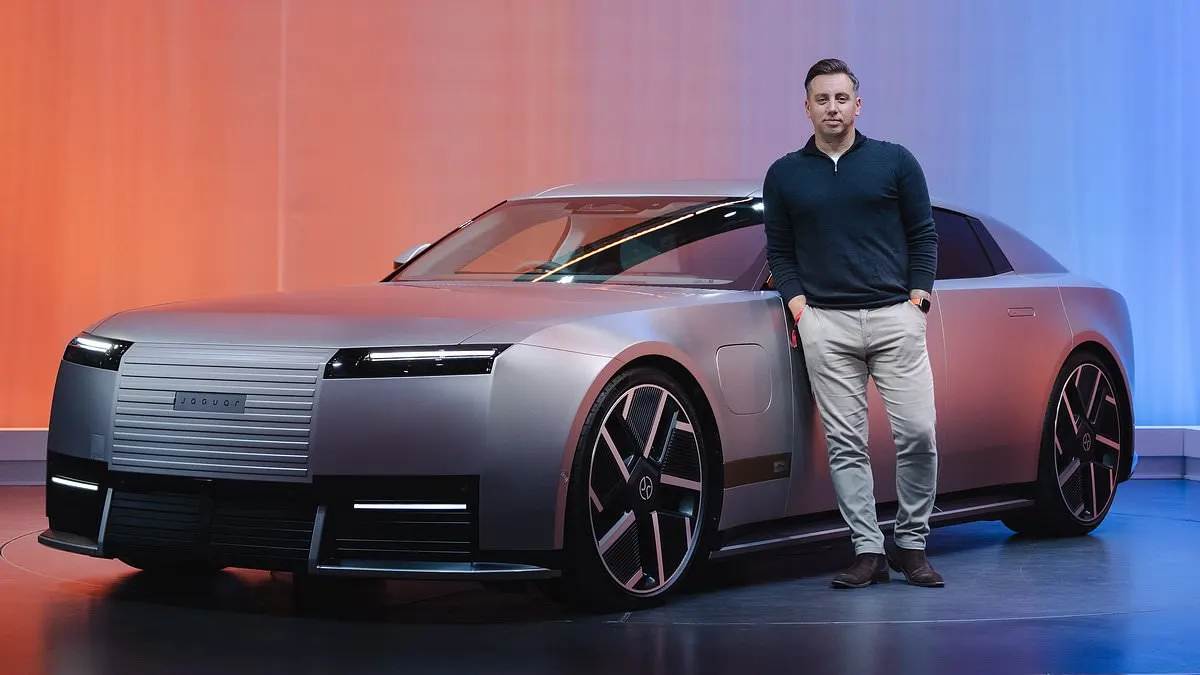
Jaguar has unveiled the Type 01, its flagship electric vehicle priced from £120,000, marking the culmination of a controversial rebrand that halted petrol and diesel sales. The 5.2-metre four-door grand tourer represents the luxury manufacturer's bold repositioning strategy to appeal to younger, wealthier buyers as a way to secure the 90-year-old brand's future. The launch comes nearly two years after a divisive advertising campaign featuring fashion models but no actual cars, which sparked widespread criticism and drew accusations of 'woke' marketing from high-profile figures including Donald Trump.
The Type 01 boasts over 1,000 horsepower, a real-world range of 400 miles, accelerates from 0-62mph in 3.2 seconds, and features striking proportions at just 1.4 metres high. At roughly double the price of Jaguar's previous petrol models, the car signals the brand's shift from volume sales to premium positioning. Already, approximately 50,000 people have expressed interest, with 78 per cent being non-Jaguar owners; the response suggests the rebrand is retaining more existing customers than the company initially anticipated.
- Jaguar reveals £120,000 Type 01 electric car in New York
- Bold rebrand away from petrol cars faces ongoing criticism
- Premium positioning targets younger luxury buyers
New here? Start with this
Jaguar, the British luxury car manufacturer that has operated for nine decades, is undertaking a dramatic transformation. The company has stopped selling petrol and diesel cars and is repositioning itself as a premium electric vehicle brand aimed at younger, wealthy buyers rather than the customers who have traditionally purchased Jaguars.
This repositioning began nearly two years ago with an advertising campaign that proved unexpectedly controversial. The adverts featured fashion models but showed no actual cars, which baffled and upset loyal Jaguar customers and attracted criticism from prominent figures, including Donald Trump, who labelled the approach as excessive political correctness in marketing.
The Type 01 is Jaguar's first major vehicle launch under this new strategy, and its success will largely determine whether the rebrand achieves its goal of ensuring the brand's survival and growth. At £120,000, it is far more expensive than Jaguar's previous cars, reflecting the company's shift from volume sales towards ultra-premium positioning for a niche market of affluent customers seeking luxury electric vehicles.
Both sides, in good faith
The strongest fair case each way — we don't pick a winner.
The case for
The rebrand represents a pragmatic response to inevitable market transformation. As combustion engine sales face regulatory headwinds and consumer preferences shift toward electrification, Jaguar needed to secure long-term survival by repositioning toward the high-margin luxury EV segment where adoption is strongest. The early response—50,000 expressions of interest with 78 per cent from non-Jaguar owners—suggests the strategy is successfully attracting new customers rather than merely alienating old ones, indicating that premium positioning serves viability better than attempting to maintain dwindling petrol sales. Other storied brands have undergone radical repositioning to survive market shifts, and the Type 01's impressive specifications reflect a deliberate choice to compete as luxury rather than volume.
The case against
The rebrand severs Jaguar's nine-decade connection to accessible luxury and engineering excellence, abandoning loyal customers without transition or respect for heritage. By pricing the Type 01 at £120,000—roughly double previous models—Jaguar repositions entirely away from the aspirational buyer who made the brand successful, chasing an undefined wealthy demographic that may have little attachment to Jaguar's actual values. The controversial marketing campaign featuring models but no cars compounded alienation, appearing tone-deaf to existing customers and confirming suspicions the rebrand serves an imagined future rather than honouring a proven past. Established luxury competitors have successfully electrified whilst preserving continuity, suggesting Jaguar's scorched-earth approach reflects strategic panic rather than necessity, risking irrelevance by abandoning what made the brand distinctive.