James McClean says Derry upbringing shaped his poppy refusal
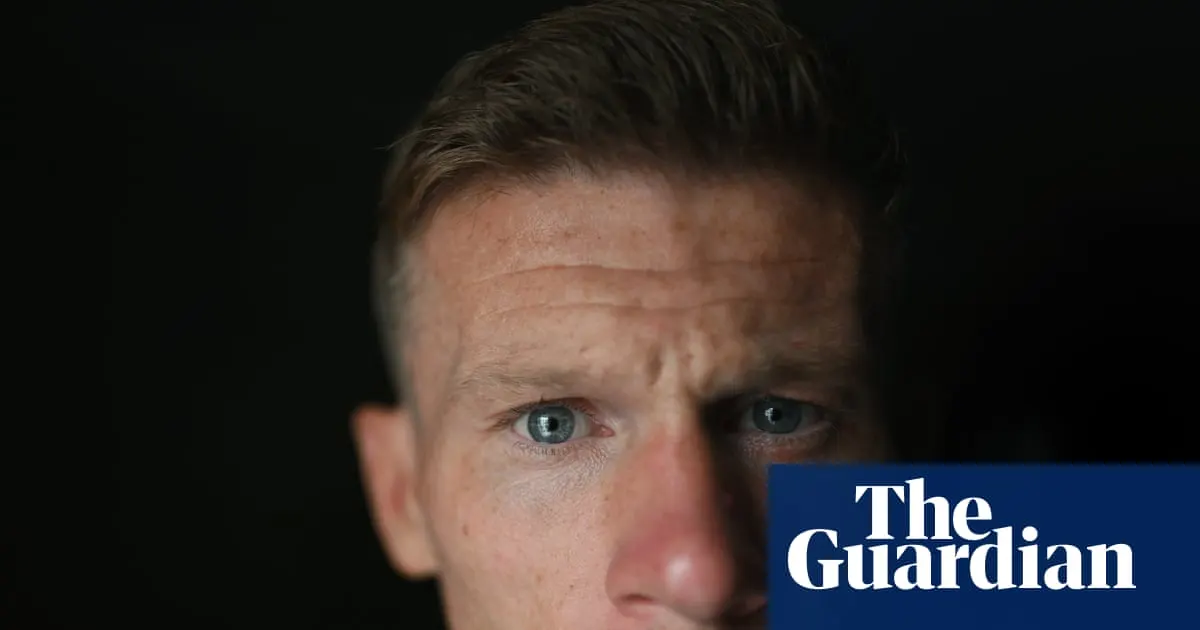
James McClean says his refusal to wear a remembrance poppy while playing in England was rooted in his upbringing in Derry, where the effects of the Troubles remained part of daily life. He says the controversy changed him, made him more withdrawn and damaged his trust in people, despite a successful football career.
McClean grew up in Creggan, an area deeply affected by Bloody Sunday, when British soldiers killed 14 unarmed civilians in 1972; six were from the estate. He says he respects those who died in the world wars but could not separate the poppy from the history of British Army killings in Ireland. The 37-year-old has won 103 caps for the Republic of Ireland, played 150 Premier League matches and made his name at Sunderland after moving there in 2011.
- McClean links his poppy stance to his upbringing in Derry.
- Bloody Sunday shaped how he understood the symbol.
- He has earned 103 Republic of Ireland caps.
New here? Start with this
The Troubles were a long period of conflict in Northern Ireland involving republican groups, loyalist groups and the British state. In 1972, British soldiers killed 14 unarmed people on Bloody Sunday in Derry; six came from Creggan, the area where James McClean grew up.
In Britain, football clubs and players often wear a remembrance poppy around November to honour people who died in war. McClean has said he respects those who died in the world wars, but that his experience of Derry’s history shaped his decision not to wear one while playing in England. He later built a career in English football and represented the Republic of Ireland.
Both sides, in good faith
The strongest fair case each way — we don't pick a winner.
The case for
McClean’s refusal can be understood as a personal response to a symbol he associates with the British Army’s role in Ireland and with violence that affected his community. Respecting those who died in the world wars need not require wearing a poppy, and asking him to do so could disregard the lived history that shapes his conscience.
The case against
For many people, the poppy honours those who died in the world wars and serves as a shared act of remembrance, rather than an endorsement of every action by the British Army. They may see wearing it as compatible with recognising the suffering in Ireland, and feel that public figures’ refusals can obscure that commemorative meaning or be read as dismissive of those being remembered.
Read the full article at the source →
Originally published by The Guardian as “James McClean: ‘Wearing the poppy was just never going to happen’”.