James Pond’s creator is not happy with the series’ allegedly AI-generated legacy collection
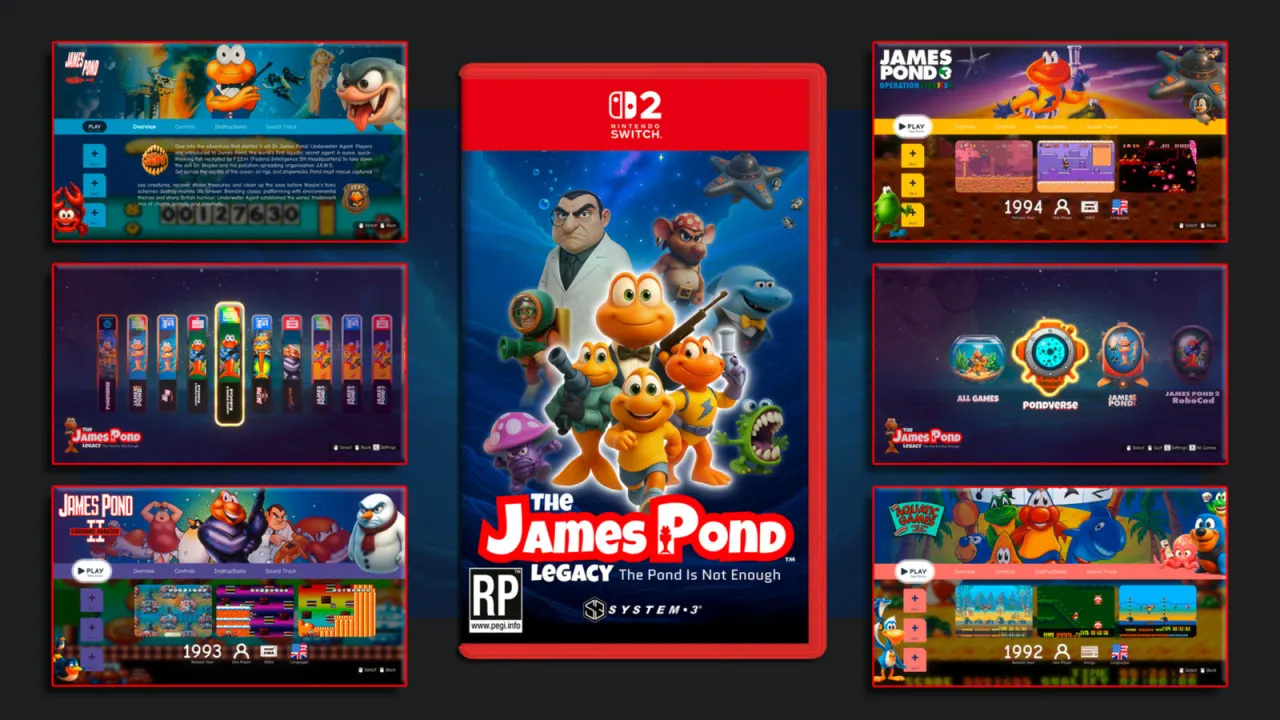
James Pond creator Chris Sorrell has criticised the forthcoming James Pond Legacy: The Pond Is Not Enough collection, saying he was neither consulted nor involved and accusing those behind it of lacking respect for the series. The dispute matters because the release has drawn widespread accusations that its new presentation uses AI-generated art, reviving concerns about how older game franchises are being repackaged.
The collection brings together four James Pond platformers originally released for the Amiga, Mega Drive, Commodore 64 and SNES. Developer System 3 says the artwork was produced through a “human-led process”, though its defence also prompted AI-use suspicions; Sorrell does not own the rights, which are shared by System 3 and Gameware Europe, so he has no control over the project. The disputed artwork appears to be limited to menus and box art rather than the original games themselves.
- James Pond’s creator condemns the allegedly AI-generated collection artwork.
- Sorrell was not consulted and holds no rights control.
- The compilation includes four early-1990s platform games.
New here? Start with this
James Pond is a series of platform games starring a fish who works as a secret agent. Its games first appeared on home computers and consoles such as the Amiga, Mega Drive, Commodore 64 and SNES, which were popular in the late 1980s and 1990s.
Chris Sorrell created the series, but he does not own its rights. Those rights are shared by System 3, which is developing the new collection, and Gameware Europe, so Sorrell has no control over how it is released.
The dispute concerns new menus and box art, which appear separate from the original games. It raises questions about how classic games are presented to new audiences and how creators are involved when others manage the rights.
Both sides, in good faith
The strongest fair case each way — we don't pick a winner.
The case for
A legacy collection can make older games accessible to new audiences, and rights holders may reasonably update menus and packaging to give a release a coherent identity. System 3 says the artwork was produced through a human-led process, and the disputed material appears limited to presentation rather than the original games. The rights holders can also argue that they are entitled to develop and market the collection despite the creator’s lack of involvement.
The case against
Sorrell’s criticism reflects a reasonable concern that a creator’s work is being repackaged without consultation or apparent respect for the series’ history. If the new artwork appears AI-generated, that can raise questions about creative care and transparency, even if it is confined to menus and packaging. A release drawing on a franchise’s legacy could be expected to involve its creator or explain clearly how its presentation was made.