Jane Fonda Slams Paramount For Calling Mark Ruffalo’s Comments ‘Antisemitic’: ‘A Smear to Delegitimize Criticism of the Merger’
Developed over time first seen 2 months ago
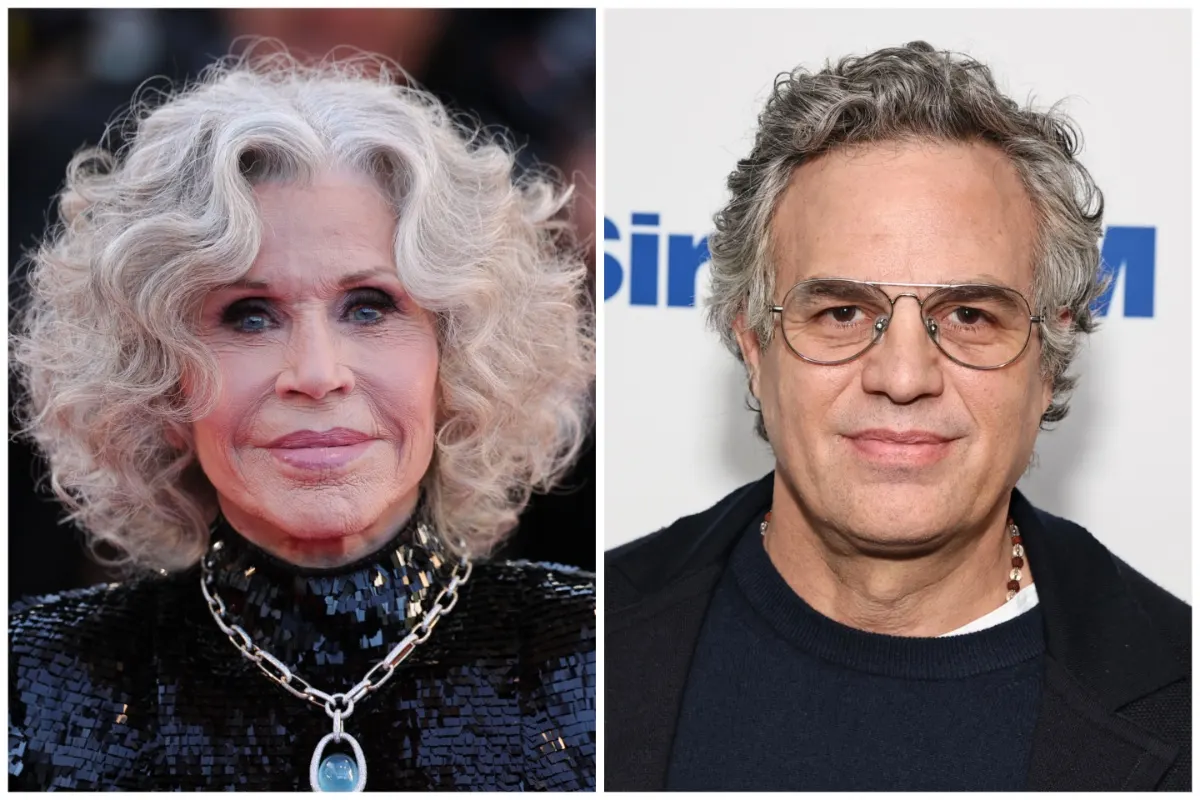
Jane Fonda defended Mark Ruffalo after Paramount described his criticism of the planned Paramount–Warner Bros. merger and the Ellison family’s ties to Israel as antisemitic. Fonda said, as a Jewish American, that accusations of antisemitism should not be used to suppress political criticism, arguing that Paramount was attempting to discredit concerns about the merger. The dispute matters because it combines debate over Israel, free expression and the potential concentration of power in film, television and news.
Ruffalo had shared footage of Paramount board member Safra Catz discussing Oracle technology supplied to the Israeli military after the 7 October attack, then criticised Oracle co-founder Larry Ellison and warned about the merger. Paramount said references to “genocide” and “apartheid” in relation to a corporate deal were inappropriate and invoked antisemitic tropes, while stating that it opposed prejudice of all kinds. Actor Hannah Einbinder also backed Ruffalo, saying his comments concerned military technology, political influence and media consolidation rather than the Ellisons’ Jewish identity.
- Fonda says Paramount mischaracterised Ruffalo’s merger criticism as antisemitic.
- Ruffalo linked Oracle’s Israel ties to concerns over media consolidation.
- Paramount said his language invoked harmful antisemitic tropes.
New here? Start with this
Jane Fonda and Mark Ruffalo are Hollywood actors known for decades of political activism. Paramount is a major film and television studio, currently pursuing a merger with Warner Bros; its chief executive is David Ellison, whose father is Larry Ellison, the billionaire co-founder of the tech firm Oracle and a significant donor to Donald Trump. Safra Catz, a senior Oracle executive, sits on Paramount's board.
Ruffalo publicly criticised the proposed merger, pointing to the Ellison family's business and political ties, including Oracle's supply of military technology to Israel and Larry Ellison's donations to Trump. Paramount responded by saying his language, which included terms such as "genocide" and "apartheid", was troubling and antisemitic, prompting other public figures, including Fonda and actor Hannah Einbinder, to defend Ruffalo and argue the criticism was aimed at corporate and political conduct rather than any ethnic or religious group.
The row matters because it touches on a proposed multibillion-dollar merger that would reshape ownership of a major entertainment and news company, and because it raises broader questions about how criticism of powerful business figures and corporate mergers can be characterised, and where the line lies between political critique and antisemitism.
Both sides, in good faith
The strongest fair case each way — we don't pick a winner.
The case for
Those defending Ruffalo and Fonda argue that criticising a specific corporate transaction, its board members' business dealings, and executives' political donations is core protected speech and legitimate journalism, not bigotry. They point out that Ruffalo's comments referenced verifiable facts — Oracle's military supply deals, Ellison's donations to Donald Trump, and a reported job offer to Netanyahu — rather than any reference to Jewish identity itself, and that terms like "oligarch" are applied across the political spectrum regardless of ethnicity. On this view, labelling such scrutiny antisemitic risks weaponising a serious charge to deflect from valid concerns about media consolidation and corporate power, a concern Fonda says she raises precisely because she takes antisemitism seriously as a Jewish American.
The case against
Those sympathetic to Paramount's position argue that language matters, especially in the current climate, and that some of the rhetoric used — casually invoking "genocide" and "apartheid" in relation to a business merger, and singling out a prominent Jewish executive's family and Israel ties for criticism of alleged excessive control — can echo long-standing antisemitic tropes about Jewish wealth and media influence, even if unintentionally. They hold that a company is entitled, and arguably responsible, to say publicly when it believes criticism has strayed from legitimate scrutiny of a deal into language that trades on stereotypes, and that raising this concern is not itself an attempt to silence debate but a good-faith objection to how that debate is being conducted.