World news and discussion on TalkFuse.
Jensen Huang case exposes weaknesses in Trump administration’s China policy
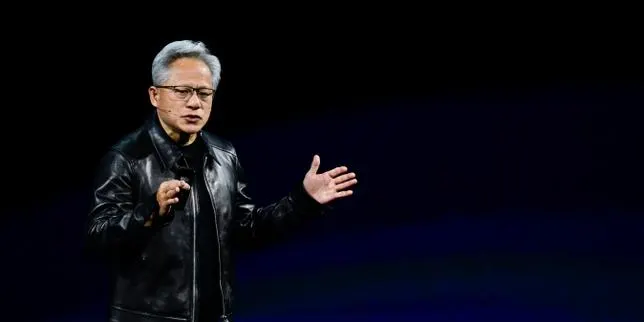
Jensen Huang has said he would consider returning as Nvidia chief executive after resigning on 12 November, but the company’s board has rejected reinstating him. The case has exposed divisions in the Trump administration over whether to restrict China’s access to advanced US technology or continue commercial ties, and raised questions about how consistently national security rules have been applied.
The dispute centres on Huang’s relationships with a colleague and Alice Huang, a Chinese businesswoman suspected by US officials of espionage; the article says there is no definitive public answer about that allegation or what Huang knew. Nvidia is accused of supplying $4.8 billion in equipment to Megaspeed, whose data centres were used to train Chinese companies’ AI models, potentially bypassing chip restrictions. The administration has now barred foreign data centres from training Chinese models, while the Justice Department and Securities and Exchange Commission investigate; Huang is due to appear before congressional committees in early December.
In short
- Nvidia’s board has rejected Huang’s bid to return as chief executive.
- His case highlights competing China strategies inside Trump’s administration.
- US agencies are investigating Nvidia’s chip sales and export controls.
Steelman: both sides, in good faith
The strongest fair case each way — we don't pick a winner.
The case for
A strong case for tighter restrictions is that advanced chips and computing capacity can strengthen China’s military and strategic capabilities, including through indirect access via overseas data centres. If Nvidia’s equipment reached Chinese AI developers despite export controls, that would suggest the rules need clearer enforcement and scrutiny, particularly where national security is at stake.
The case against
A strong case for preserving commercial ties is that broad restrictions can harm US firms, weaken their global competitiveness and encourage customers to turn to other suppliers. Carefully targeted controls, applied consistently and on the basis of evidence, may protect security while retaining commercial influence; investigations should establish what happened and what executives knew before responsibility is assigned.
Explained simply
Nvidia is a US company that designs advanced computer chips used to train artificial intelligence systems. Its chief executive, Jensen Huang, has a prominent role in the debate over whether US firms should keep selling technology to China or face tighter limits.
The US government has restricted exports of some advanced chips to China, citing national security concerns. Officials also suspect Alice Huang, a Chinese businesswoman linked to the dispute, of espionage, but the allegation has not been definitively established in public.
The case raises questions about how export controls are enforced and whether US companies can maintain business ties with China without helping Chinese organisations gain access to restricted technology. It also highlights differences within the administration over how to balance security concerns with commercial interests.
Asia Government Politics World