World news and discussion on TalkFuse.
Jensen Huang to face congressional inquiry over restricted AI chip sales
Developed over time first seen 23 hours ago
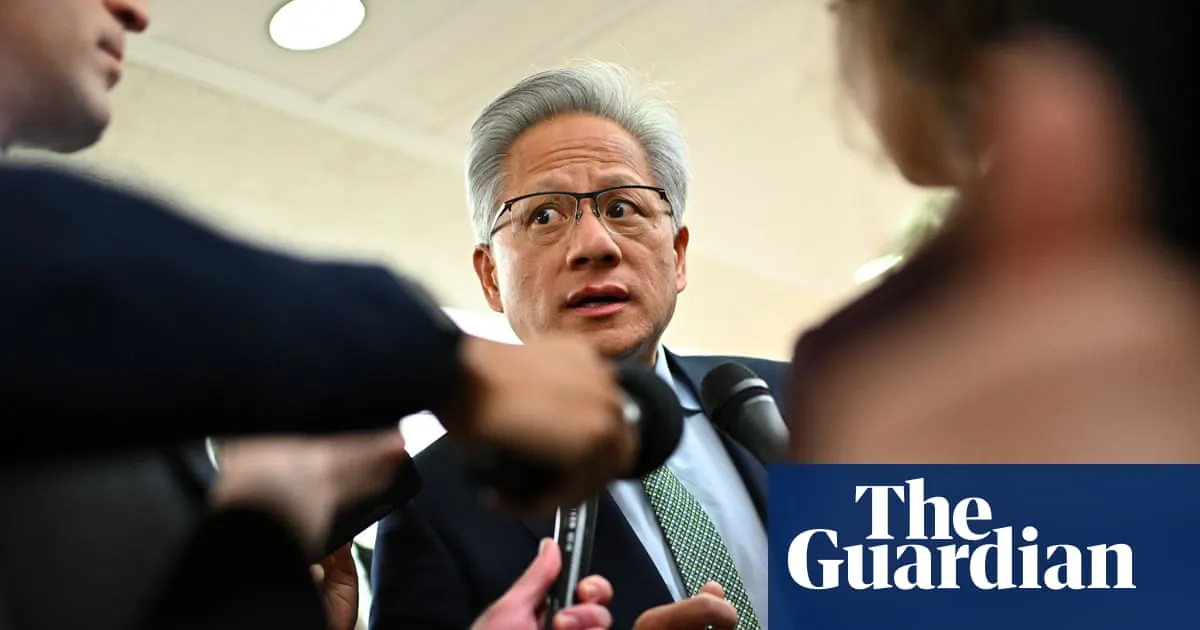
Former Nvidia chief executive Jensen Huang will testify before three US House committees on 1 December as they investigate whether advanced Nvidia chips reached restricted destinations and whether the company was involved in a national security breach. The inquiry also concerns allegations involving a suspected Chinese intelligence asset, which Huang has denied or has not been reported here as substantiated.
Nvidia general counsel Tim Teter is scheduled for a closed-door interview on 2 December, after committee chairs warned Huang he could be subpoenaed. US export controls bar sales of advanced AI chips to China; Singapore-based Megaspeed International, whose former executive director was Alice Huang, reportedly facilitated about $12bn in chip sales, and Malaysia is investigating possible diversion. Jensen Huang resigned after allegations of relationships with Alice Huang and two Nvidia employees surfaced, but has said he would consider returning as CEO.
- Sources
- 3
- Outlets
- 3
- Left · Centre · Right
- 3 · 0 · 0
In short
- Huang will testify to US House committees on 1 December.
- The inquiry focuses on chip exports and a possible security breach.
- Nvidia’s former CEO says he would consider returning.
How this story developed
- 13 hours ago Huang has agreed to appear on 1 December after committee chairs warned they could subpoena him; Nvidia general counsel Tim Teter is scheduled for a closed-door interview the following day.
- 20 hours ago The inquiry now also centres on suspected Chinese intelligence links, while supporters including Elon Musk and Donald Trump have backed Huang’s possible return as chief executive after his resignation.
- 20 hours ago Jensen Huang, Nvidia’s former chief executive, is due to testify to three US House committees on 1 December as they investigate whether the company’s advanced chips reached restricted destinations or were linked to a national security breach.
Steelman: both sides, in good faith
The strongest fair case each way — we don't pick a winner.
The case for
A congressional inquiry is justified because advanced AI chips could have significant military and strategic uses, and reports of possible diversion warrant scrutiny. Testimony can help establish whether export controls were followed, how Nvidia monitored sales, and whether enforcement or oversight needs strengthening to protect national security.
The case against
The inquiry should distinguish evidence of wrongdoing from allegations and avoid treating a possible diversion by intermediaries as proof that Nvidia or its leadership was responsible. Publicly pressuring executives before the facts are established could politicise the process, damage a major company, and deter legitimate trade; any conclusions should rest on evidence and fair procedures.
Explained simply
Jensen Huang is the co-founder and chief executive of Nvidia, a US company that makes advanced chips used to train and run artificial intelligence systems. These chips are also considered important to military and economic security, so the US restricts their sale to China.
US lawmakers are examining whether Nvidia chips reached destinations barred by those rules, and whether the company was involved in a possible security breach. Megaspeed International, a Singapore-based firm formerly led by Alice Huang, has been reported to have helped arrange large chip sales; Malaysian authorities are also investigating possible diversion.
The inquiry brings together questions about export controls, the movement of technology through other countries and Nvidia’s responsibilities. It also comes amid allegations involving a suspected Chinese spy and two Nvidia employees, after which Huang resigned; he has said he would be willing to return as chief executive.
Coverage · 3 sources
Bias meters
From 3 rated sources.
Asia Business Companies Cybersecurity Government Politics Technology World
Read the full article at the source →
Originally published by The Guardian as “Jensen Huang to testify before Congress on ‘potential breach of national security’”.