Jimmy Page rarely played a solo the same way twice. At Led Zeppelin’s reunion, he had a point to prove.
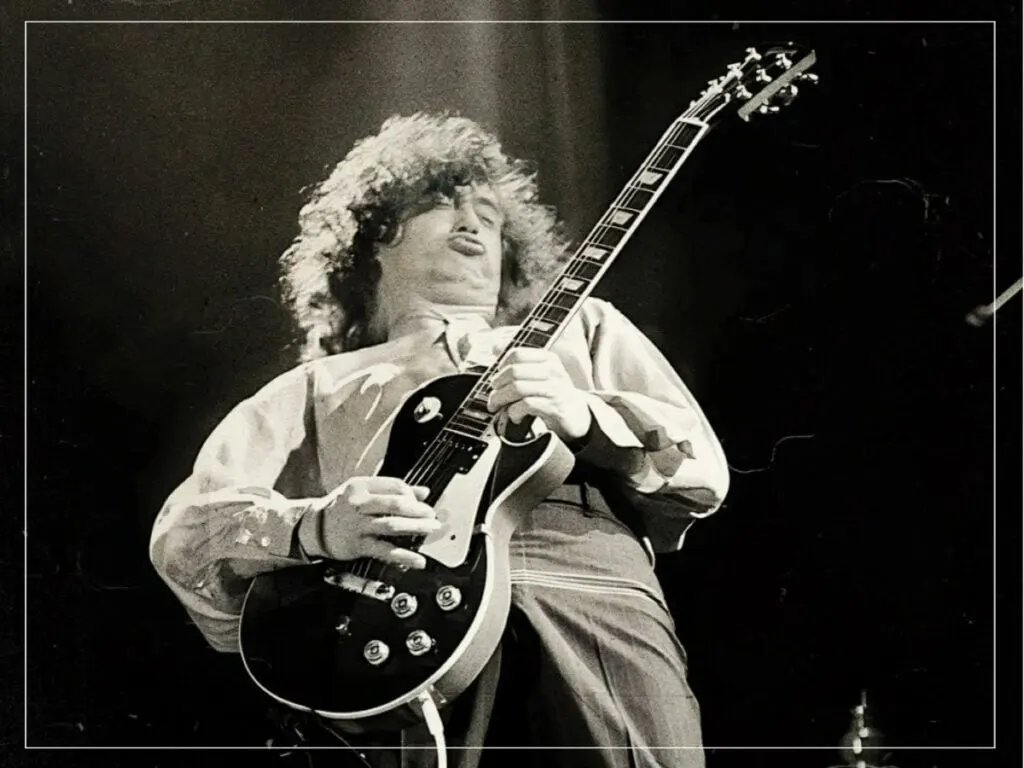
Jimmy Page built much of his reputation on changing his guitar solos in concert, a habit that some fans saw as creative and others as inconsistent. At Led Zeppelin’s 2007 reunion concert, he played the famous “Stairway to Heaven” solo almost note for note to demonstrate that he could reproduce the studio performance.
Page said he wanted to show he was capable of playing it, while still allowing room for variation. The studio solo itself came from a few attempts recorded as the tape ran, and the live performance used a different guitar: a double-neck Gibson rather than the Fender Telecaster heard on the record. Those differences meant that even a close recreation involved translating the part to another instrument and arrangement.
In short
- Page usually changed his solos in concert.
- He closely recreated “Stairway to Heaven” at the 2007 reunion.
- He said he wanted to prove he could play it.
Steelman: both sides, in good faith
The strongest fair case each way — we don't pick a winner.
The case for
A close recreation showed that Page could deliver the carefully crafted studio solo on demand, answering listeners who regarded his changing live versions as inconsistency. For a landmark reunion, fidelity to a familiar recording could also honour the song and give the audience the performance they expected.
The case against
The freedom to reshape solos was part of Page’s live musicianship, allowing performance to respond to the moment rather than reproduce a record. Treating close imitation as proof of competence risks undervaluing that creativity, especially when the studio solo itself emerged through experimentation and the live version had to be adapted for a different guitar.