Joan Baez’s five favourite protest songs
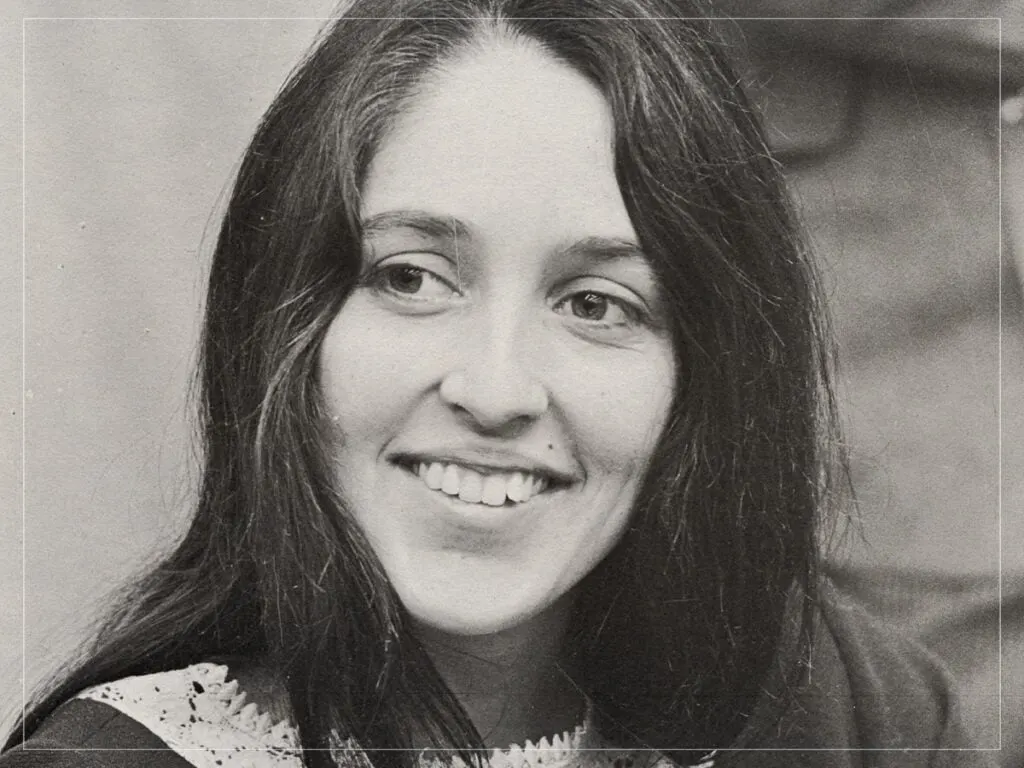
Folk music legend Joan Baez has shared her selection of five favourite protest songs, demonstrating her enduring belief that music is a powerful tool for social and political change. Her choices reflect her influential role during the 1960s Greenwich Village folk revival, a period she shaped alongside Bob Dylan and other key figures of the era. The songs she has chosen span generations and styles, from traditional folk anthems to modern compositions, all united by their capacity to inspire and mobilise listeners.
Baez's selections include "We Shall Overcome", which she describes as "probably the greatest protest song ever written", Bob Dylan's "Blowin' in the Wind" (valued for its universal appeal that transcends borders and time periods), and John Lennon's "Imagine" (which she appreciates for its beauty and accessibility). In discussing her choices, Baez articulates a key principle: the most enduring protest songs are those that avoid specific historical references and instead speak to timeless human concerns. She notes that songs lose their breadth when anchored to a particular moment or place, whereas truly powerful protest music remains relevant across contexts and generations.
- Folk legend Joan Baez names her five favourite protest songs and discusses their impact.
- Her selections include "We Shall Overcome", Dylan's "Blowin' in the Wind", and Lennon's "Imagine".
- She believes the strongest protest songs transcend their era to address universal human concerns.
New here? Start with this
Protest songs are musical compositions written to express opposition to injustice, war, or political wrongdoing. They have played a significant role in social movements throughout history, helping to unite people around causes and communicate messages beyond traditional news media. These songs often endure beyond the specific events that inspired them when they address universal human concerns rather than particular moments.
Joan Baez is an American folk singer-songwriter who became prominent during the 1960s as both an activist and musician. She was a key figure in the Greenwich Village folk revival alongside artists like Bob Dylan, helping to establish folk music as the sound of major social movements, including the civil rights and anti-war campaigns. Her decades of involvement in using music for social change give her distinctive perspective on what makes protest songs effective.
As someone with firsthand experience of how protest songs function during pivotal social movements, Baez's reflections on her favourite examples offer insight into what activists believe makes music powerful for change. Her analysis of which songs endure and why can help audiences understand how music influences social and political movements.
Both sides, in good faith
The strongest fair case each way — we don't pick a winner.
The case for
Baez's argument rests on sound principle: protest songs that avoid specific historical anchors achieve greater longevity and broader appeal. By speaking to timeless human concerns about injustice rather than particular moments, such songs transcend generations, cultures, and geographical boundaries, allowing listeners across vastly different contexts to find resonance and inspiration, thereby multiplying their mobilising power.
The case against
A competing view holds that protest songs derive their greatest power from specificity and historical grounding. Songs that speak to particular injustices give authentic voice to those who lived through them and create the emotional urgency necessary for real change. Rather than diluting impact, concrete detail and historical rootedness deepen a song's resonance, allowing it to function simultaneously as immediate testimony to injustice and inspiration for future movements addressing distinct wrongs.