Science news and discussion on TalkFuse.
John Rich says Kathy Hochul is ‘running over’ NY farmers with renewable energy agenda
Developing story first seen 15 hours ago
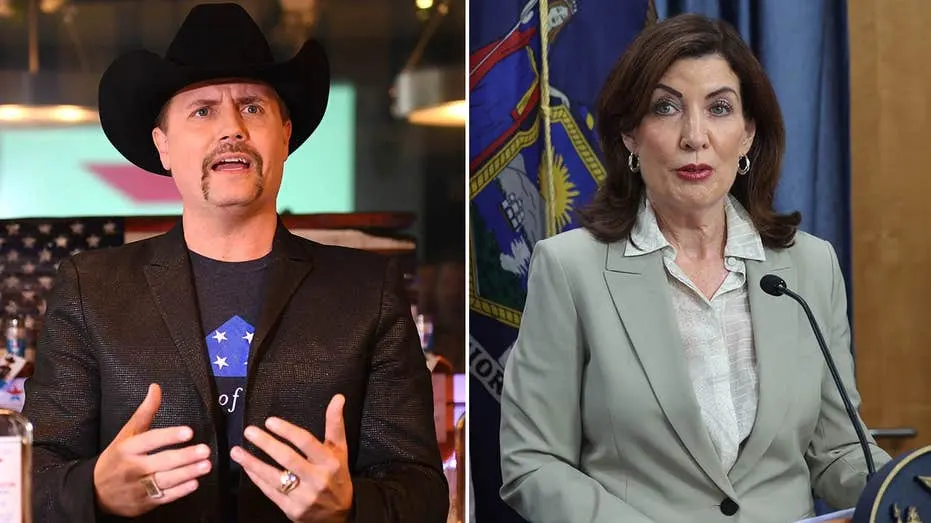
New reporting adds John Rich’s claim that planned solar projects in upstate New York could cover more than 100 square miles, and that the state changed its definition of prime farmland to ease development. Rich says Governor Kathy Hochul’s renewable energy policies override local officials and put farmers’ land and property rights at risk.
Rich, a member of country duo Big & Rich, released “Dear Kathy” last month and has joined landowners and activists challenging the state’s Office of Renewable Energy Siting (ORES). Created in 2020, ORES generally reviews renewable projects of at least 25 megawatts and can waive local zoning rules it considers unreasonably burdensome. The article reports Rich’s allegations and describes state rules that encourage developers to avoid the most productive agricultural soils or minimise impacts where farmland is used.
- Sources
- 2
- Outlets
- 2
- Left · Centre · Right
- 0 · 0 · 2
In short
- John Rich says planned solar projects could cover over 100 square miles.
- He accuses Hochul’s policies of sidelining farmers and local officials.
- ORES can waive local land-use rules for some renewable projects.
How this story developed
- 40 minutes ago Country musician John Rich has accused New York Governor Kathy Hochul’s renewable energy policies of sidelining farmers and local officials. He has joined landowners and activists challenging the state’s permitting system, saying it threatens family farms, rural communities and property rights.
- 2 hours ago New reporting adds John Rich’s claim that planned solar projects in upstate New York could cover more than 100 square miles, and that the state changed its definition of prime farmland to ease development.
Steelman: both sides, in good faith
The strongest fair case each way — we don't pick a winner.
The case for
A state-level permitting system can help New York meet clean-energy goals by making it possible to build projects at the scale and pace needed, while preventing local rules from blocking developments for reasons unrelated to their merits. Supporters may argue that consistent review protects the wider public interest and that siting decisions can weigh farmland, environmental effects and community concerns without granting any one locality a veto.
The case against
Farmers and rural residents can reasonably argue that large renewable-energy projects may displace productive farmland, alter communities and impose lasting changes on landowners who bear the local costs. They may also see state authority to waive local rules, and alleged changes to the definition of prime farmland, as weakening local accountability and property rights.
Explained simply
New York State has set targets for expanding renewable energy, including large solar projects. These projects need approval before they can be built, and the state’s Office of Renewable Energy Siting reviews many proposals of 25 megawatts or more.
The office can override some local land-use rules if it considers them unreasonably burdensome. That gives state officials a role alongside town authorities and landowners in deciding where projects go, including on or near farmland.
The debate involves how to balance renewable energy development with farming, local decision-making and property rights. John Rich, a country musician, has criticised the state’s approach; claims about the scale of planned solar developments and changes to the definition of prime farmland are his allegations.
Coverage · 2 sources
Bias meters
From 2 rated sources.
Climate Entertainment Music Science World