John Swinney doubles down on ‘misleading’ Scots pension claims
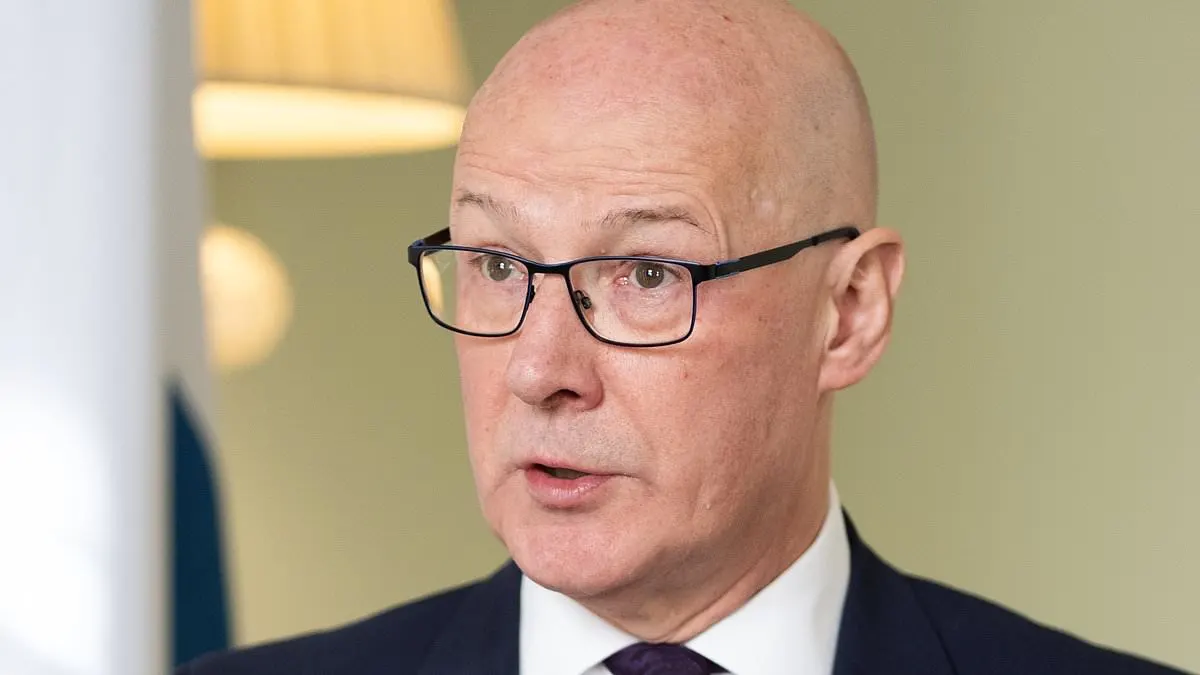
John Swinney, Scotland's First Minister, has stood by controversial claims that Scottish pensions are at risk from the removal of the triple lock, a policy that guarantees pension increases match the highest of inflation, earnings or 2.5 per cent. He faces significant criticism from opposition politicians including Scottish Conservative leader Russell Findlay and Scottish Labour, who accuse him of deliberately misleading Parliament through scaremongering language.
Swinney's independent advisers on the ministerial code concluded there was nothing to investigate, and he refuses to correct the official record. Opposition critics argue that while triple lock removal will reduce future pension growth by approximately £2,000 per year in real terms by 2050, actual pension payments remain secure. Swinney has committed to retaining the triple lock if Scotland becomes independent, but maintains his position that the reforms amount to pensions being "lost".
- Swinney maintains controversial claims that Scots lose pensions from triple lock removal.
- Independent advisers found no breach of ministerial code; opposition claims Swinney misled Parliament.
- Triple lock removal cuts pension growth by £2,000 yearly by 2050, not payments.
New here? Start with this
The Scottish government has been at the centre of a dispute over pensions following the removal of the triple lock, a policy that increases pensions automatically by whichever is highest among inflation, wage growth, or 2.5 per cent. First Minister John Swinney claims this change puts Scottish pensions at risk, but opposition politicians including Scottish Conservative leader Russell Findlay and Scottish Labour say his language mischaracterises what will actually happen.
The disagreement is about what "at risk" means. Swinney's critics say pension payments will remain secure but grow more slowly, reduced by approximately £2,000 per year in real terms by 2050. Swinney has described the reforms as pensions being "lost", which opponents argue is a misleading characterisation of the actual changes.
Pensions are important to millions of Scots, so the accuracy of claims about their future matters for public debate. The issue is also connected to Scottish independence, since Swinney has said Scotland would keep the triple lock if it became independent.
Both sides, in good faith
The strongest fair case each way — we don't pick a winner.
The case for
Removing the triple lock represents a material loss of pension security for Scottish pensioners, reducing their real-terms purchasing power by approximately £2,000 annually by 2050. Since the UK government created this commitment to Scottish voters, its unilateral removal without broad consultation constitutes a genuine breach of that financial guarantee, making Swinney's characterisation of pensions as lost a reasonable description of losing this protective mechanism that pensioners had relied upon.
The case against
There is a meaningful distinction between pension payments being reduced or eliminated entirely and the rate of future pension growth being reduced whilst payments continue. Using language that pensions are at risk or lost when pensioners will still receive regular payments—likely indexed to inflation—risks misleading the public about the actual security of their retirement income. Accurate communication about policy changes, even when criticising them, strengthens rather than undermines democratic discourse and public trust.