Revealed: How Burnham backtracked on his Brexit claim
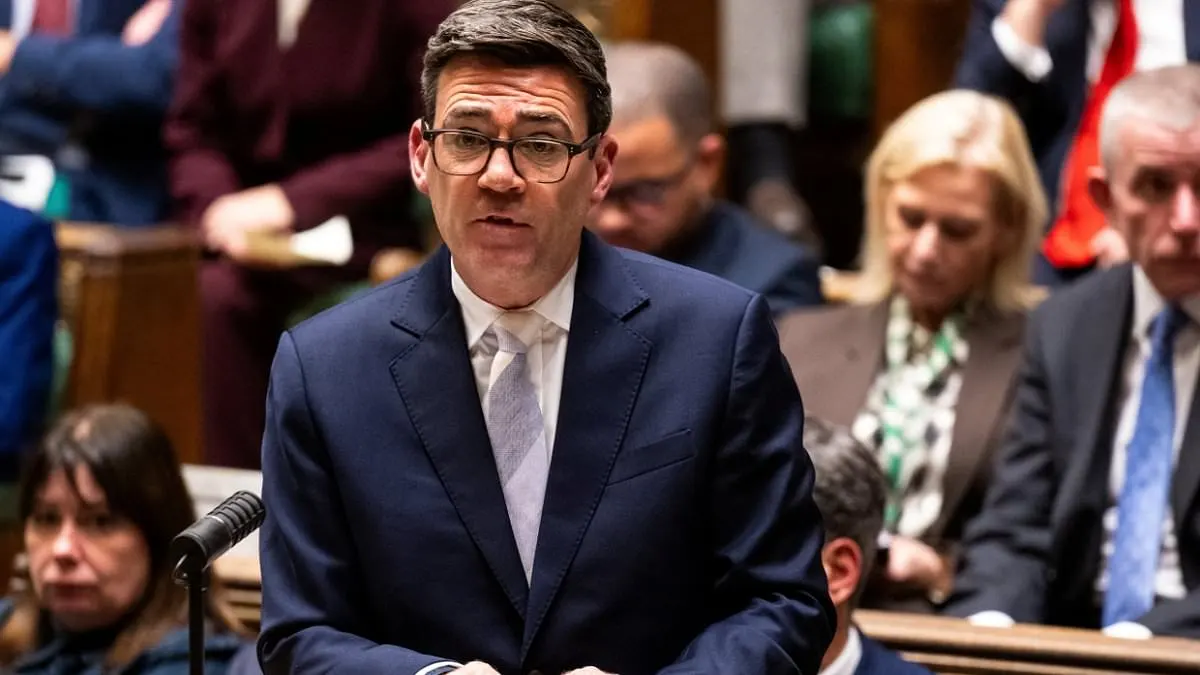
Andy Burnham said Russia had interfered in the 2016 Brexit referendum, citing an answer he said he received after becoming Prime Minister. His remarks prompted a political row because they appeared to suggest foreign interference had affected the vote’s outcome.
Burnham later told MPs he had not claimed the referendum was influenced, pointing instead to documented Russian attempts to interfere in the 2019 general election and saying it was inconceivable 2016 was the first such effort. Government ministers, the Prime Minister’s spokesman and MI5 have said there is no evidence that interference succeeded or determined the referendum result; Parliament’s Intelligence and Security Committee also found no evidence that Russian activity affected the outcome.
- Burnham’s comments about Russian interference in the 2016 referendum sparked a row.
- He told MPs he had not claimed the vote was influenced.
- Officials and an intelligence committee report found no evidence it affected the result.
New here? Start with this
Andy Burnham is the current Prime Minister of the United Kingdom. In 2016, British voters narrowly decided in a referendum to leave the European Union, a result with profound implications for the UK's politics and relationships with other nations. Russian interference in elections and referendums has become a concern for Western democracies, prompting investigations into whether foreign powers have attempted to influence democratic votes.
Government agencies and investigators including MI5, government ministers and Parliament's Intelligence and Security Committee have examined whether Russia interfered in major British votes. They have documented Russian attempts to influence the 2019 general election, but have said there is no evidence that such interference actually succeeded in determining outcomes or that the 2016 referendum was affected.
Claims about foreign interference in elections raise important questions about the security and legitimacy of democratic decisions. When senior political figures make statements about whether foreign powers influenced major referendums, it can prompt significant political debate about what evidence supports such claims and how electoral integrity is protected.
Both sides, in good faith
The strongest fair case each way — we don't pick a winner.
The case for
Burnham's initial remarks discussed Russian interference in the context of the Brexit referendum without immediately clarifying that no evidence supported any actual impact on the outcome, risking a misleading impression about the vote's legitimacy. His subsequent clarification, whilst helpful, suggests his initial framing was imprecise. The political controversy thus represented a reasonable response to statements open to problematic interpretation.
The case against
Burnham was articulating a documented factual point about Russian interference attempts as part of an established pattern of activity. His clarification distinguishing between attempted and successful interference reflects valid reasoning about two separate questions rather than a reversal of position. Characterising this as a 'backtrack' misrepresents his substantive argument about Russian conduct, which remains sound regardless of measurable impact.