Swinney urged to cancel Scottish Greens co-leader’s conference appearance
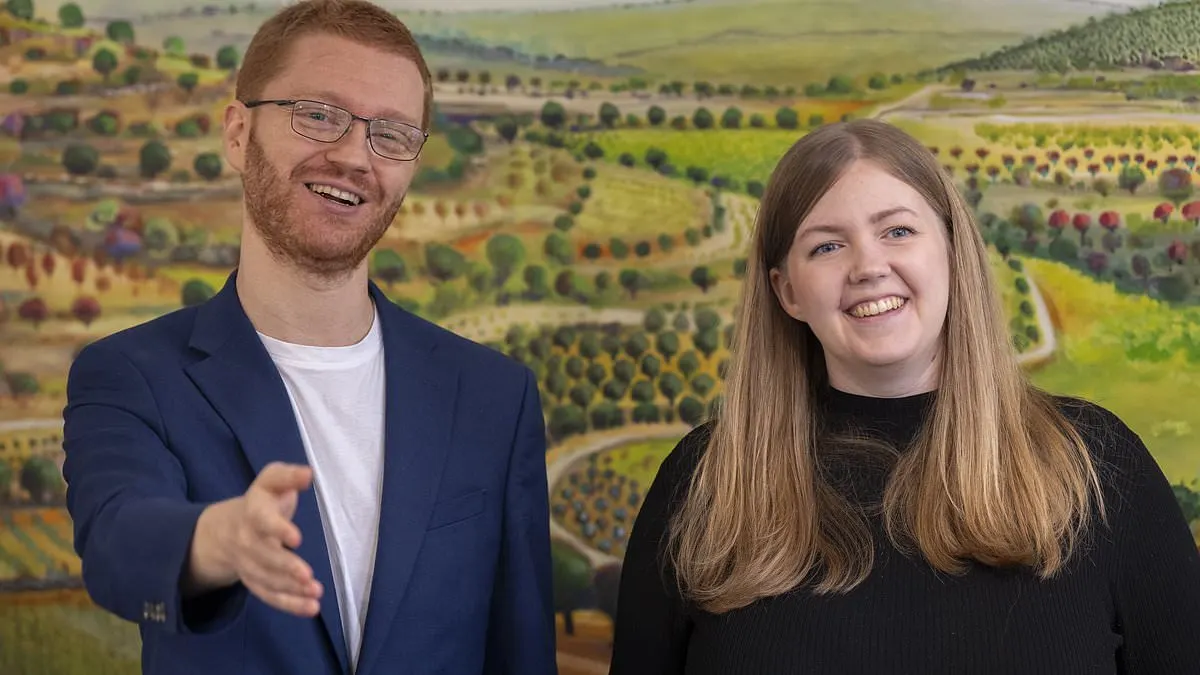
SNP leader John Swinney is facing calls to cancel Scottish Greens co-leader Gillian Mackay’s planned appearance at the SNP conference in Aberdeen and to state more firmly that the SNP rejects the Greens’ position on Zionism. The dispute matters because it has raised questions about the SNP’s relationship with the Greens and how the parties’ statements are viewed by Scotland’s Jewish community.
Scottish Greens co-leader Ross Greer backed a motion describing Zionism as racism and called Israel’s creation an act of racism; Green MSP Ariane Burgess liked an image that the Jewish Council of Scotland deemed antisemitic. Conservative leader Russell Findlay called for Mackay to be excluded, while former SNP minister Alex Neil said Swinney should explicitly distinguish support for Israel’s existence from racism, while condemning actions by Israel’s government. Swinney has said he disagrees with the Greens’ conclusions but has declined to label the party antisemitic or racist.
- Swinney faces calls to bar the Greens from the SNP conference.
- The row centres on the Greens’ position on Zionism.
- Swinney says he disagrees with the Greens’ conclusions.
New here? Start with this
A row has erupted in Scottish politics over statements made by Scottish Green Party members about Israel and Zionism. John Swinney, leader of the Scottish National Party, is being pressed by rivals to cancel an appearance at his party's conference by Gillian Mackay, a Scottish Greens co-leader, and to more clearly reject the Greens' positions on these matters.
Scottish Greens co-leader Ross Greer backed a motion describing Zionism as racism, and another Green politician, Ariane Burgess, liked a social media image that was deemed antisemitic by the Jewish Council of Scotland. These actions have sparked concern within Scotland's Jewish community about how the parties view antisemitism and Israel.
The dispute reveals tensions in the political relationship between the SNP and the Scottish Greens, who have worked together in parliament. The row also reflects broader questions about how Scottish political parties handle sensitive subjects involving antisemitism, Israel, and support for Jewish communities.
Both sides, in good faith
The strongest fair case each way — we don't pick a winner.
The case for
Those calling for action argue that when Scotland's Jewish community identifies statements as causing harm, party leaders must address those concerns seriously. They distinguish between legitimate criticism of Israeli government policy and statements questioning whether Jews deserve a homeland, and believe Swinney should make this distinction explicit. Reassuring vulnerable communities that they're respected and represented is a fundamental leadership responsibility, and affirming this need not constitute censorship but rather responsible governance of a diverse coalition.
The case against
Those opposing cancellation contend that critique of Zionism, though politically contested, represents legitimate discourse with many serious proponents, and that conflating political criticism with antisemitism risks devaluing genuine accusations of hatred. Coalition governments necessarily encompass partners with differing stances on contested matters, and withdrawing platforms based on unpopular views sets troubling precedent. The statements in question, however controversial, don't inherently express animus toward Jewish people, and demanding explicit distancing risks treating a political position as fundamentally equivalent to bigotry.
Read the full article at the source →
Originally published by Daily Mail as “John Swinney under pressure to BAN Greens from SNP conference over ‘Zionism is racism’ row”.