World news and discussion on TalkFuse.
JONATHAN BROCKLEBANK: The moral virtue of yet another long-dead giant of human endeavour is traduced. Where does this nonsense end?
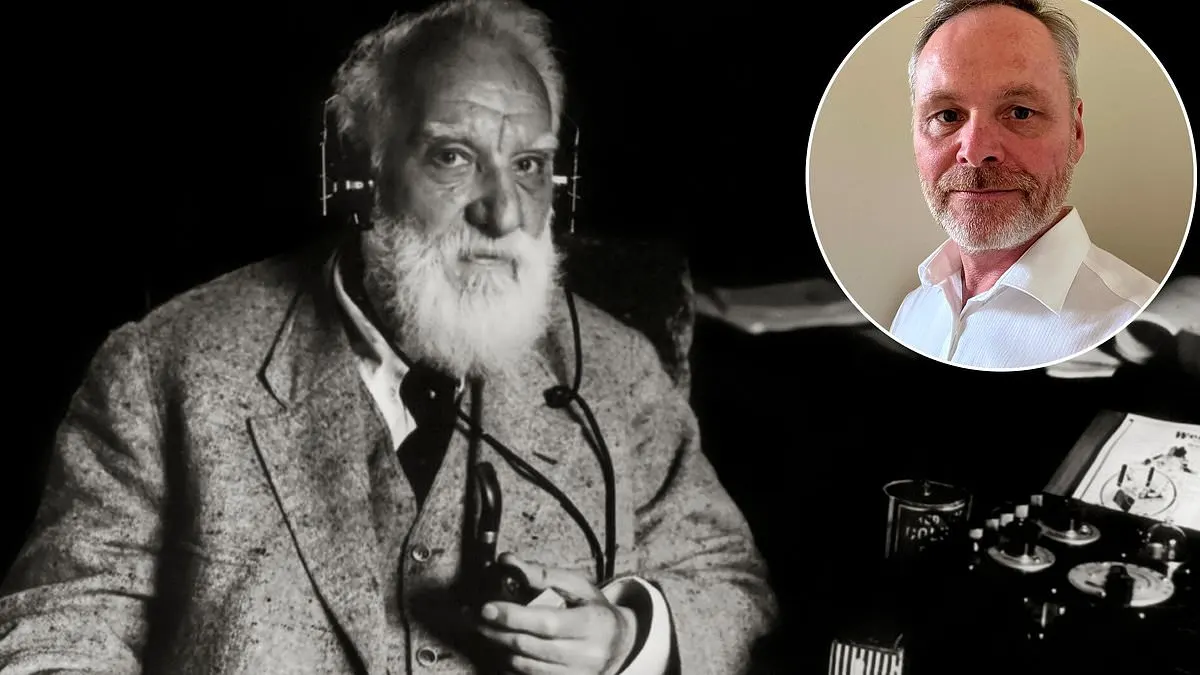
Canada has revised Alexander Graham Bell’s designation as a National Historic Person and plans to change a museum plaque in Baddeck, Nova Scotia, to reflect concerns about his views on deafness and eugenics. The article argues that reassessing historical figures this way risks overshadowing their achievements and judging them by present-day standards.
Bell made the first telephone call on 10 March 1876, and also worked on aviation, metal detection and hydrofoil boats. Parks Canada’s review cites his preference for lip-reading over sign language and his concern that deaf people marrying could pass on deafness; his great-grandchildren dispute the account, saying he signed with his deaf wife and supported deaf people choosing whom to marry.
In short
- Canada revised Bell’s historic designation over his views on deafness.
- A Baddeck museum plaque is also set to change.
- Bell’s great-grandchildren dispute the characterisation of his beliefs.
Steelman: both sides, in good faith
The strongest fair case each way — we don't pick a winner.
The case for
Revising Bell’s designation and plaque can make the public record more complete by acknowledging how his influence on deaf education and eugenics affected people, alongside his scientific achievements. A historic designation is not simply a list of inventions; updating it can reflect evidence and give visitors a fuller account of why his legacy is contested.
The case against
Changing the plaque risks allowing present-day moral judgments to overshadow Bell’s major contributions to science and engineering. His descendants dispute parts of the account, and critics may reasonably argue that institutions should preserve historical achievements while explaining troubling views in context, rather than letting those views redefine a person’s public legacy.