Jonathan Ross wants to build 16-metre barn at his luxury Grade II-listed £2million farm – but insists it is for his lawnmowers, not parties with his celebrity friends
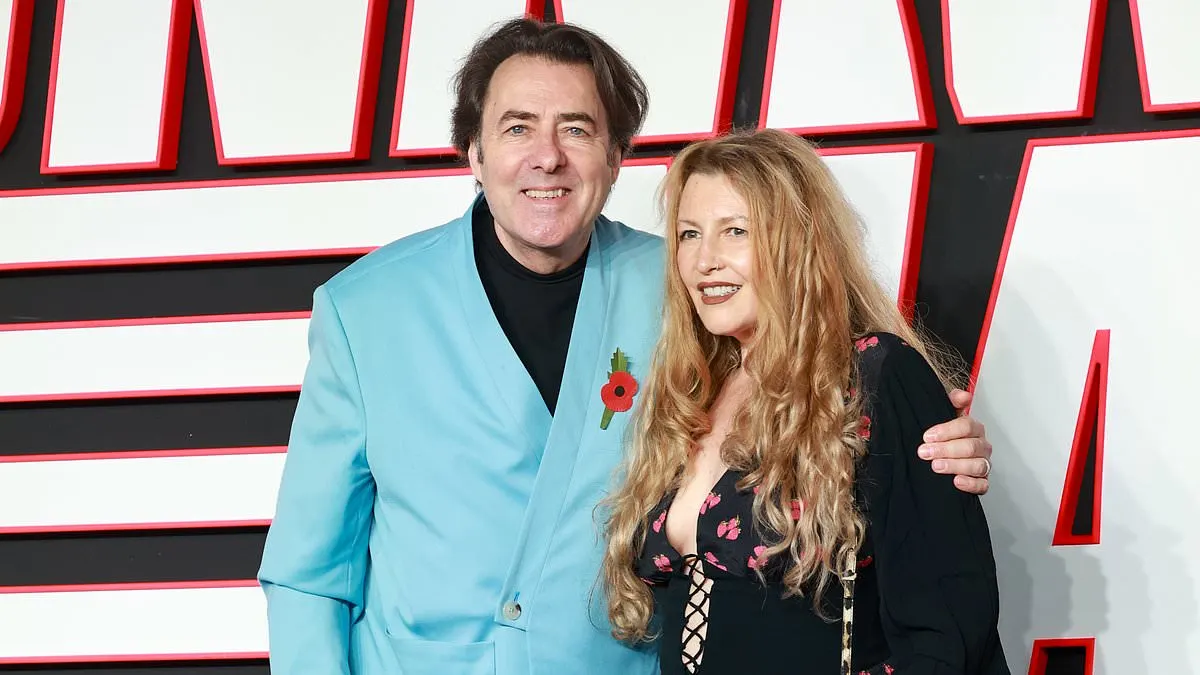
Chat show host Jonathan Ross has applied for planning permission to build a 16-metre barn at his Grade II-listed non-working farm in Swanage, Dorset. He insists the building will be used solely for storing garden machinery and maintenance equipment used to maintain his six-acre property. His application explicitly states it will not be a recreational facility, unlike similar barns created by other celebrities such as Kate Moss and Jeremy Clarkson.
The proposed outbuilding would measure 16 metres long by six metres wide, with cedar cladding, a brick plinth and traditional tiled roof, and would house tractors, maintenance equipment and a small workshop. Ross's planning application emphasises the barn would remain ancillary to the farm and not be highly visible from any public vantage point. The property already includes an orchard, stables and a 50-metre swimming pool housed in a converted cattle barn.
- Chat show host Jonathan Ross applies for planning permission for a 16-metre barn
- He insists it's for machinery storage, not parties like other celebrity barns
- The farm already features a 50-metre swimming pool and extensive facilities
New here? Start with this
Jonathan Ross is a television chat show host who owns a Grade II-listed farm in Swanage, Dorset. He has applied for planning permission to build a barn on the property. Grade II-listed buildings require formal approval for modifications because of their special architectural or historic importance.
According to his application, the barn would store garden machinery and maintenance equipment needed to upkeep his six-acre property. Ross has explicitly stated it will not be used for entertainment or recreation. This distinction appears important because other wealthy property owners have built similar structures that are used to host parties and gatherings.
The proposed structure would measure 16 metres long by six metres wide with cedar cladding and a traditional tiled roof. Ross's farm already includes stables, an orchard and a swimming pool housed in a converted barn. The new building would be positioned to remain inconspicuous from public view.
Both sides, in good faith
The strongest fair case each way — we don't pick a winner.
The case for
Property owners have legitimate rights to maintain and improve their land, and a barn for equipment storage is a functional necessity on a six-acre estate requiring regular upkeep. The proposed structure is modest in scale, designed with traditional materials respecting the listed building's character, and Ross has been transparent about its intended ancillary use. Similar structures are routinely approved on comparable properties, and there is no substantive evidence presented that contradicts his stated purpose.
The case against
Grade II-listed properties carry special protections because their historical character and setting warrant careful preservation, and new buildings—particularly of this size—risk altering that character. The headline's scepticism reflects legitimate concerns: other celebrities have repurposed similar structures for events rather than storage, making enforcement difficult. Given the property already includes extensive facilities including a converted barn housing a swimming pool, the necessity for an additional 16-metre building is questionable, and planning authorities should be cautious about incremental expansion on protected heritage sites.