Politics news and discussion on TalkFuse.
JONATHAN TURLEY: Midterms empower Democrats to target the Electoral College
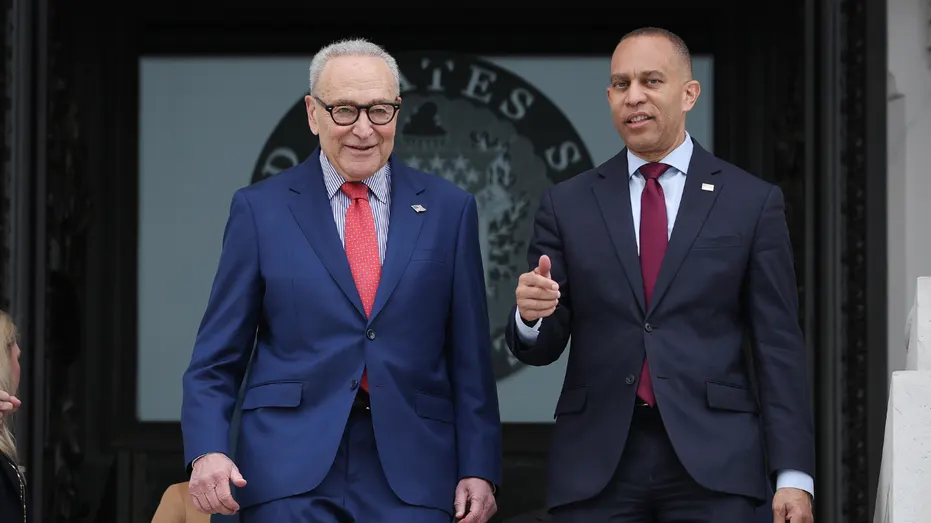
Jonathan Turley argues that Democratic gains in the midterm elections could encourage efforts to weaken or bypass the Electoral College, which he says protects smaller states and political minorities. He warns that Democrats may also pursue changes to the Senate filibuster, statehood for Washington, DC and Puerto Rico, and the size of the Supreme Court.
Turley says Democratic control of the presidency would be needed to advance these changes, and points to newly elected Democratic governors as a possible route towards states joining an interstate compact that allocates electoral votes to the national popular-vote winner. He notes that about 58% of Americans favour electing presidents by popular vote, but argues that changing the system now would reduce protections built into the Constitution. The article is an opinion piece and presents Turley’s assessment of Democratic intentions.
In short
- Turley says midterm gains could fuel efforts to change presidential elections.
- He argues the Electoral College protects smaller states and minorities.
- About 58% favour choosing presidents by popular vote.
Steelman: both sides, in good faith
The strongest fair case each way — we don't pick a winner.
The case for
Supporters of a national popular vote argue that each voter’s ballot should carry equal weight in choosing the president, regardless of state, and that the candidate with the most votes nationwide should win. They may see the interstate compact as a practical way to honour that principle while constitutional amendment remains difficult, and argue that reforms to Senate rules or representation could make government more responsive to voters.
The case against
Defenders of the Electoral College argue that it gives smaller states and geographically dispersed political minorities a meaningful role in presidential elections, and that changing it could concentrate influence in populous areas. They may also contend that major changes to election rules, Senate procedure, statehood or the Supreme Court should require broad, durable agreement rather than follow from a temporary electoral advantage.