Journalist Massacre Drama ‘Once Upon a Time in the Philippines’ Turns a Bystander Into an Accomplice at Busan Asian Project Market
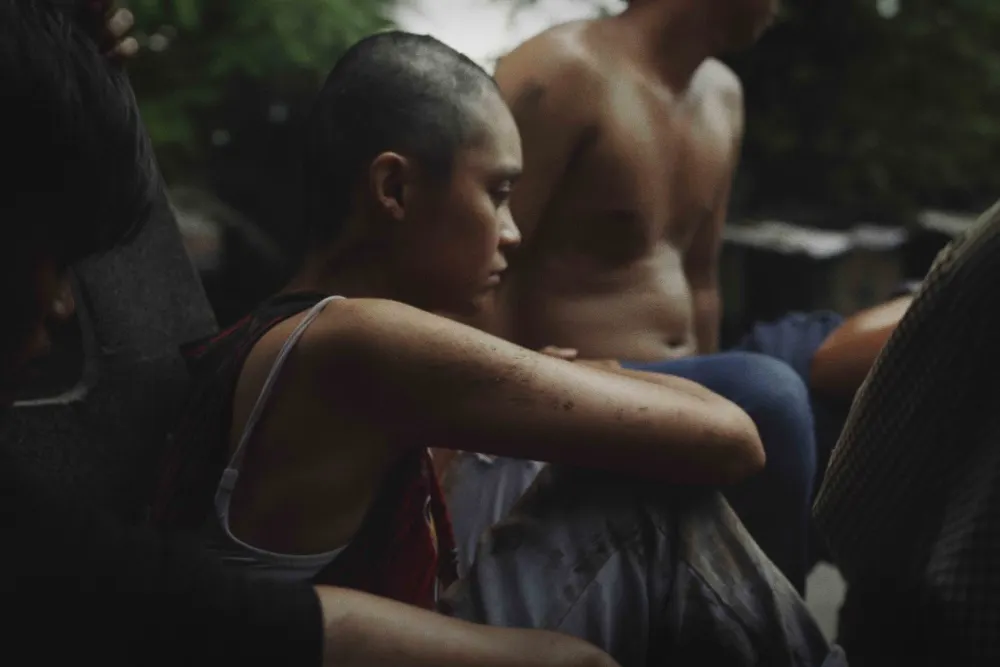
“Once Upon a Time in the Philippines”, the debut feature by E del Mundo, follows a young woman drawn into a political massacre and asks how ordinary people become complicit in violence. Inspired by the 2009 Maguindanao killings, the film uses a fictional character and setting to examine a national trauma and institutions shaped by fear and impunity.
Nineteen-year-old Sam works at a petrol station and searches for her missing boyfriend after a political clan’s private army carries out killings. The 2009 massacre claimed 58 lives, including at least 32 journalists and media workers, and is widely considered the deadliest single attack on journalists on record. The film is at Busan’s Asian Project Market as its producers seek partners to complete financing and move it into production.
- E del Mundo’s debut examines complicity in political violence.
- The story draws on the 2009 Maguindanao massacre.
- Producers are seeking final financing at Busan.
New here? Start with this
The Philippines experienced one of the world's deadliest attacks on journalists in 2009, when a private army linked to a political clan killed 58 people, including at least 32 journalists and media workers. The massacre raised urgent questions about corruption, impunity, and the political institutions that allowed such violence to occur.
A new film called "Once Upon a Time in the Philippines" examines these themes through a fictional story. The debut feature follows a 19-year-old petrol station worker named Sam, who becomes caught up in a massacre's aftermath whilst searching for her missing boyfriend, using her experience to explore how ordinary people can become complicit in political violence.
The film is currently seeking production financing at Busan's Asian Project Market, a major event for Asian cinema funding. Its makers are looking to secure partners to complete financing and enter production.