Journey’s power ballad sold 29 million copies. But is ‘Don’t Stop Believin” trash or a triumph?
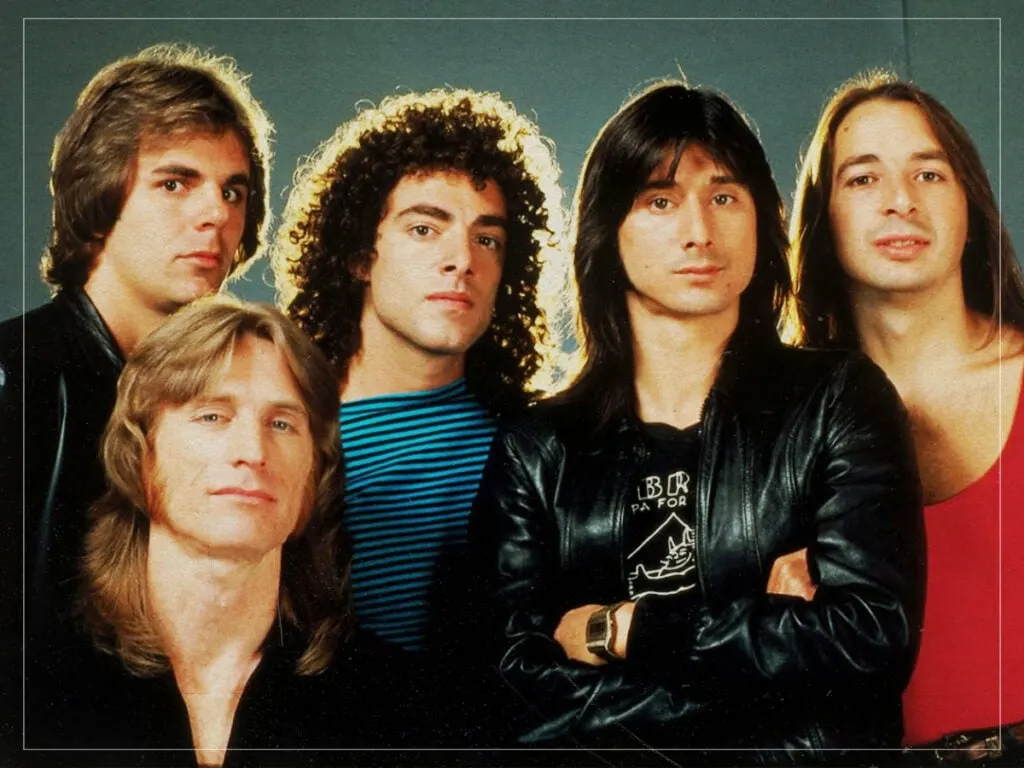
Journey’s “Don’t Stop Believin’” became the band’s defining hit after its 1981 release, achieving extraordinary commercial success and lasting cultural reach. The article argues that its ubiquity does not make it a bad song: its broad appeal and enduring message help explain why it remains popular.
The song has sold nearly 30 million copies and has returned to the charts across multiple decades, while appearing in films, television and karaoke. Its lyrics about perseverance were reportedly shaped by Jonathan Cain’s struggles as a musician, and its memorable bassline helped distinguish it from the arena rock of the period. The article suggests that listeners’ frustration stems mainly from decades of overexposure.
In short
- Journey’s 1981 hit has sold nearly 30 million copies.
- Its message of perseverance helped make it widely relatable.
- The article says overexposure, not poor quality, fuels the backlash.
Steelman: both sides, in good faith
The strongest fair case each way — we don't pick a winner.
The case for
The song’s reach reflects more than repetition: its distinctive bassline, memorable build and clear message of perseverance give listeners a strong emotional point of entry. Its continuing appeal across generations and settings suggests that its craft and directness have earned it a lasting place in popular music.
The case against
Its ubiquity can make the song feel less like a fresh expression and more like a default soundtrack, dulling the impact of its sentiment and familiar climax. Some listeners may also find its broad, uncomplicated message and arena-rock style too formulaic to merit its reputation, however sincere its origins.
Explained simply
Journey are an American rock band whose best-known songs emerged during the era of arena rock, when bands played to large audiences and built songs around big choruses. “Don’t Stop Believin’” was released in 1981, with lyrics drawing on keyboard player Jonathan Cain’s experience trying to make a career in music.
The song’s simple story of people hoping for a better future, along with its distinctive bassline and singalong chorus, helped it reach listeners well beyond the band’s original audience. Its use in films and television, and its popularity at karaoke, have kept it familiar across generations. That repeated exposure is part of why some people find it tiresome, while others continue to enjoy it.