World news and discussion on TalkFuse.
Judges must warn juries against rape myths in sexual offence trials
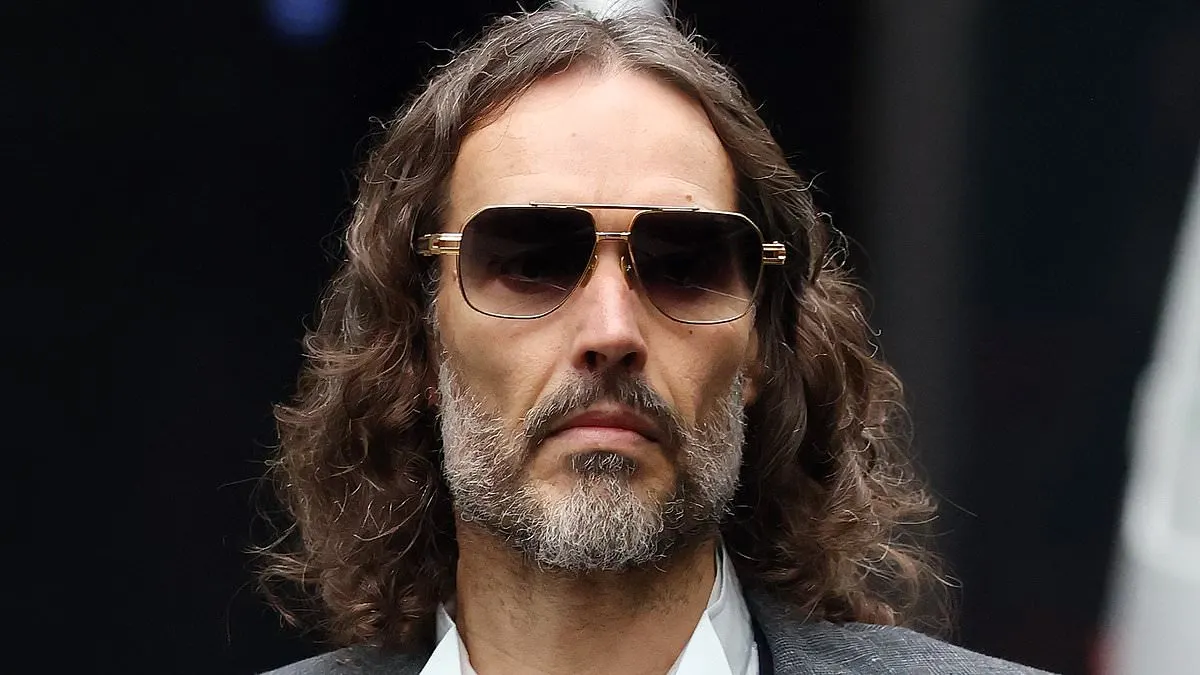
Judges have been told to always warn juries about rape myths in sexual offence trials, following Russell Brand’s conviction. The guidance aims to reduce the risk that jurors rely on stereotypes about how victims behave, and stresses that these warnings remain important even when lawyers do not explicitly raise such assumptions.
The Crown Court Compendium was amended on Tuesday. It says people respond differently to serious sexual assault, and that delayed reporting can reflect shame or shock rather than indicate a false allegation. Brand was jailed for 10 and a half years after being convicted of rape and three sexual assaults; his barrister was criticised for pointing to complainants’ lack of resistance. The guidance says warnings have helped reduce the use of myths in court, and may sometimes also assist defendants.
In short
- Judges should always address rape myths when directing juries.
- Delayed reporting does not by itself mean an allegation is false.
- The guidance was updated after Russell Brand’s conviction.
Steelman: both sides, in good faith
The strongest fair case each way — we don't pick a winner.
The case for
Supporters argue that assumptions about how genuine victims behave, such as reporting immediately, showing visible resistance or giving a neat, consistent account, persist in jurors' intuitions and can lead them to doubt credible complainants. A standing warning in every case ensures jurors are told these assumptions are not reliable evidence, whether or not counsel has raised them. They see this as equal treatment for complainants, who should not face a higher evidential bar because their response to trauma departs from a stereotype.
The case against
Critics, including some who strongly support victims, argue that a mandatory warning in every case risks directing jurors towards a particular view of the complainant, which can itself bias the trial and weaken the presumption of innocence. They contend that whether a warning is needed should rest with trial judges, who know the evidence and issues in the specific case, rather than being fixed by general guidance. They also worry that generalisations about victim behaviour may be treated as established fact rather than as matters for the jury to weigh on the evidence before them.
Explained simply
Judges in England and Wales hear sexual offence cases alongside juries, which are groups of members of the public who decide whether a defendant is guilty. Judges guide these jurors on the law and the evidence, and the Crown Court Compendium is the official handbook setting out the directions they usually give. Rape myths are widely held beliefs about how a genuine victim should behave, such as reporting an attack immediately or physically fighting back, and the guidance is designed to stop jurors from judging a case on such assumptions.
The handbook was updated this week to say that people react to serious sexual assault in very different ways. It explains that a delay in reporting can be caused by shame, shock or fear, and does not in itself suggest an allegation is false. The changes follow the case of comedian Russell Brand, who was jailed for 10 and a half years after being convicted of rape and three sexual assaults, and in which his barrister's questions about complainants not resisting drew criticism.
The guidance also says these warnings have helped reduce the use of myths in courtrooms and can sometimes benefit defendants as well. Campaigners and legal professionals have long debated how best to balance fair trials with the rights of complainants. The rules apply to judges across the courts in England and Wales, where juries decide the facts in serious criminal cases.
Read the full article at the source →
Originally published by Daily Mail as “Judges are told to always direct juries on rape myths after Russell Brand was jailed for 10 years for sex offences”.