Teenager with cerebral palsy passes seven GCSEs using eye-tracking technology
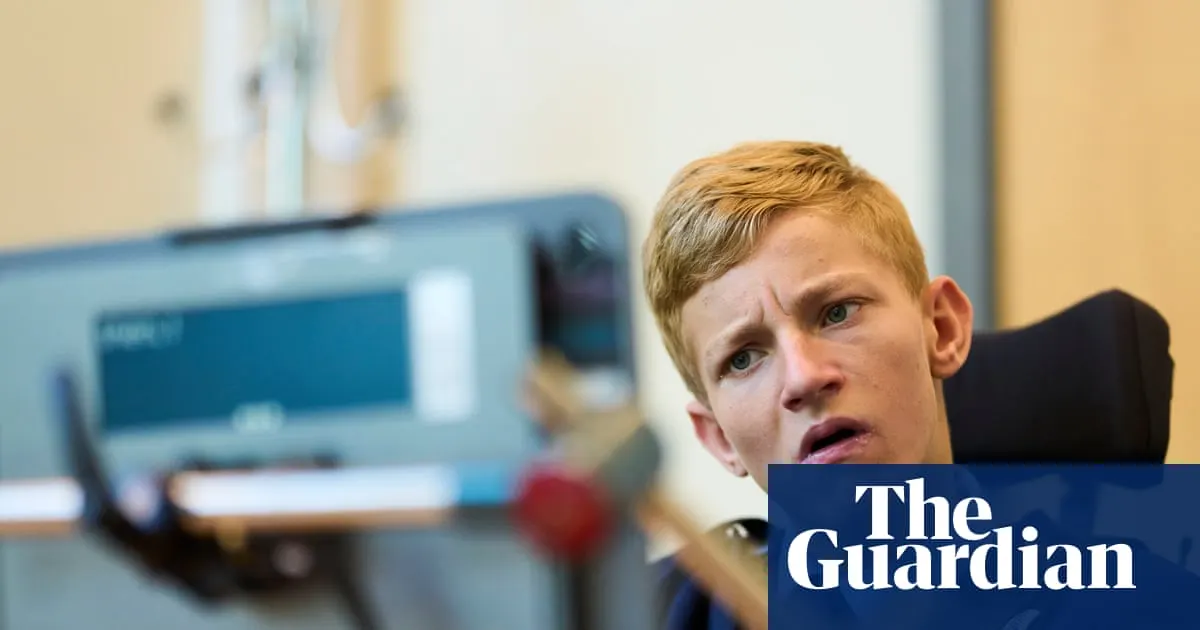
Patrick McCabe, a 16-year-old with cerebral palsy at Fallibroome Academy in Macclesfield, has passed all seven GCSEs using eye-tracking technology after an extraordinarily demanding four-month examination period. His achievement highlights both the possibilities of adaptive technology and the significant barriers that remain in making education truly accessible to students with disabilities. The case exemplifies the Labour government's ambitions for inclusive special educational needs and disabilities (SEND) education whilst revealing the practical challenges and resource gaps that threaten to undermine these reforms.
Patrick's exams ran from 2 February to 5 June, requiring him to sit examinations every morning whilst his peers completed their revision first – a disparity that left him physically and mentally exhausted. Complex questions worth 30 marks could take up to six hours to complete through the eye-tracking system, and whilst he received support from CandLE, an organisation assisting students using AAC technology, both his school and family had to battle exam boards for fair access. Headteacher Ross Martland, though supportive of inclusive reform principles, expressed serious concerns that schools lack the funding necessary to implement such changes properly, whilst Patrick himself identified communication barriers and unfamiliarity with his technology as persistent obstacles to building meaningful relationships.
- 16-year-old with cerebral palsy passes all seven GCSEs using eye-tracking technology
- Exams took four months and required six hours per complex question
- Success reveals both possibilities and serious barriers in inclusive education
New here? Start with this
Patrick McCabe is a 16-year-old student with cerebral palsy, a neurological condition that affects movement and coordination. This story concerns how eye-tracking technology—which converts eye movements into text and commands—can allow students with severe disabilities to access mainstream education. The focus is on his use of such technology to take GCSEs, the formal qualifications typically taken by sixteen-year-olds in English schools.
Eye-tracking systems require specialist equipment, trained staff, and often require negotiation with exam boards about what adjustments are permitted during formal examinations. The broader policy context is that the Labour government has committed to making special educational needs and disabilities (SEND) provision more inclusive. However, the real-world implementation of such changes remains complex and resource-intensive.
Understanding Patrick's experience matters because it illustrates both the potential and the practical reality of inclusive education. When technology and support systems work effectively, students with significant disabilities can access the same qualifications as their peers. At the same time, this case reveals persistent challenges in funding, awareness, and cooperation between schools, exam boards, and support organisations.
Read the full article at the source →
Originally published by The Guardian as “‘Just like my big brothers’: boy with cerebral palsy passes GCSEs with eye-tracking technology”.