Politics news and discussion on TalkFuse.
Justice Department warns Democratic Sen. Richard Blumenthal over probe of Trump ballroom donors
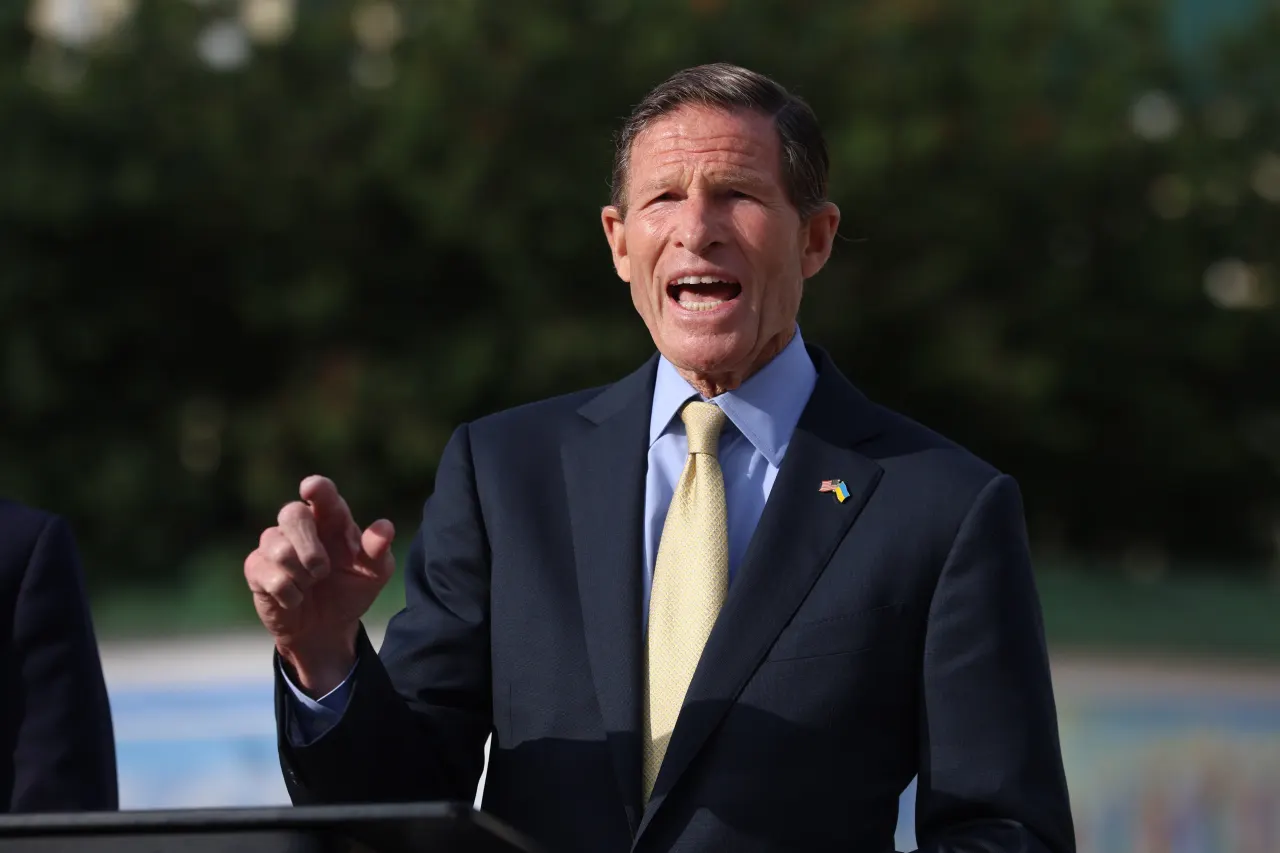
A Texas federal prosecutor has accused Democratic Senator Richard Blumenthal of intimidating people who donated to President Trump’s planned White House ballroom. The dispute centres on Blumenthal’s request for donor records as part of an inquiry into possible conflicts of interest and whether donations were linked to promises from the administration.
Blumenthal, who is due to chair a Senate investigations subcommittee from January, sent nearly 60 letters asking donors to provide records by 4 January or face subpoenas. The named recipients included Amazon, Apple, Google, Microsoft and Nvidia. Houston US Attorney Aaron Reitz said the letters threatened donors’ rights to associate freely, and acting Deputy Attorney General Trent McCotter said the Justice Department would defend those rights. Trump says the 90,000-square-foot ballroom is needed for large events and security; it is scheduled for completion by September 2028.
In short
- Prosecutor says Blumenthal’s donor inquiry risks intimidating contributors.
- Nearly 60 companies and individuals were asked for records by 4 January.
- Trump’s planned 90,000-square-foot ballroom is due to be completed in 2028.
Steelman: both sides, in good faith
The strongest fair case each way — we don't pick a winner.
The case for
Supporters of the inquiry can argue that seeking donor records is a legitimate way for Congress to examine whether large contributions create conflicts of interest or are tied to government promises. They may see the letters, with subpoenas threatened if recipients do not respond, as a routine tool for gathering evidence and ensuring accountability, especially before Blumenthal chairs the subcommittee.
The case against
Critics can argue that compelling donors to disclose records risks chilling their freedom to support political causes and associate with public figures. They may contend that the scale and tone of the requests could intimidate donors before any wrongdoing is established, and that scrutiny should be narrowly tailored to evidence of a specific conflict rather than broadly directed at contributors.
Explained simply
The White House ballroom is a planned large event space at the presidential residence. President Donald Trump says it is needed to host big gatherings and improve security; construction is scheduled to finish by September 2028.
Senator Richard Blumenthal is a Democrat who is investigating possible conflicts of interest involving donations for the project, including whether donors were offered anything by the administration. His requests for records went to nearly 60 people and companies, among them major technology firms.
The Justice Department says the requests could interfere with donors’ freedom to support causes and associate with others. The dispute matters because it raises questions about how lawmakers can investigate presidential projects while protecting donors’ rights.