Politics news and discussion on TalkFuse.
Justices Thomas and Alito slam high court for rejecting challenge to ‘implicit bias’ training for doctors
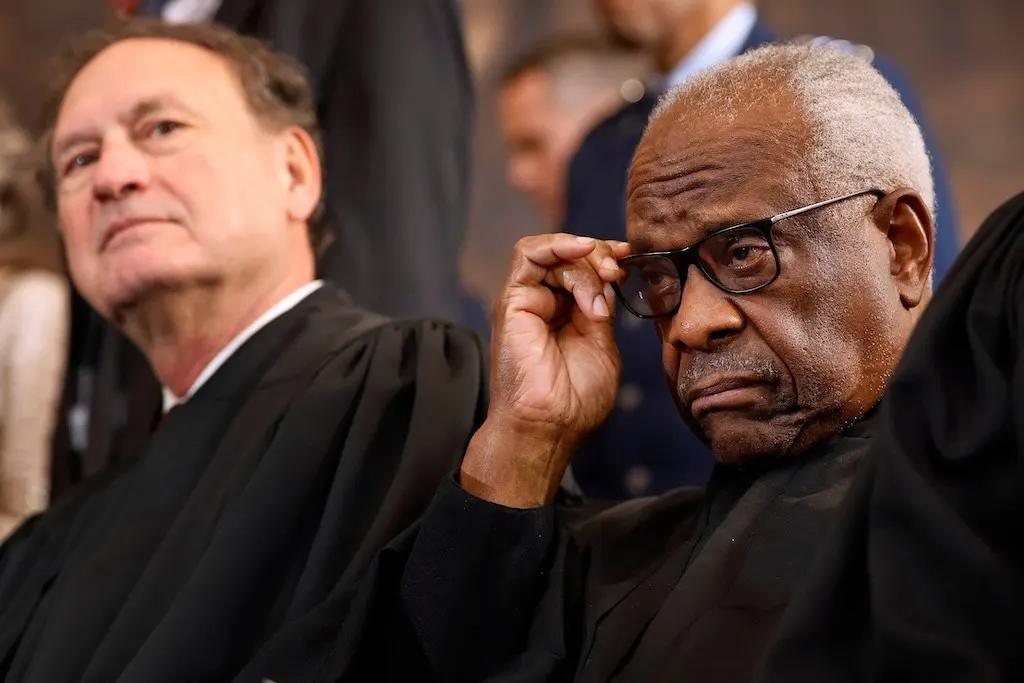
The Supreme Court declined to hear a challenge to California’s requirement that doctors complete “implicit bias training” when renewing their medical licences. Justice Clarence Thomas, joined by Justices Samuel Alito and Neil Gorsuch, dissented, arguing the court should review whether the mandate raises free-speech concerns.
The challenge, Khatibi v. Yip, was brought by two California doctors who say the training requirement compels them to accept government-approved viewpoints, contrary to the First Amendment. The court needs four justices to agree to hear a case, so the three justices’ support was not enough. Supporters say the training addresses potential bias related to race and sex; critics argue it promotes a political position.
In short
- The Supreme Court declined to hear the doctors’ challenge.
- Thomas, Alito and Gorsuch wanted the case reviewed.
- The dispute concerns free speech and California’s licence requirement.
Steelman: both sides, in good faith
The strongest fair case each way — we don't pick a winner.
The case for
Supporters can argue that doctors’ assumptions may affect how patients are treated, and that training on implicit bias is a reasonable way to encourage fairer care across race and sex. Requiring it as part of licence renewal sets a consistent professional standard in a field where patients depend on clinicians to make impartial decisions.
The case against
Critics can argue that the state should not require doctors to receive instruction that may endorse contested claims or viewpoints, particularly as a condition of keeping their licences. Even if improving care is a legitimate aim, they contend that compulsory training can cross into compelled speech and that the First Amendment warrants judicial review.
Explained simply
California requires doctors to complete training on implicit bias when renewing their medical licences. The training concerns assumptions that may affect how people are treated, including in relation to race and sex.
Two California doctors challenged the requirement, saying it makes them engage with views they disagree with and raises questions about freedom of speech under the US Constitution’s First Amendment. Supporters see the training as a way to address unequal treatment, while critics dispute its content and whether the state can require it.