Kenya detects second Ebola case in quarantine as contact tracing continues
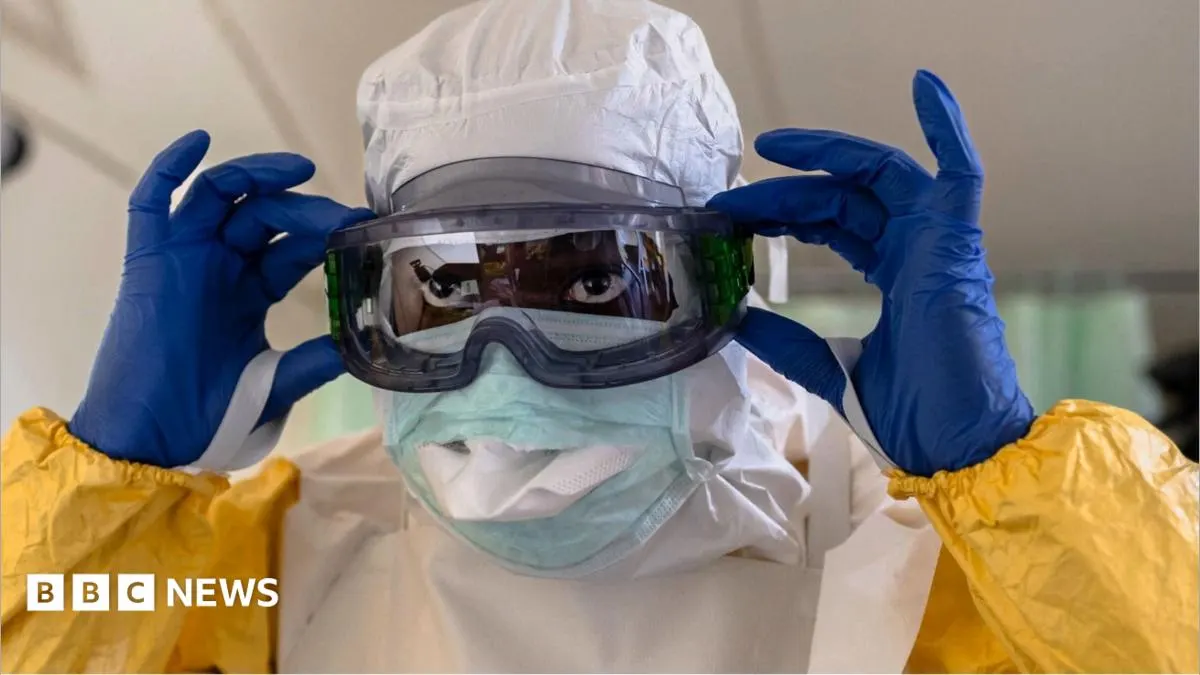
Kenya has confirmed a second Ebola case, in a 39-year-old man who is a close relative of the country’s first patient. He was already in quarantine when he became ill, and health officials say early detection improves his prospects of recovery and reduces the risk of further transmission.
The first patient, a 40-year-old businessman, died on 5 October after travelling from the Democratic Republic of Congo through Uganda to Nairobi without being identified as infected. Officials say he had contact with 128 people: 113 have been found, including 108 in quarantine in Kenya, while tracing of the remaining 15 continues. The outbreak in DR Congo is caused by the relatively rare Bundibugyo species, for which there is no approved vaccine or treatment.
- Kenya has confirmed a second Ebola case.
- The patient was quarantined before he became ill.
- Officials are still tracing contacts of the first patient.
New here? Start with this
Ebola is a serious infectious disease caused by a virus. The current outbreak began in the Democratic Republic of Congo (DR Congo), and Kenya’s first known patient was a businessman who travelled through Uganda to Nairobi before officials identified his infection.
Health officials are tracing people who had contact with him and placing some in quarantine, where they are kept apart while being monitored for symptoms. The outbreak is caused by the Bundibugyo species of Ebola; there is no approved vaccine or treatment for this species, so identifying cases early and limiting contact can help reduce the risk of further spread.
Read the full article at the source →
Originally published by BBC World as “Kenya confirms second Ebola case as relative of country’s first victim”.