Entertainment news and discussion on TalkFuse.
Kevin Feige admits “when quantity is so much, you get spread thin,” which is why there are no Marvel movies between Avengers: Doomsday and Secret Wars
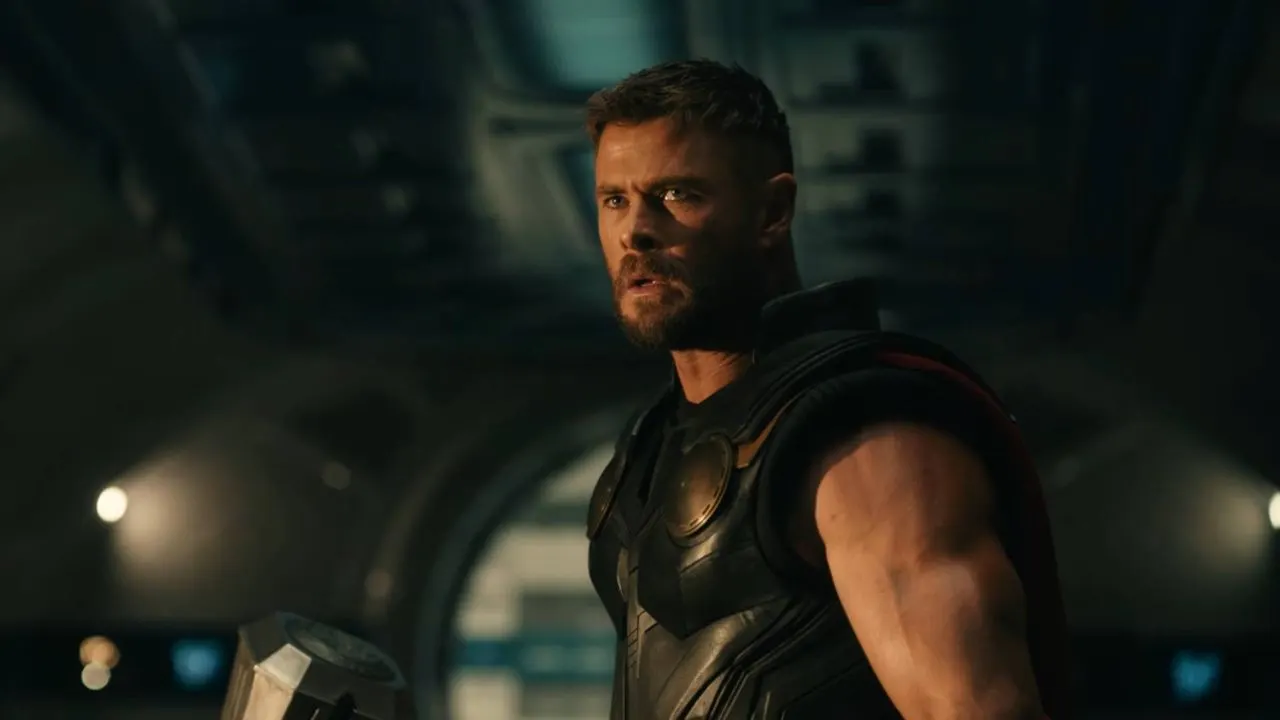
Marvel Studios president Kevin Feige has acknowledged that spreading too many films and TV shows across the Marvel Cinematic Universe left the studio "spread thin," a admission that helps explain why there is now a noticeable gap in Marvel's cinema slate, with no new films arriving between Avengers: Doomsday and Avengers: Secret Wars. The comment marks a shift in tone from Marvel's previous strategy of releasing multiple films and Disney+ series each year, towards a slower, more considered release schedule aimed at protecting quality.
Avengers: Doomsday and Avengers: Secret Wars serve as the two-part culmination of Marvel's ongoing Multiverse Saga, bringing together characters from across the MCU as well as the X-Men and Fantastic Four. By leaving space between the two blockbuster instalments rather than filling the calendar with additional spin-off projects, Feige appears to be responding to years of fan and critical feedback that the sheer volume of Marvel content during its Phase 4 and 5 output diluted audience investment and diminished the impact of individual releases.
In short
- Kevin Feige admits Marvel's high output left the studio "spread thin"
- No Marvel films will release between Doomsday and Secret Wars
- Move reflects a shift towards quality over quantity after past overproduction criticism
Steelman: both sides, in good faith
The strongest fair case each way — we don't pick a winner.
The case for
Marvel's deliberate reduction in output reflects a mature strategic decision that prioritises quality and audience engagement over sheer volume. By spacing out major releases and resisting filler content, the studio respects viewer attention and investment, allowing individual projects greater creative focus and cultural resonance. This disciplined approach ultimately strengthens the franchise's long-term health and impact.
The case against
The abundance of Marvel content met genuine audience demand for expansive storytelling across multiple formats and characters. Rather than restricting output, the studio should focus on improving individual project quality—the real issue wasn't volume itself but execution. Reducing releases risks ceding market share to competitors whilst diminishing creative opportunities and disappointing fans who valued the richness of the interconnected universe.
Explained simply
The Marvel Cinematic Universe is a collection of interconnected films and television series that share characters and storylines across multiple releases. In recent years, Marvel Studios released several new films and series each year, aiming to provide audiences with constant new content.
This rapid release schedule created significant challenges. Audiences struggled to keep up with so many interconnected stories, and many observers argued that the high volume of content was diminishing the quality of individual films and stretching the studio's resources excessively.
The concerns about releasing too much too quickly have become a major topic of discussion within the entertainment industry. Marvel Studios is now reconsidering how many projects it should develop simultaneously, moving away from a strategy of constant releases.
Avengers: Doomsday Entertainment Film