Entertainment news and discussion on TalkFuse.
King Charles accused of ‘deserting Christians’ as experts warn Prince William may abandon historic royal role
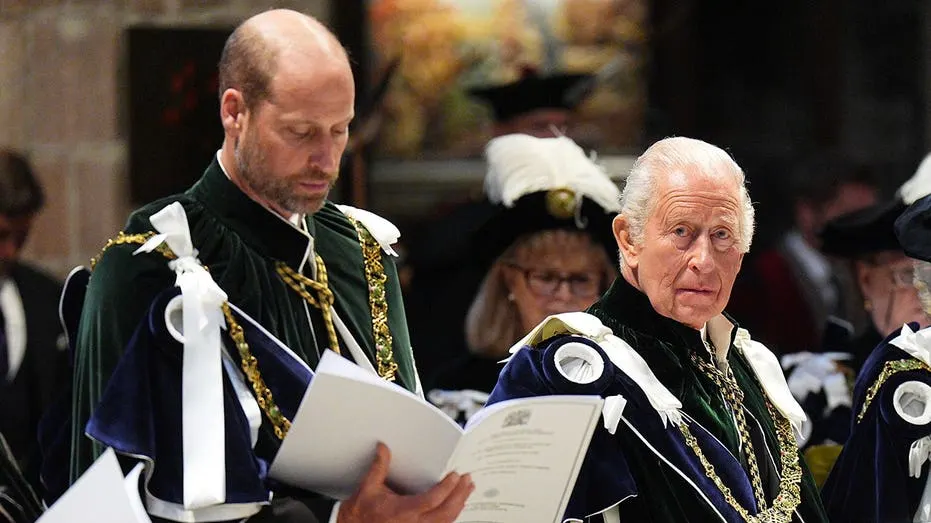
King Charles III has been criticised by Gavin Ashenden, a former chaplain to Queen Elizabeth II, who accused the monarch of "deserting Christians" and abandoning his oath as "Defender of the Faith." The criticism follows the omission of the "Defender of the Faith" title from official royal materials this year, reigniting debate over the monarch's traditional role as head of the Church of England. The controversy matters because it touches on the historic link between the Crown and the established Church, a role some experts now suggest Prince William could also step away from in future.
Ashenden, who served as chaplain to the late Queen, made the remarks in recent comments reported by Fox News, framing the change as a departure from centuries of royal tradition tying the sovereign to the defence of the Christian faith. The article notes wider commentary suggesting Prince William may further distance the monarchy from this historic religious role when he eventually becomes king, reflecting broader questions about how the Royal Family balances its ceremonial religious duties with a more diverse, secular modern Britain.
In short
- Ex-royal chaplain accuses King Charles of abandoning "Defender of the Faith" title
- Title was reportedly dropped from official materials this year
- Experts suggest Prince William may further distance monarchy from the role
Steelman: both sides, in good faith
The strongest fair case each way — we don't pick a winner.
The case for
The monarchy's role as Defender of the Faith represents centuries of constitutional tradition linking the Crown to the Church of England, a foundational pillar of British heritage. Traditionalists argue that abandoning this duty, whether by omitting the title or signalling disengagement from religious leadership, severs an ancient bond and weakens both the institution of monarchy and the spiritual identity it has long protected. They contend this role reflects genuine stewardship of Christian values, not mere ceremony, and that the Crown should honour the solemn oath that has defined it since Henry VIII.
The case against
In an increasingly secular and religiously diverse Britain, the head of state formally dedicating themselves to defending specifically the Christian faith is both anachronistic and exclusionary to citizens of other faiths and none. A contemporary monarchy should represent all subjects equally rather than privileging one religion, and modernising away from this ceremonial Christian role reflects mature, inclusive governance appropriate to the 21st century. Rather than desertion, this evolution recognises that serving all citizens faithfully in a plural society means no longer claiming a specifically religious allegiance.
Explained simply
The monarch has a historic connection to the Church of England, which is England’s established church. At the coronation, the sovereign promises to uphold the church, and the title “Defender of the Faith” has traditionally been associated with that duty.
The title dates back centuries and reflects the Crown’s role in religious life as well as national ceremonies. The Church of England remains linked to the state, though people in Britain follow many different religions or none.
Debate over the monarch’s religious duties raises questions about how the Royal Family should represent a changing society. It also concerns what role future monarchs may choose to give these traditions.