Kore-eda Hirokazu Ditched AI Notes on His ‘Sheep in the Box’ Script: ‘I’d Like to Stand on the Human Side’
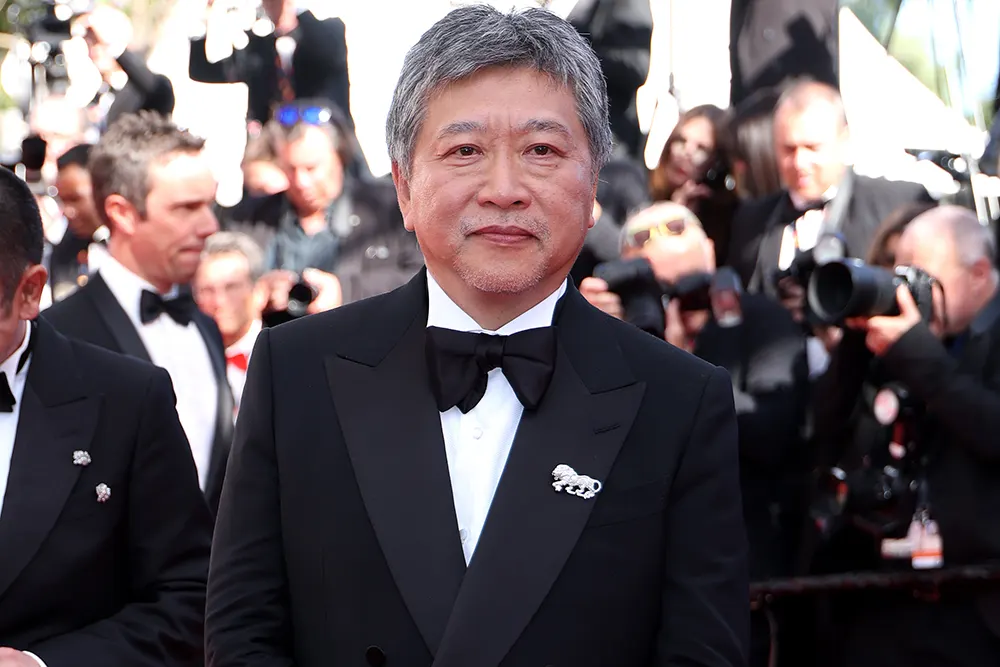
Kore-eda Hirokazu tried a generative AI chatbot’s notes on his screenplay for “Sheep in the Box”, but stopped after several exchanges. Although its suggestion to develop a character further was reasonable, he found the feedback predictable and lacking the personal experience of cinema that, in his view, helps make films distinctive.
The Cannes film follows a couple who take in a humanoid robot built from data about their son, who died aged seven. Kore-eda says he did not use AI to make the film and intends to keep it out of his creative process as much as possible, because he values the human pleasure of making things. He also discussed “Look Back”, his adaptation of a manga about friendship and grief, and said both films explore how people face the dead.
In short
- Kore-eda rejected AI screenplay notes as too predictable.
- He says personal film experiences can lead to more interesting work.
- His two recent films share a focus on facing the dead.
Steelman: both sides, in good faith
The strongest fair case each way — we don't pick a winner.
The case for
A filmmaker may reasonably choose to keep generative AI out of creative work because making art involves personal experience, judgement and the pleasure of creation, not simply producing useful suggestions. If AI feedback feels predictable or detached from lived experience of cinema, relying on it could make a script less distinctive and weaken the human perspective the filmmaker wants to express.
The case against
A filmmaker could also reasonably treat AI as an optional tool rather than a replacement for human creativity: even a predictable suggestion to develop a character may prompt useful reflection. Used selectively, AI feedback might help writers test ideas or notice gaps while leaving artistic decisions, personal experience and the final work in human hands.
AI Entertainment Film Technology