Laika’s First PG-13 Film, Brad Bird’s Neo-Noir and an Alzheimer’s Memoir: Animation’s Revolution Isn’t for Kids
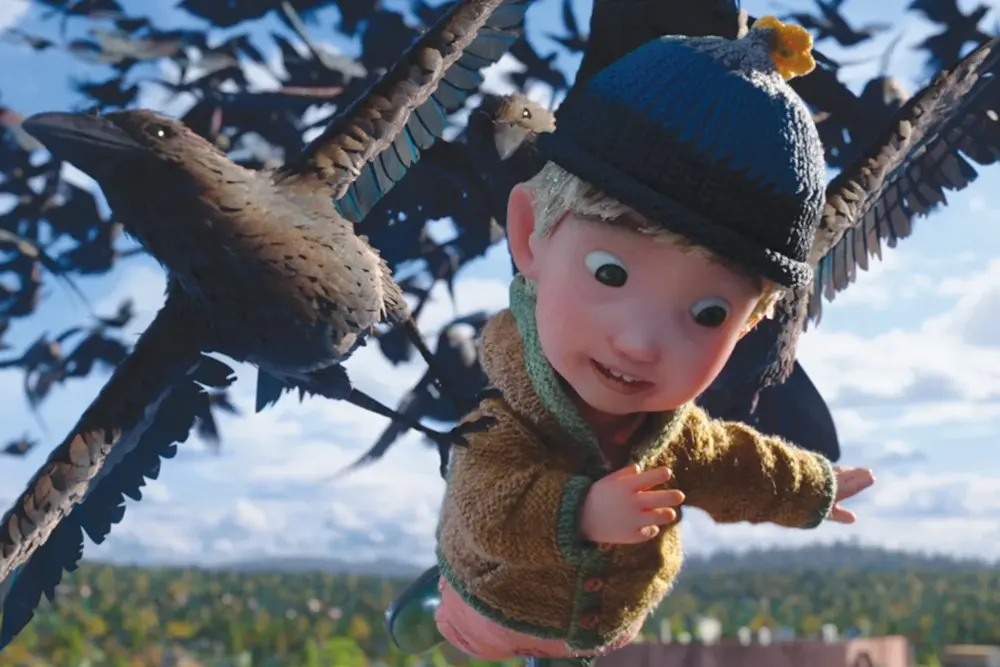
Animation’s biggest films are increasingly being made with adults in mind, challenging the idea that the medium is mainly for children. At the SCAD Film Festival, directors discussed projects with darker themes and more personal ambitions, as independent and auteur-led films continue to compete with Disney and Pixar for the animated-feature Oscar.
Laika’s “Wildwood”, directed by Travis Knight, is the studio’s first PG-13 film and runs 140 minutes, tying the record for the longest English-language animated feature. Brad Bird’s “Ray Gunn”, a sci-fi noir starring Sam Rockwell, is due on Netflix on 18 December, while Pixar’s “Hoppers” earned $46 million in its opening weekend and passed $500 million worldwide in about five weeks. The festival runs from 24 to 31 October; the article also names “Forgotten Island” and “Tangles” among the films represented at its directors’ panel.
In short
- Laika’s “Wildwood” is its first PG-13 feature.
- “Wildwood” runs 140 minutes, tying an animation record.
- Adult themes are reshaping expectations for animated films.
Steelman: both sides, in good faith
The strongest fair case each way — we don't pick a winner.
The case for
Animation made for adults can expand the medium’s artistic range, giving filmmakers room to explore darker themes, personal stories and complex forms that may not fit family-oriented conventions. Its growing prominence could also bring new audiences and help independent and auteur-led films compete for recognition alongside major studio releases.
The case against
The shift towards adult-oriented animation may narrow the medium’s broad appeal if darker themes and long runtimes crowd out films that children and families can enjoy together. With independent films also competing against established studios for attention and awards, the trend could make animation’s future feel less accessible to younger audiences and less varied in practice.