Politics news and discussion on TalkFuse.
Leasehold system set to be scrapped in England and Wales
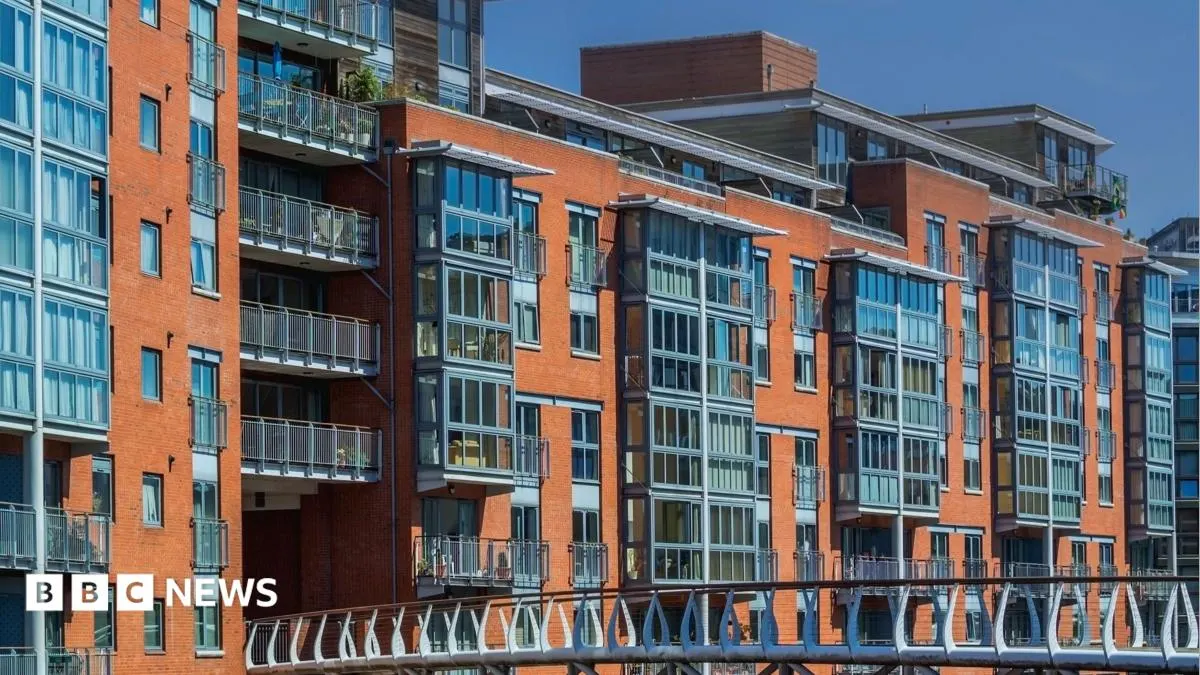
The government plans to phase out leasehold ownership for most new flats in England and Wales, replacing it with commonhold, where residents collectively own and manage their building. The proposed changes aim to address complaints about rising costs and the imbalance between leaseholders and freeholders, but they have drawn objections from property owners and questions about how existing leaseholders will benefit.
A bill due to be published on Thursday would also cap ground rents for current leaseholders at £250 a year from 2028, then reduce them to a nominal “peppercorn” rate after 40 years. The proposals still need approval from both Houses of Parliament and are not expected to become law before next year. Fozia Malik, who lives in Oldham, says her ground rent is due to rise from £150 to £300 in January, alongside annual service charges of more than £4,000; campaigners warn that converting existing buildings could be difficult and create a two-tier system.
In short
- Most new flats would move from leasehold to commonhold.
- Ground rents would be capped at £250 from 2028.
- Campaigners fear existing leaseholders could be left behind.
Steelman: both sides, in good faith
The strongest fair case each way — we don't pick a winner.
The case for
Replacing leasehold with commonhold could give flat owners more control over building management and reduce their exposure to escalating ground rents and decisions by absentee freeholders. A gradual transition, alongside a cap on existing ground rents, aims to address current unfairness while giving residents a collective stake in their homes.
The case against
Changing the system could create legal and practical difficulties, especially in older or mixed-use buildings where owners may disagree over shared costs and management. Property owners may argue that the reforms unsettle existing arrangements, while the slow transition and limits of the ground-rent cap could leave current leaseholders facing high service charges and a two-tier system for years.
Explained simply
Leasehold and commonhold are ways of owning a flat in England and Wales. With leasehold, a buyer owns the right to live in the flat for a set period, while a freeholder owns the building or land; commonhold gives flat owners a shared stake in the building and responsibility for managing it.
Leaseholders may have to pay ground rent to the freeholder and service charges for shared areas and repairs. Disputes over rising costs and who controls building decisions have led to calls for change, while property owners have raised concerns about proposals to alter the system.
Changing how new flats are owned would not automatically change ownership arrangements in existing buildings. Moving those buildings to a shared system can be complicated, so the impact on current leaseholders is a central question.