Politics news and discussion on TalkFuse.
Let’s hope DC listens to the voters’ OTHER message — and actually starts working together
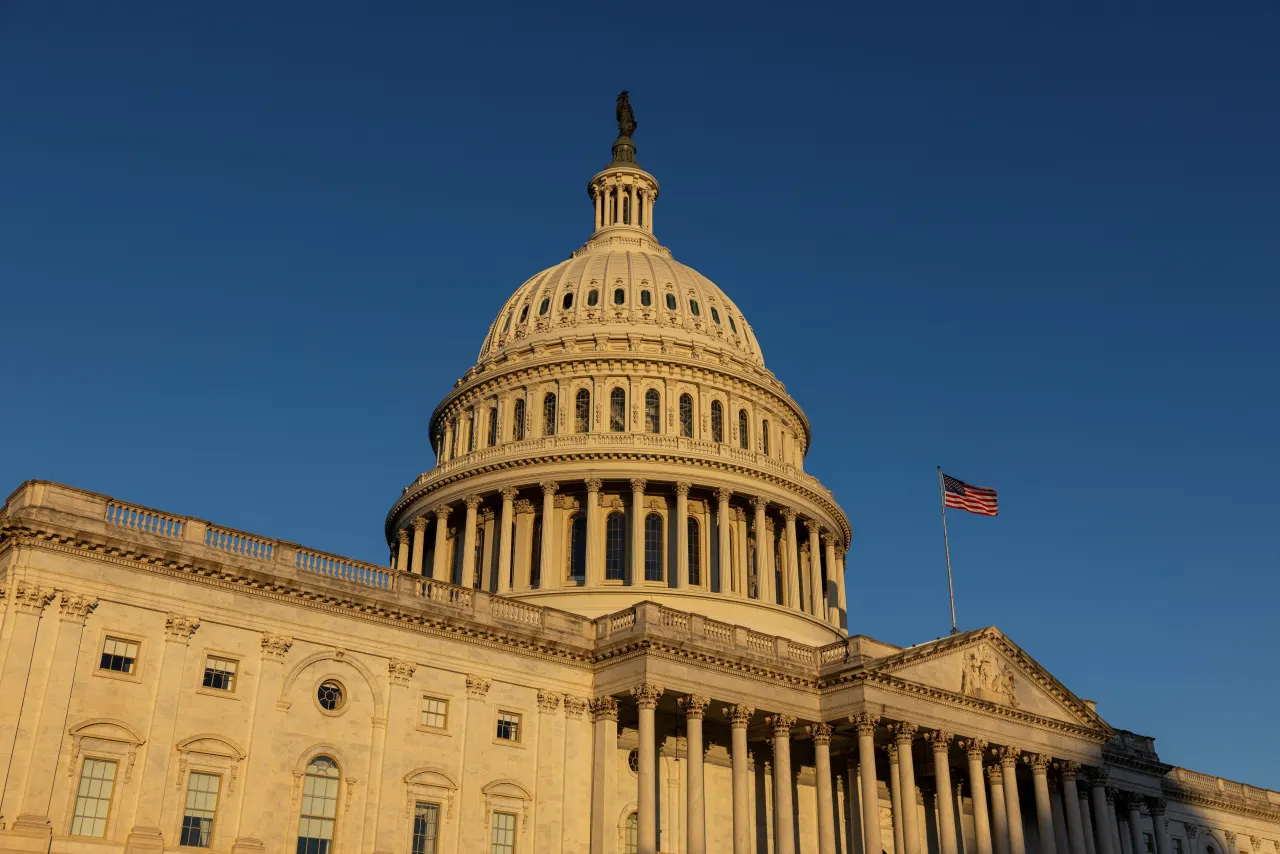
Republicans and Democrats have voiced support for working together after the midterm elections shifted power in Washington. The article argues that voters want both parties to find principled compromises, and says cooperation will be necessary for legislation to pass.
President Donald Trump cited immigration as a possible area for agreement, while incoming House Speaker Hakeem Jeffries named affordability as a priority. Senate Democratic leader Chuck Schumer said his party’s new majority should serve voters’ wishes, and senator-elect James Talarico pointed to immigration reform, housing and lower costs as areas for joint action. The article proposes passing a bipartisan permitting bill covering both renewable and fossil-fuel energy projects.
In short
- Both parties have signalled openness to cooperation after the election.
- Immigration and affordability are cited as possible areas of agreement.
- A bipartisan energy permitting bill is suggested as an early test.
Steelman: both sides, in good faith
The strongest fair case each way — we don't pick a winner.
The case for
Cooperation could help Congress address problems voters care about, such as immigration, housing and the cost of living, while giving legislation support across party lines. A bipartisan permitting bill covering both renewable and fossil-fuel projects could be a practical test of whether lawmakers can make principled compromises and deliver results.
The case against
Calls for unity do not guarantee that compromise will serve the public interest; agreements can dilute important priorities or entrench policies that deserve closer scrutiny. On issues such as energy permitting, a deal spanning renewable and fossil-fuel projects may ask lawmakers to accept trade-offs that their constituents oppose, so parties may reasonably prefer to defend clear commitments rather than compromise for its own sake.
Explained simply
The United States Congress has two chambers: the House of Representatives and the Senate. Elections can change which party controls either chamber, affecting what legislation can pass; bills generally need enough support in both, as well as the president’s approval.
Republicans and Democrats often disagree on policy, but members of both parties can negotiate changes to bills to win broader support. Immigration rules, the cost of housing and everyday expenses, and permits for energy projects are areas where lawmakers may seek agreement. Compromise can help legislation advance, though parties may differ over what changes are acceptable.