World news and discussion on TalkFuse.
Libya’s grand mufti urges boycott of Nike clothing over religious symbols
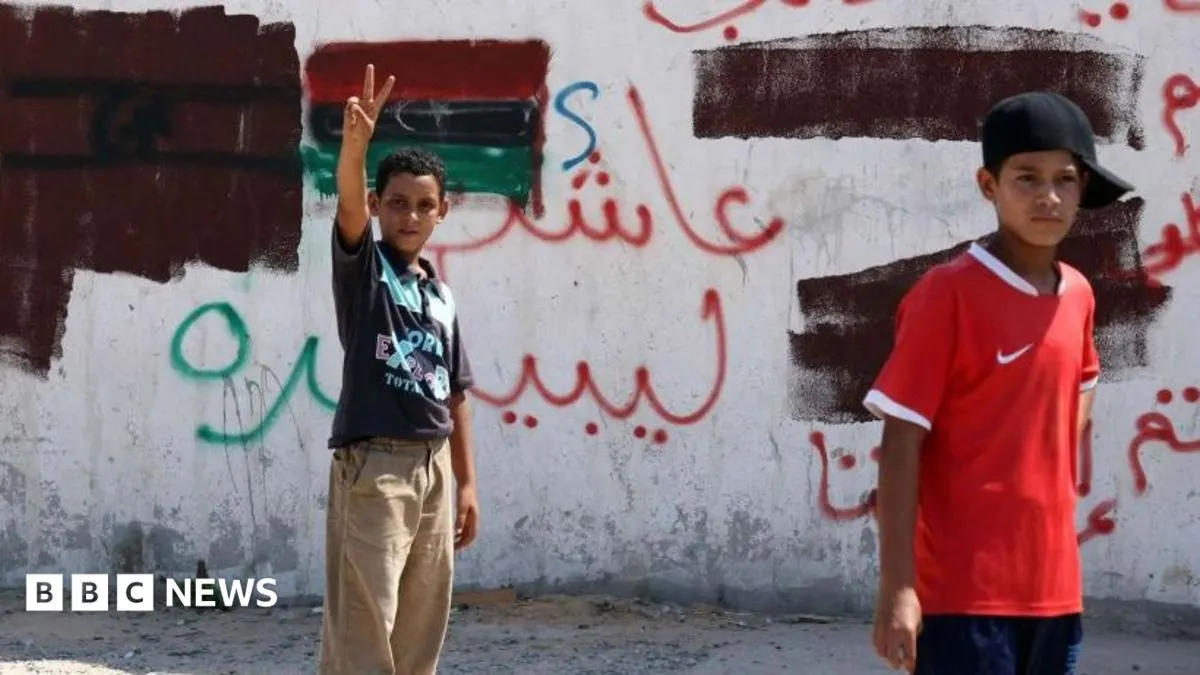
Libya’s top religious authority has issued a fatwa against buying, selling or wearing clothes bearing Nike’s logo, arguing that it promotes symbols linked to polytheism. It also accused Nike of supporting Israel and urged a boycott, adding to debate about the influence of religious conservatism in public life.
Approved by Grand Mufti Sadiq al-Gharyani, the ruling says Nike was named after the Greek goddess of victory and its swoosh was inspired by her wings. It does not create a state ban or set penalties, and Nike has no official store in Libya, though its products are sold by local retailers and counterfeit goods are common. Responses online were mixed; the Dar al-Ifta issued a similar ruling against Van Cleef & Arpels jewellery last year.
In short
- Libya’s Dar al-Ifta has ruled against Nike-branded clothing.
- The fatwa cites religious concerns and alleged support for Israel.
- It carries no stated legal penalties or government ban.
Steelman: both sides, in good faith
The strongest fair case each way — we don't pick a winner.
The case for
Supporters of the boycott may see avoiding Nike as a way to uphold religious convictions about symbols associated with worship of other deities, and to act on concerns about the company’s alleged support for Israel. A non-binding religious ruling leaves individuals free to decide, while allowing believers to express their values through their purchases.
The case against
Critics may argue that the ruling stretches religious concern to a commercial logo whose meaning many people regard as branding rather than worship, and risks narrowing personal choice in public life. They may also question whether the allegation about Nike’s support for Israel is adequately substantiated, and favour assessing the company on evidence rather than its name or symbol.
Explained simply
A fatwa is a religious ruling or opinion issued by an Islamic scholar or authority. In Libya, Sadiq al-Gharyani is the country’s grand mufti, its senior religious authority; his rulings can shape public debate but do not automatically become laws.
Nike is an international sportswear company, best known for its tick-shaped “swoosh” logo. The brand name comes from Nike, the ancient Greek goddess of victory, and the logo is commonly said to be inspired by her wings. Nike products reach Libyan shoppers through local retailers, even though the company has no official store in the country.
The ruling reflects wider debate in Libya over religious conservatism and how it should influence everyday choices. It also connects religious objections to symbols with political calls to boycott companies over their perceived ties to Israel.
Americas Business Companies World
Read the full article at the source →
Originally published by BBC World as “Libya’s top religious authority rules against wearing Nike clothes”.