Business news and discussion on TalkFuse.
Insurance options can help families manage financial shocks after death or illness
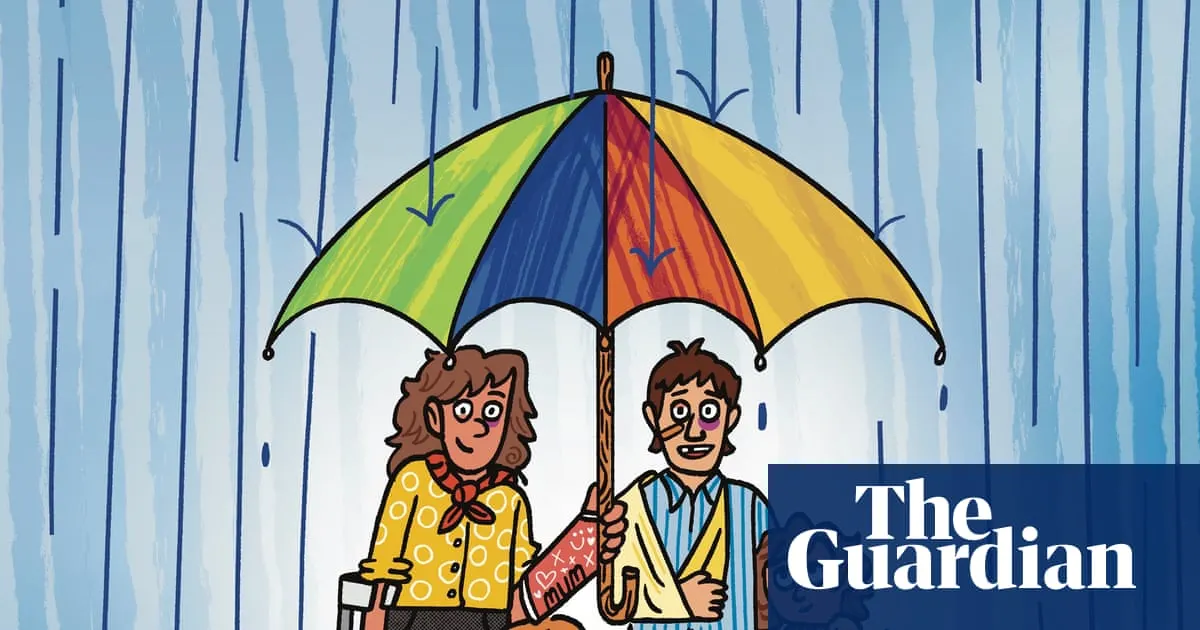
The article outlines insurance policies that can help protect individuals and families if someone dies, becomes seriously ill or cannot work. It says around 60% of UK adults have no life insurance, and argues that milestones such as having children or taking on a mortgage can make it useful to consider how a household would cope financially.
It describes whole-of-life and term life cover, decreasing term insurance for repayment mortgages, income protection, critical illness cover and family income benefit. Costs and payouts depend on the policy: term cover ends without a payment if the policyholder outlives it, while income protection premiums can be reduced by adjusting when payments start or how much and how long they pay. The article begins a case study of a couple with two young children, one main earner and limited savings, highlighting the need to weigh cover against their budget.
In short
- Around 60% of UK adults have no life insurance.
- Policies can cover death, illness or lost income.
- The right cover depends on household needs and budget.
Steelman: both sides, in good faith
The strongest fair case each way — we don't pick a winner.
The case for
Insurance can provide a household with financial support when a death, serious illness or inability to work would otherwise disrupt income or leave major costs, such as a mortgage, unmet. For families with dependants, one main earner or little in savings, choosing suitable cover can offer security and time to adjust, especially around major life changes.
The case against
Insurance premiums compete with other essential expenses, and cover may be unaffordable or poor value for some households, particularly when savings or other support could meet their needs. Policies have limits, exclusions and different payment conditions; term cover, for example, pays nothing if the policyholder outlives it, so careful comparison is needed to avoid paying for protection that does not match a family's circumstances.
Explained simply
Insurance is a contract in which a person pays regular premiums in return for a payment if specified events happen. Life insurance pays out after the policyholder dies; other policies may provide money after serious illness or loss of income. The terms determine what is covered, for how long and when a claim can be made.
Families may consider cover when they take on a mortgage or have children, especially if they rely on one person’s earnings or have limited savings. A payout can help meet household costs or debts, but policies differ and may end without a payment if the event covered does not happen during the policy term.
The people making these decisions are the policyholder and their family, alongside insurers that set the terms and premiums. The choice involves balancing the cost of cover against the financial support a household might need if someone dies, becomes seriously ill or cannot work.
Read the full article at the source →
Originally published by The Guardian as “Life insurance: do you have a safety net to protect you and your family if the worst happens?”.