World news and discussion on TalkFuse.
Lindsay Clancy prosecutor has been silent on trying her again — and there may be one surprising reason why
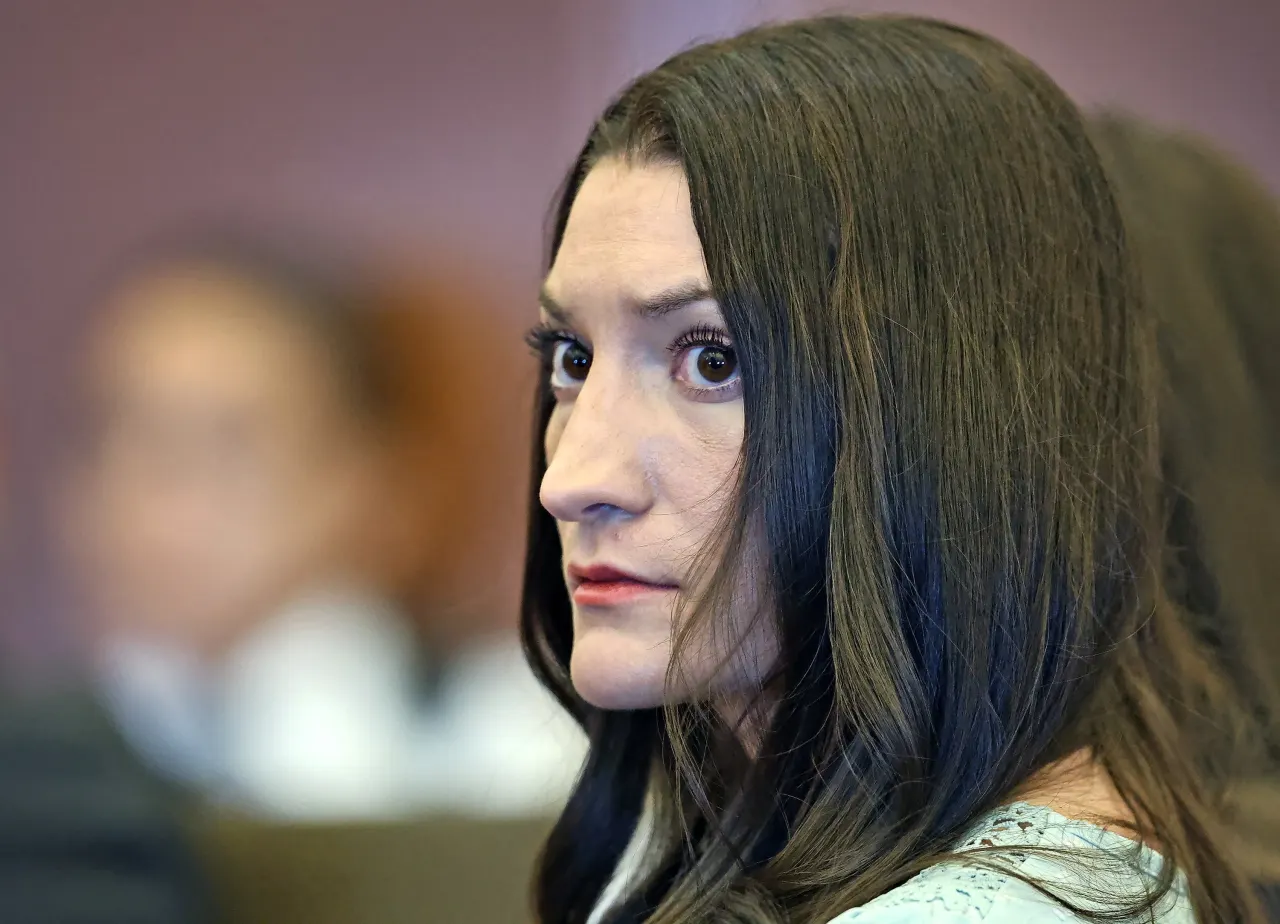
Prosecutors have not said whether they will retry Lindsay Clancy on first-degree murder charges or seek lesser charges, after her first trial ended in a deadlocked jury and a mistrial. Legal experts suggest the delay may reflect the possible effect on a related case, as well as the need to prepare for a new trial.
Clancy’s defence argued she was not guilty by reason of insanity because of severe postpartum psychosis; after the trial, several jurors said 11 of the 12 supported that argument. Prosecutors are awaiting rulings on motions, including a bid to dismiss the case over a holdout juror, while the judge has said he hopes for a retrial in March. Experts also cited preparation, consultation with the children’s father, and the prosecutor’s election as possible factors; the same prosecutor’s office handled Latarsha Sanders’ case, whose conviction was overturned after mental health evidence was excluded.
In short
- Prosecutors have yet to say whether Clancy will face a retrial or reduced charges.
- Experts say a related case may influence the decision.
- A judge hopes a retrial can begin in March.
Steelman: both sides, in good faith
The strongest fair case each way — we don't pick a winner.
The case for
Prosecutors could reasonably take time before deciding whether to retry Clancy on the original charges or pursue lesser ones. They may need to assess the deadlocked jury, await rulings on pending motions, prepare for trial and consult the children’s father; the related Sanders case may also affect how they approach mental health evidence.
The case against
The prolonged silence can reasonably prompt concern that the prosecution has not explained its intentions after a mistrial, leaving Clancy and the family without clarity about what comes next. Given that jurors reportedly split heavily in favour of the insanity defence and a related conviction was overturned over excluded mental health evidence, critics may question whether another trial on the same charges is justified before the prosecution sets out its reasoning.
Explained simply
Lindsay Clancy is a Massachusetts woman charged with murdering her three young children in 2023. She has denied criminal responsibility, arguing that severe postpartum psychosis left her legally insane at the time; prosecutors say the case should be decided by a jury.
A mistrial means the first trial ended without a verdict, so the charges remain unresolved. The jury was divided over the insanity defence, and the judge must rule on outstanding legal motions before the case can move forward.
The decision matters to Clancy, her family and the children’s father, and to how the courts handle mental illness in criminal cases. A separate Massachusetts case involving Latarsha Sanders has also drawn attention to whether mental health evidence was properly considered at trial.