Lindsay Clancy’s lawyer reveals post-mistrial strategy as retrial looms
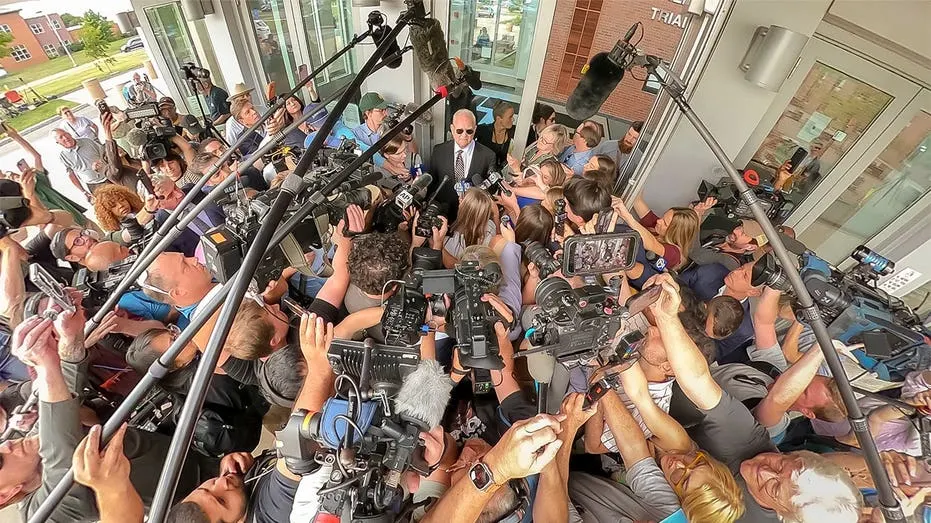
Kevin Reddington, the lawyer for Massachusetts mother Lindsay Clancy, has outlined an aggressive strategy to avoid a retrial after a Norfolk Superior Court jury deadlocked last month, prompting Judge William Sullivan to declare a mistrial. Clancy has pleaded not guilty by reason of insanity to charges relating to the 2023 deaths of her three children, and prosecutors have yet to decide whether to pursue a second trial, making Reddington's approach significant in shaping what happens next.
Reddington's plan includes arguing later this month that a retrial would breach Clancy's constitutional protection against double jeopardy, since the mistrial was declared over the defence's objection. If unsuccessful, he hopes Plymouth County District Attorney Tim Cruz will reduce the charge to second-degree murder, allowing Clancy to opt for a bench trial and potentially secure probation with mandatory psychiatric treatment instead of prison. He also defended his criticism of the sole holdout juror, renewed his call for President Trump to intervene with Cruz, and expressed regret over some of his earlier remarks about the district attorney.
In short
- Clancy's lawyer plans to fight any retrial on double jeopardy grounds
- He wants charges reduced so a judge, not jury, decides
- Lawyer seeks psychiatric treatment, not prison, and Trump's help
Steelman: both sides, in good faith
The strongest fair case each way — we don't pick a winner.
The case for
The defence can argue that retrying Clancy after a jury deadlock, especially over the defence’s objection to a mistrial, risks undermining the constitutional protection against repeated prosecution. It can also contend that severe mental illness should shape both the charge and outcome, and that a reduced charge with court-ordered psychiatric treatment may better serve justice than a prison sentence.
The case against
Prosecutors can argue that a deadlocked jury reached no verdict, so a retrial is a legitimate way to resolve grave charges and uphold accountability for the children’s deaths. They may also consider a reduced charge or treatment-focused outcome insufficient to reflect the seriousness of the alleged crimes, while maintaining that charging decisions should be made through the ordinary legal process rather than presidential intervention.
Explained simply
Lindsay Clancy is a Massachusetts woman charged over the deaths of her three children in 2023. She has pleaded not guilty by reason of insanity, meaning her defence argues that a mental illness affected her responsibility for the alleged crimes; prosecutors must prove the charges in court.
A jury at Norfolk Superior Court could not reach a verdict, so the judge declared a mistrial. That means the case ended without a decision on guilt, and prosecutors can consider whether to bring it to trial again. Clancy’s lawyer, Kevin Reddington, and Plymouth County District Attorney Tim Cruz are central to decisions about the case’s next steps.
The dispute matters because it could determine whether Clancy faces another jury trial or whether the charges and trial process change. Any outcome would affect how the court considers her mental health and what penalties could follow if she is convicted.
Government Health Medicine Politics World