World news and discussion on TalkFuse.
Live: France braces for new day of protests as unions call for nationwide strike
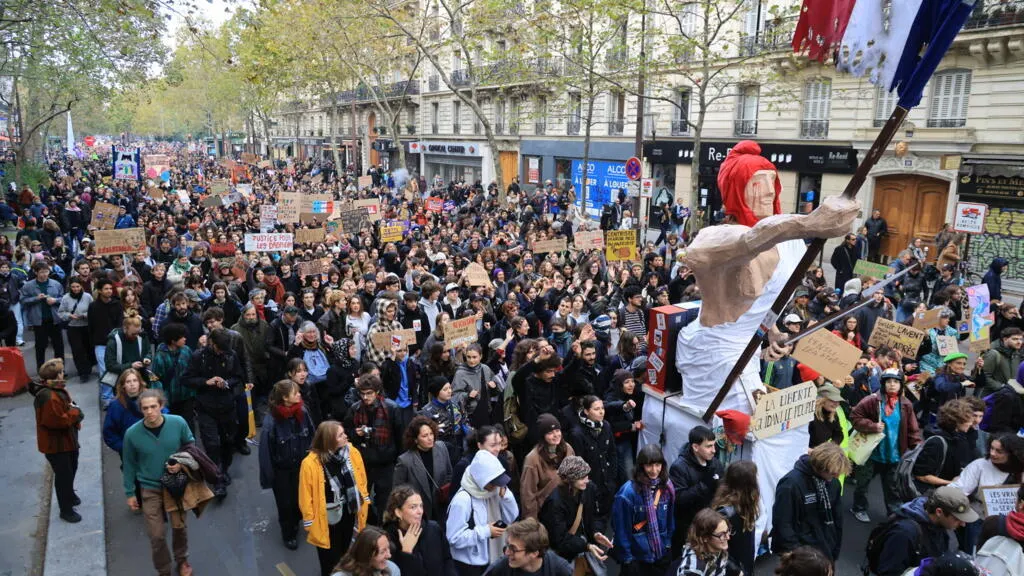
French public sector unions have called a nationwide strike on Tuesday to press for pay rises, as protests continue across the country. Youth organisations and Yellow Vest activists are also expected to take part, adding to pressure on a government facing political divisions and an approaching presidential election.
The government says proposed measures include pay rises of up to €650 gross for more than 1.3 million civil servants and ensuring no civil servant earns below the minimum wage. CGT leader Sophie Binet called the response inadequate, citing a planned 1.6% minimum wage increase. SNCF expects disruption to some regional TER and Paris RER D services, while TGV trains are due to run normally; a Paris rally is scheduled for 2pm, with major metro stations set to close.
In short
- Public sector unions are striking over pay.
- Protests include youth groups and Yellow Vest activists.
- Some regional trains and Paris metro stations face disruption.
Steelman: both sides, in good faith
The strongest fair case each way — we don't pick a winner.
The case for
Unions can argue that public servants’ pay has not kept pace with living costs, and that a planned 1.6% minimum wage rise does too little to address pressure on lower-paid workers. A nationwide strike and demonstrations are legitimate ways to press for stronger pay increases and draw attention to the public sector’s role and working conditions.
The case against
The government can argue that its proposed increases of up to €650 gross for more than 1.3 million civil servants, alongside a floor at the minimum wage, are a substantial response that must be weighed against public finances and competing demands. It may also contend that strikes disrupt essential services and impose costs on commuters and other members of the public, so negotiations should seek improvements without widespread disruption.
Explained simply
France’s public services are run by civil servants, including workers in areas such as transport and administration. Unions represent employees in negotiations with the government over pay and working conditions, and can call strikes to press their demands.
The government sets public-sector pay and says its proposed increases would raise earnings for many civil servants, including those on the lowest wages. The CGT, one of France’s largest trade union confederations, is led by Sophie Binet and argues that the offer does not go far enough.
Strikes can affect public transport and other services, while demonstrations bring workers and groups such as the Yellow Vest movement into public debate. The dispute is unfolding amid divisions in French politics and ahead of a presidential election, giving pay and the cost of living added prominence.
Europe Software Technology World