Politics news and discussion on TalkFuse.
Llama Drama: The U.S. Forest Service Cracks Down on Wilderness TikToks
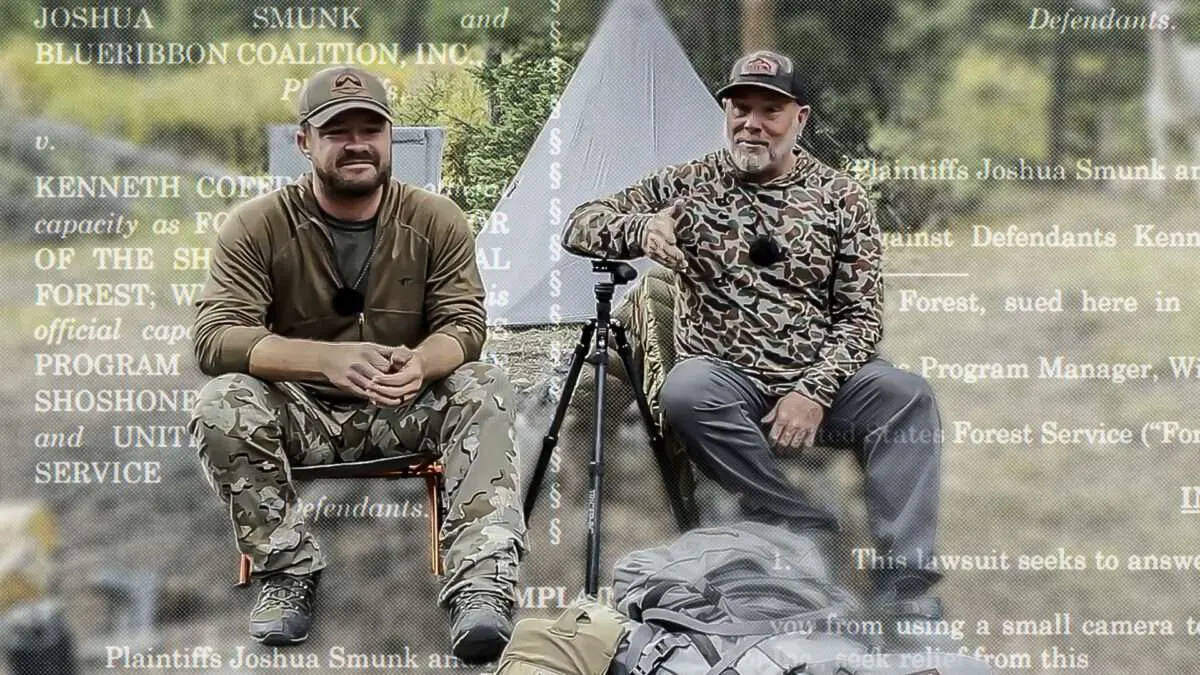
A Wyoming llama operator, Josh Smunk, says U.S. Forest Service officers warned him that appearing in online videos filmed in wilderness areas could violate federal law if the content is commercial. He has filed a lawsuit challenging the agency’s interpretation, arguing it could restrict ordinary visitors from sharing videos of public lands.
The dispute centres on the Wilderness Act of 1964, which bars commercial enterprises in wilderness areas. Smunk was told a vodcast with about 1,800 views and personal Instagram videos could breach the law if monetised, even when he merely appeared in someone else’s video; potential penalties include up to a year in prison and a $100,000 fine. The lawsuit, brought with the BlueRibbon Coalition, says the policy could affect people who upload outdoor footage and earn money from it.
In short
- Forest Service officers warned a Wyoming llama operator about monetised wilderness videos.
- The Wilderness Act bars commercial enterprises in protected areas.
- A lawsuit challenges how the agency applies that rule to online videos.
Steelman: both sides, in good faith
The strongest fair case each way — we don't pick a winner.
The case for
The Forest Service can argue that the Wilderness Act’s ban on commercial enterprise must apply when commercial media activity uses wilderness areas, or the restriction could be easily sidestepped through online content. Clear limits may help protect these places from becoming backdrops for monetised production and preserve them for public enjoyment.
The case against
Smunk and the BlueRibbon Coalition can argue that appearing in or sharing ordinary outdoor videos is not the same as conducting a commercial enterprise in a wilderness area. Applying the law to personal footage because it might be monetised could chill lawful expression about public lands and expose visitors to severe penalties under an uncertain rule.
Explained simply
The Wilderness Act of 1964 protects designated wilderness areas by limiting development and commercial activity. The US Forest Service manages many of these areas and enforces the rules that apply there.
Josh Smunk runs a llama operation in Wyoming and says Forest Service officers warned him that videos filmed in wilderness could break the law if they were commercial. The dispute concerns how the agency applies that rule to online videos, including footage made by other people in which Smunk appears.
The case raises questions about how commercial activity rules apply to people who post outdoor videos and may earn money from them. Its outcome could help clarify how those rules affect visitors who share footage of public lands.
Politics Trending Weird & Viral