Lloyds boss backs devolution plan – but warns against further taxes on banks
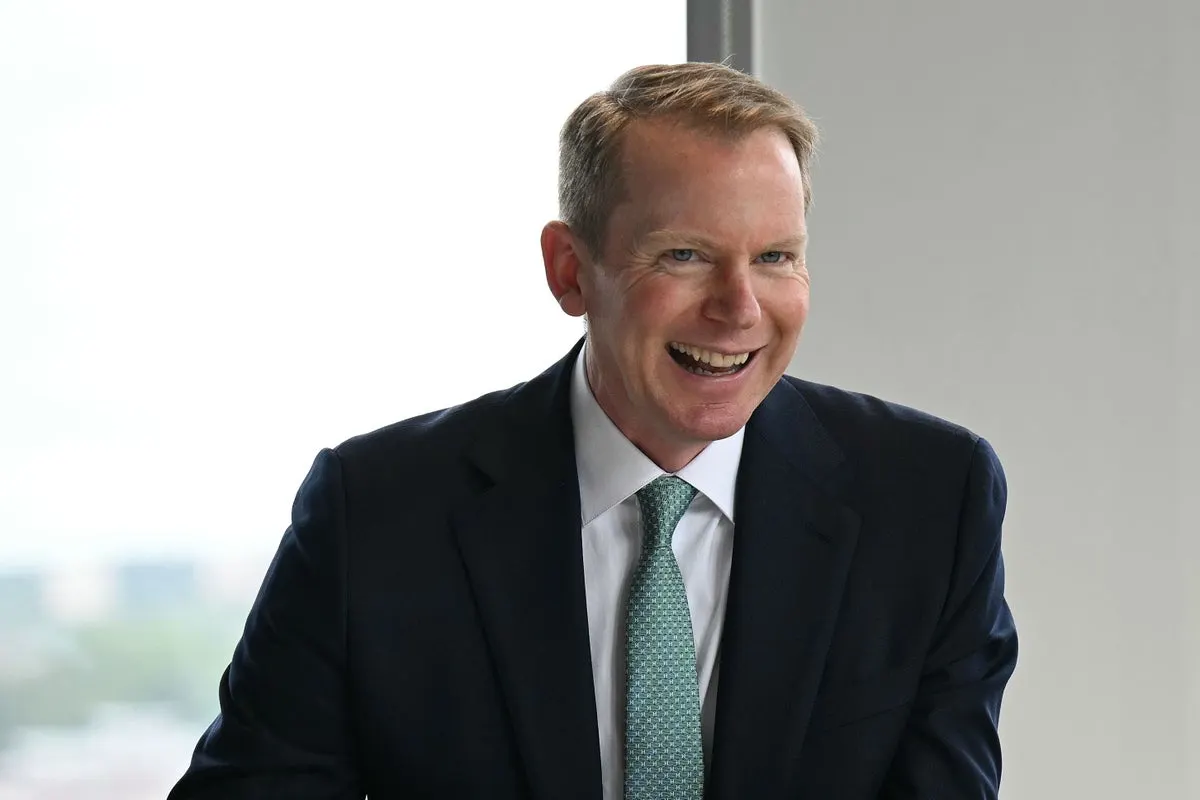
Lloyds Banking Group chief executive Charlie Nunn has backed devolving more decision-making to local authorities, saying it could help government deliver economic growth. Ahead of the Budget, he also urged ministers not to impose additional taxes on banks, arguing that higher taxes could discourage investment and lending.
Nunn said local authorities and mayors can connect land, businesses and universities to make better use of regional assets. He described artificial intelligence as a major opportunity to retrain workers and improve customer advice, while saying more thought was needed about regulation. Banks are widely expected to face extra tax measures in the Budget on 28 October; tax advisers say any new charge would come on top of a higher corporation tax rate than when banks last faced a windfall tax.
In short
- Lloyds chief Charlie Nunn warned against further taxes on banks.
- He said devolution could help government deliver growth.
- He also pointed to AI’s potential to retrain workers and advise customers.
Steelman: both sides, in good faith
The strongest fair case each way — we don't pick a winner.
The case for
Giving local authorities and mayors more control could help tailor decisions to regional needs and bring together land, businesses and universities to support growth. Limiting additional bank taxes could also preserve funds for investment and lending, while giving banks more scope to support businesses and households.
The case against
National decisions can help coordinate priorities across regions and ensure public accountability, while devolution may produce uneven results where local capacity differs. Additional taxes on banks could raise revenue for public services or wider economic priorities, and the effect on lending and investment would depend on how banks respond.
Explained simply
Devolution means shifting some decisions and powers from central government to local or regional bodies. In England, elected mayors and local authorities can influence areas such as transport, planning and economic development, though their powers vary.
Lloyds Banking Group is one of the UK’s largest banks, and Charlie Nunn is its chief executive. Banks provide lending to households and businesses, while also paying taxes; governments can change those taxes through measures such as corporation tax or a one-off charge.
The debate matters because local leaders’ decisions can affect how regions use land, skills and investment, while changes to bank taxes may affect how banks allocate money. Artificial intelligence is also prompting discussion about how businesses use new technology and support workers as jobs and services change.