Locarno: The Filmmakers Behind ‘Piluk,’ From the National Film Board of Canada, Discuss the Language of Animation
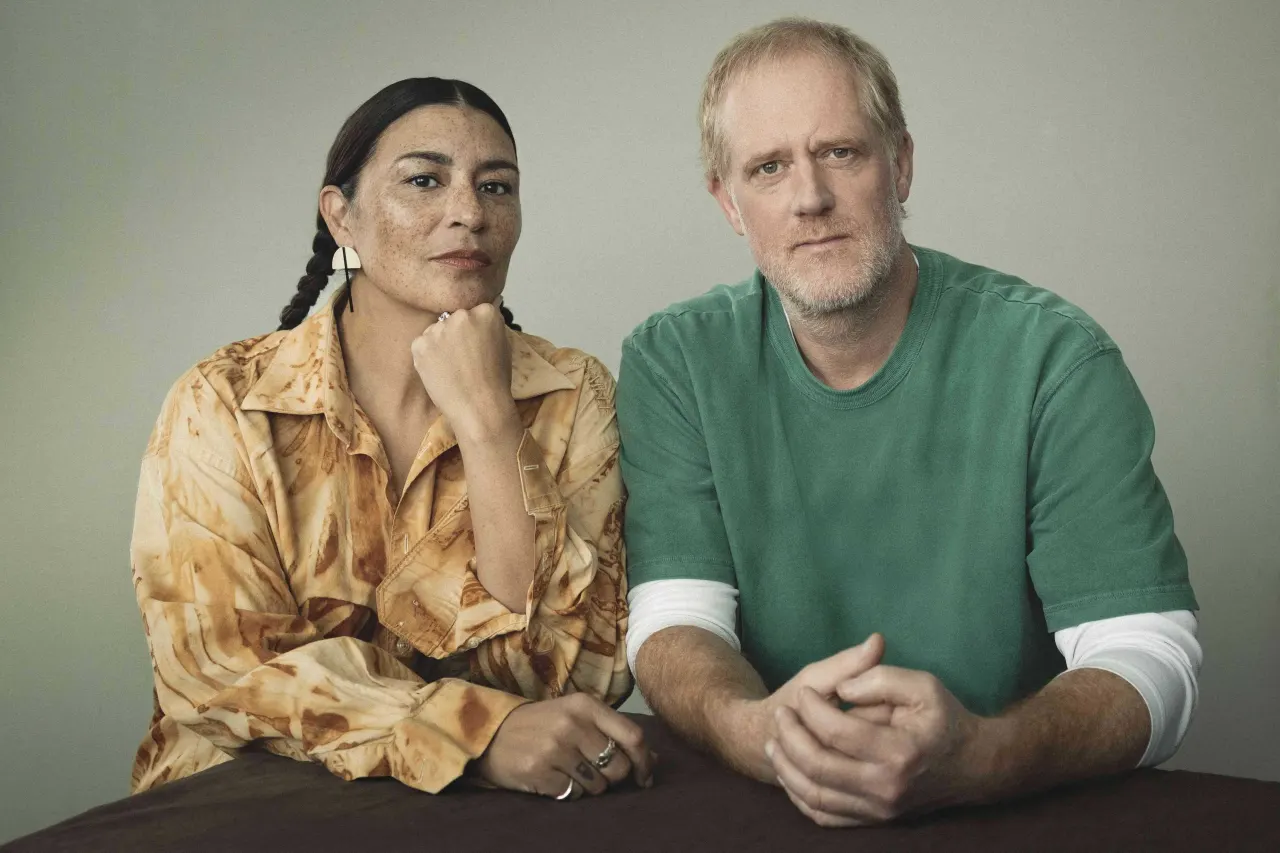
The National Film Board of Canada's new short film "Piluk" has had its world premiere in the Pardi di Domani section of the Locarno Film Festival, and its directors have discussed their deliberately low-tech approach to animation. Directed by artists Marc Séguin and Elisapie Isaac, the film tells its wordless story using hand-drawn imagery and live vocal performance rather than dialogue or digital effects, with the pair explicitly rejecting the use of AI in favour of traditional pencil-and-paper craftsmanship.
The film follows a wingless-turned-winged girl named Piluk as she travels from the countryside to an unnamed city, caring for animals along the way, told entirely through animation and an expressive choral soundtrack rather than spoken dialogue. It was produced from more than 8,000 hand-drawn images using pen, charcoal and pencil, and features throat-singing inspired by Inuk oral storytelling traditions, with Isaac and Séguin favouring a minimalist, ambiguous style that leaves space for audiences to interpret meaning for themselves.
- NFB Canada's animated short "Piluk" premiered at Locarno's Pardi di Domani section
- Made from 8,000+ hand drawings; directors deliberately avoided using AI
- Wordless story told through imagery and Inuk-inspired throat-singing soundtrack
New here? Start with this
Piluk is a new short animated film by the National Film Board of Canada, a government-funded organisation that has produced Canadian documentaries and animation for decades. It has just had its first public screening at the Locarno Film Festival in Switzerland, one of the world's longest-running film festivals, in a section that showcases new and emerging filmmaking talent.
The film was made by two artists, Marc Séguin and Elisapie Isaac, who chose to build it entirely by hand rather than using computers or artificial intelligence. It tells the story of a girl who gains wings and travels from the countryside into a city, and instead of spoken dialogue it relies on drawn images and singing, including throat-singing drawn from Inuit storytelling traditions, to carry the narrative.
The wider context is an ongoing debate in film and animation over how much technology, including AI tools, should be used in creative work. By deliberately favouring pencil, charcoal and traditional hand-drawn craft, the filmmakers are positioning their approach as a counterpoint to more automated or digital methods increasingly common in the industry.