London mayor orders council to drop plan to ban new pubs and bars in Soho and West End
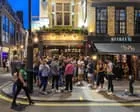
London's mayor Sadiq Khan has exercised newly granted powers to intervene in Westminster council's licensing policy, requiring the council to scrap its plan to prevent new bars and pubs from opening in Soho and the West End. The controversial draft policy would have imposed standing-consumption bans ('vertical drinking'), mandatory table service, strict closing times, and designated the entertainment districts as 'cumulative impact zones' where new venues could open only in exceptional circumstances. The policy sparked significant opposition after public disclosure of its restrictions.
Khan argues that the council's framework has effectively discouraged licensed venues, citing data showing declining license applications and low approval rates in these areas. He is pushing Westminster to abandon the cumulative impact zones and core hours policies in favour of what he describes as a 'positive vision of economic growth' for nightlife, citing Manchester as a model of more permissive licensing. This represents Khan's first use of recently delegated mayoral powers to override local licensing decisions.
- Mayor Khan overrides Westminster council's plan to ban new bars and pubs in Soho and the West End using newly granted powers
- Council's proposed restrictions included banning standing consumption ('vertical drinking'), mandatory table service, and early closing times
- Khan seeks a growth-focused licensing framework aligned with economic expansion rather than cumulative impact restrictions
New here? Start with this
Westminster City Council is the local authority responsible for licensing pubs, bars and other venues in Soho and the West End. Its licensing policy sets the conditions new venues must meet and can take account of concerns such as noise, public safety and pressure on local services.
Sadiq Khan is the Mayor of London, whose role includes city-wide transport, planning and economic responsibilities. Licensing decisions are usually made by councils, but new powers allow the mayor to intervene in some local policies.
The debate matters because Soho and the West End are major centres for London’s nightlife and businesses, while also being residential areas. Licensing rules can affect where venues open and how they operate, as well as how councils address the impact on people who live nearby.
Both sides, in good faith
The strongest fair case each way — we don't pick a winner.
The case for
The council's restrictive framework has demonstrably discouraged investment and venue applications in these historic entertainment districts, with declining approval rates suggesting regulation had become prohibitively heavy-handed. A more permissive approach, as proven by Manchester's thriving night-time economy, enables genuine economic growth, tourism revenue, and the vibrant cultural life these areas are known for, without requiring restrictions that effectively amount to de facto bans on new businesses.
The case against
Cumulative impact policies exist because concentrations of late-night venues in densely residential areas genuinely generate serious externalities—noise, antisocial behaviour, public safety risks, and degraded quality of life for residents. The proposed restrictions on hours and consumption methods are proportionate tools for managing these real harms whilst still permitting responsible venues. Effective regulation is not anti-business; it sustains the night-time economy by preventing the overconcentration that ultimately damages both communities and the sector itself.