Long-hidden UFO information at center of Trump push to free former officials
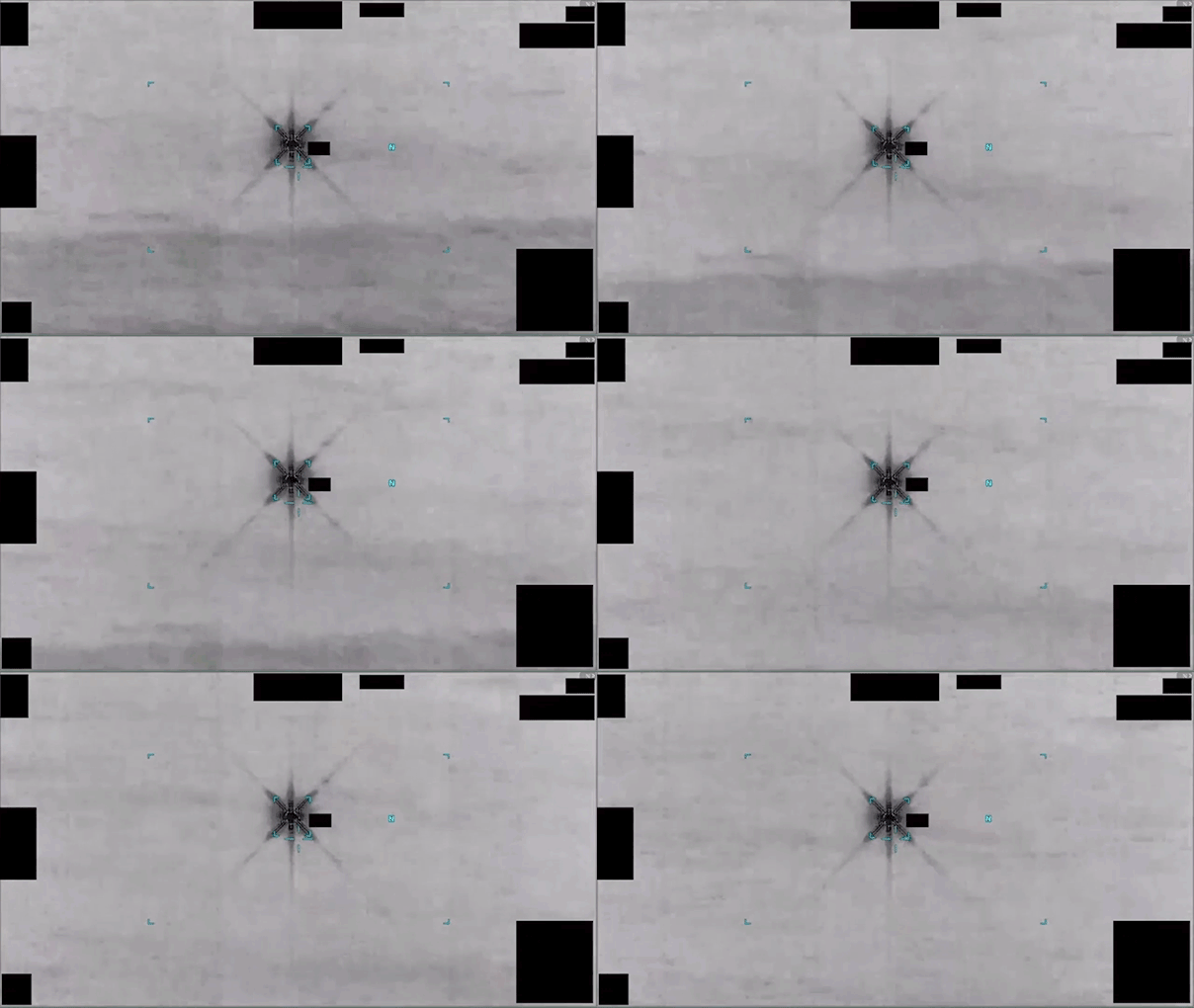
President Donald Trump has directed federal agencies, including the Department of War and the intelligence community, to waive previous non-disclosure agreements for former government employees and contractors who hold information about unidentified anomalous phenomena (UAP), Fox News Digital reported. The move is intended to allow these individuals to come forward and share what they know without fear of breaching confidentiality agreements they had previously signed, potentially unlocking long-withheld information related to UFO sightings and investigations.
According to the report, the directive would let former officials and contractors with relevant UAP-related knowledge meet with designated government representatives to disclose information previously kept under wraps. The move follows a series of Pentagon releases of UFO-related files ordered by Trump, continuing a broader push towards greater transparency on the subject during his administration.
In short
- Trump orders agencies to waive NDAs for former UAP-related staff.
- Aim is to let whistleblowers disclose hidden UFO information freely.
- Follows Pentagon's ongoing releases of UFO files under Trump.
Steelman: both sides, in good faith
The strongest fair case each way — we don't pick a winner.
The case for
The waiving of NDAs represents an important step towards democratic accountability and public transparency. Citizens have a legitimate interest in understanding what their government has investigated regarding anomalous phenomena, particularly given these matters have been compartmentalised for decades. Allowing former officials and contractors to disclose previously withheld information without legal jeopardy serves the broader principle that governmental secrecy must be subject to democratic scrutiny, especially when it concerns matters of widespread public interest. The move reflects a reasonable judgment that information long removed from active intelligence operations can be shared without compromising genuine national security.
The case against
Broadly waiving non-disclosure agreements without specific content review could significantly compromise legitimate national security interests and intelligence methods. NDAs serve essential functions in protecting ongoing investigations, classified sources and methods, and information that adversaries might exploit. Proper oversight mechanisms—parliamentary committees, authorised declassification reviews, and security-cleared investigating bodies—exist precisely to balance transparency with protection of sensitive information. Permitting unvetted disclosure through blanket NDA waivers circumvents these safeguards and sets a troubling precedent for other classified programmes, potentially weakening the government's ability to protect genuinely sensitive operations.
Explained simply
The United States government has collected information about unexplained aerial phenomena, often referred to as UFOs or unidentified anomalous phenomena (UAP), for decades. Many files related to these sightings and investigations have been kept classified or hidden from public view, with officials citing national security concerns.
Former government employees and military contractors who worked on classified programmes involving UAP have been bound by legal agreements that prevent them from publicly discussing what they learned. These individuals are among the few people with direct knowledge of US government UFO investigations, but have been unable to share their experiences without risking legal trouble.
The question of what the government actually knows about unexplained sightings has long fascinated the public, prompted congressional inquiries, and inspired investigative efforts. Public interest in UAP information reflects broader demands for government transparency and genuine scientific curiosity about what remains unexplained in the skies.
Celebrity Entertainment Government Paranormal Politics Weird & Viral World