What will a pedestrianised Oxford Street mean for transport?
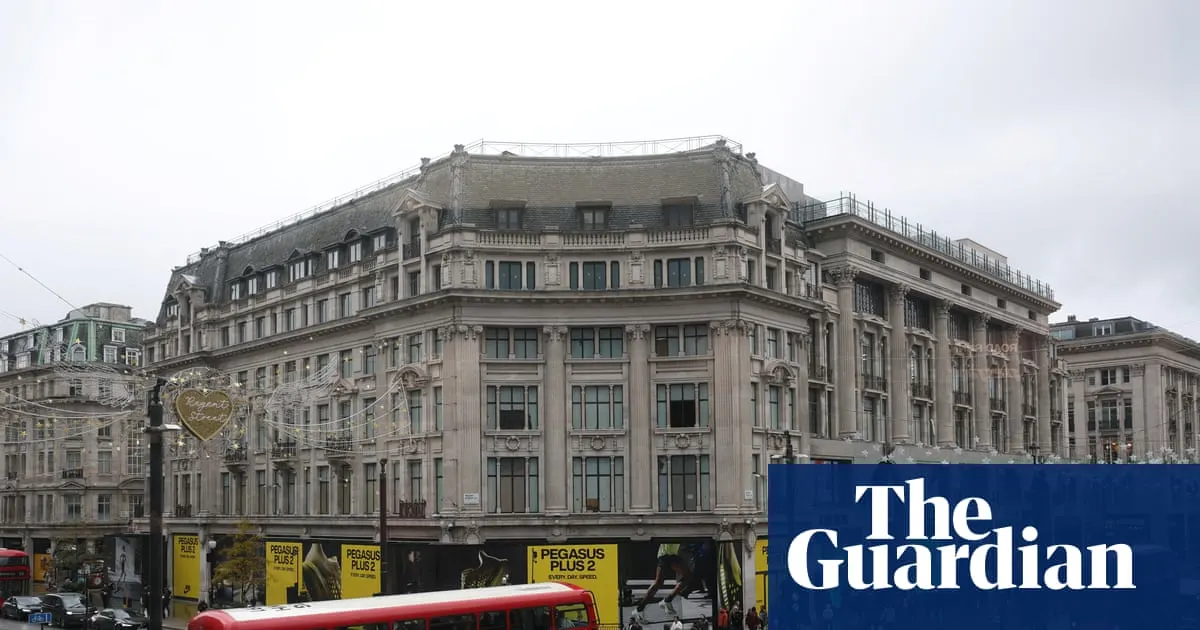
Nearly 0.6 miles of Oxford Street, between Orchard Street and Great Portland Street, will become vehicle-free from 26 October under a £150m government-backed scheme. The change is intended to improve the area as a shopping and public space and supports London mayor Sadiq Khan’s clean-air plans; its scale and profile could also influence how other cities plan their centres.
The closure will run daily from 7am to midnight and exclude buses, black cabs, bicycles, cars and e-scooters, while mobility scooters and emergency services retain access. Buses including routes 7, 98 and 390 will be diverted to Wigmore Street, and taxi ranks will sit within 100 metres; deliveries can take place outside closure hours on specified routes. Trees, seating, improved lighting and public squares are planned, while any expansion beyond this first phase is likely to depend on how the scheme performs.
In short
- Nearly 0.6 miles of Oxford Street will become vehicle-free.
- Buses will divert to Wigmore Street.
- Plans for further pedestrianisation depend on the scheme’s success.
Steelman: both sides, in good faith
The strongest fair case each way — we don't pick a winner.
The case for
Removing traffic could make Oxford Street safer, quieter and more pleasant for the millions who visit, while creating room for trees, seating and public space. Supporters may argue that better walking conditions and cleaner air would help shops and the wider area, and that the trial can show whether a major city-centre street works better with fewer vehicles.
The case against
A vehicle-free street could make journeys harder for people who rely on buses, taxis or other vehicles, particularly those with limited mobility, even with nearby taxi ranks and access for mobility scooters. Critics may also worry that diversions shift congestion and pollution to neighbouring streets, and that the £150m cost and disruption are not justified unless the scheme brings clear benefits to local businesses and residents.
Explained simply
Oxford Street is a major shopping street in central London, served by several bus routes and close to Underground stations. Its shops, offices and visitor attractions bring large numbers of people into the area, while buses, taxis, bicycles and other vehicles also use the road.
The scheme covers a stretch between Orchard Street and Great Portland Street. It is part of wider efforts by London Mayor Sadiq Khan and the government to improve public spaces and address air quality, while changes to bus routes and vehicle access affect how people travel and make deliveries.
The results may shape decisions about whether to extend the changes along Oxford Street. They may also offer an example for other cities considering how to balance traffic, public transport, shopping and space for people on foot.
Americas Art Business Culture Government Politics UK World