Technology news and discussion on TalkFuse.
Lutnick Caught In Bipartisan Crossfire Over Chinese Spy Scandal Rocking Nvidia
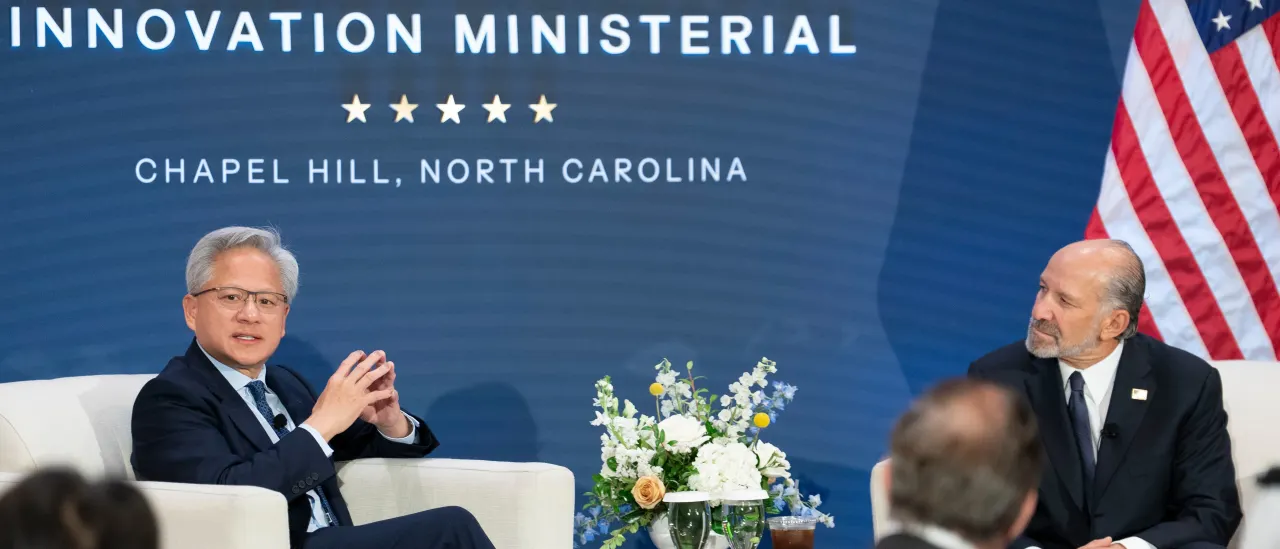
Commerce Secretary Howard Lutnick is facing criticism from both parties over claims that his department failed to prevent advanced Nvidia chips from reaching Chinese-linked companies. The dispute has drawn attention to the enforcement of US technology export controls and prompted calls for congressional testimony.
In a letter, Democratic Senator Maria Cantwell said Commerce paused an investigation into Singapore-based Megaspeed in 2025 and left gaps in restrictions, despite reported national security concerns. Republican Senator Tim Scott requested that Lutnick and Nvidia chief Jensen Huang testify on 3 December; Treasury Secretary Scott Bessent said several other agencies had supported putting Megaspeed on a US blacklist. The article also reports Cantwell’s allegation that Lutnick’s family held $1.2 billion in Nvidia stock through Cantor Fitzgerald when he was nominated, and says a new US rule aims to restrict foreign remote access to advanced semiconductors.
In short
- Lutnick faces scrutiny from senators of both parties.
- Cantwell says Commerce left export control gaps around Megaspeed.
- Scott requested testimony from Lutnick and Nvidia’s Huang.
Steelman: both sides, in good faith
The strongest fair case each way — we don't pick a winner.
The case for
A strong case for tougher scrutiny is that advanced chips can support Chinese-linked companies’ access to capabilities with military or intelligence uses, so export controls need consistent enforcement and clear accountability. If an investigation was paused despite national security concerns, Congress has reason to establish what happened, whether officials followed the rules, and whether financial interests were properly managed.
The case against
A strong case for caution is that the allegations and reported links do not by themselves establish that Lutnick improperly intervened or that the chips reached prohibited end users. Export controls involve multiple agencies and complex supply chains, so hearings should distinguish evidence of individual misconduct from gaps in policy or coordination, while avoiding restrictions so broad that they unnecessarily harm legitimate trade and US technology firms.
Explained simply
The United States controls exports of some advanced computer chips because they can be used in powerful computing systems, including systems with military applications. Nvidia is a major chipmaker, and the Commerce Department oversees many US export restrictions.
Megaspeed is a Singapore-based company that has drawn scrutiny over alleged links to Chinese firms. Several US agencies are involved in assessing national security risks and deciding whether companies should be placed on a government blacklist that limits their access to US goods and technology.
The dispute has raised questions about how export controls are enforced and how agencies coordinate their decisions. It has also focused attention on the relationship between government officials and companies affected by those rules.
AI Asia Politics Technology World