World news and discussion on TalkFuse.
HMS Vengeance returns after record 217 days underwater on patrol
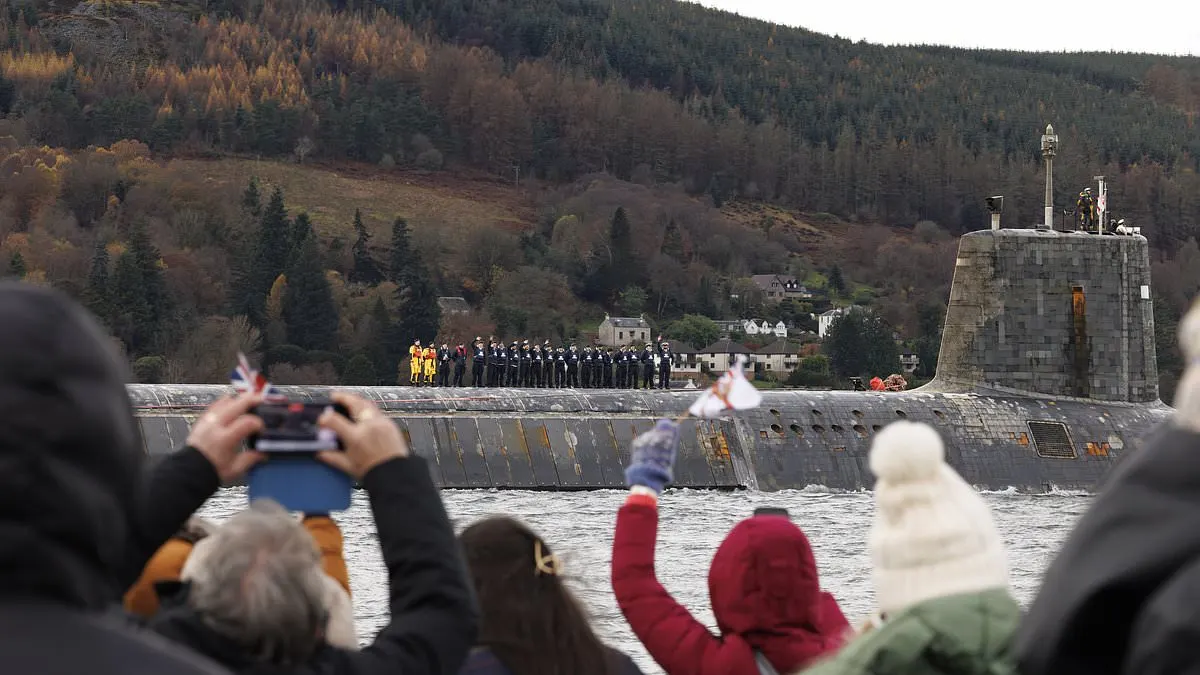
HMS Vengeance returned to the UK after spending 217 days underwater on patrol, a record for the submarine. The mission highlighted the endurance required of its crew and the role of the UK’s continuous at-sea nuclear deterrent.
The 15,000-tonne Vanguard-class submarine carries 16 Trident missile tubes and has a crew of about 140. The article describes cramped living conditions, stale air and pests aboard, as well as the crew’s return to daylight and fresh air for the first time since deploying in April.
In short
- HMS Vengeance completed a record 217-day underwater patrol.
- About 140 crew members served aboard the submarine.
- The vessel carries 16 tubes for Trident missiles.
Steelman: both sides, in good faith
The strongest fair case each way — we don't pick a winner.
The case for
A long, continuous at-sea deterrent patrol can be defended as a way to make the UK’s nuclear forces harder to locate and therefore strengthen deterrence, potentially reducing the risk of attack. Supporters may also see the record deployment as evidence of the crew’s professionalism and of the country meeting its defence commitments in an uncertain security environment.
The case against
Critics may question whether the security benefits of continuous nuclear patrols justify their substantial financial and human costs, especially given the strain of prolonged isolation and difficult living conditions for the crew. They may argue that resources would be better directed towards other forms of defence or diplomacy, and that reliance on nuclear weapons carries serious risks of escalation and humanitarian harm.
Explained simply
The UK’s nuclear deterrent is designed to ensure that at least one nuclear-armed submarine is on patrol at all times. This is known as continuous at-sea deterrence: the submarine stays hidden and ready so the UK can respond if it is attacked.
HMS Vengeance is one of four Vanguard-class submarines that carry the UK’s Trident missiles. Each can patrol for months with a crew of around 140, living and working in confined conditions while remaining largely cut off from the outside world.
Read the full article at the source →
Originally published by Daily Mail as “Magnum ice cream, messages from home and even hosting their own World Cup: How the crew of British nuclear sub HMS Vengeance survived their record-breaking seven months at sea”.