Major League Baseball is experimenting with new rules this fall to fundamentally change the sport
Major League Baseball is testing ways to increase offence as strikeouts rise and batting averages fall, with defensive positioning among the factors it is examining. Restrictions on infield shifts have increased the batting average on ground balls, but the article says total hits have not risen because hitters increasingly put the ball in the air, where well-positioned fielders can still prevent hits.
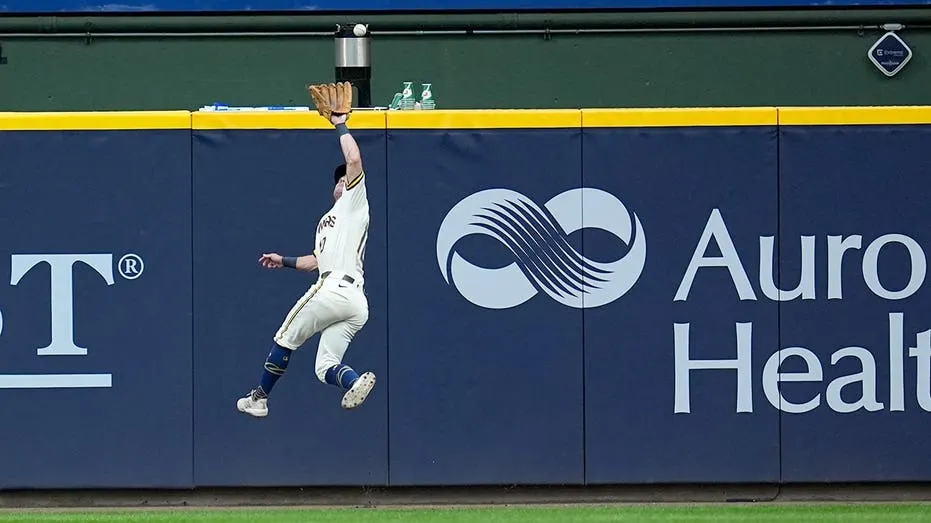
The article points to a play in the National League Championship Series: Freddie Freeman hit a 106.4 mph ball at a 22-degree angle towards the right-centre gap, a type of hit that Statcast says succeeds 84% of the time. Milwaukee right fielder Sal Frelick was positioned to reach it. The article argues that MLB’s next rule experiments could target how defensive positioning suppresses the results of hard-hit balls in the air.
- MLB is considering further rule changes to lift offence.
- Shift limits improved ground-ball averages, but not total hits.
- Positioning can turn likely hits into outs.
New here? Start with this
Major League Baseball (MLB) is the organisation that runs the top professional baseball leagues in the United States and Canada. In baseball, batters try to hit the ball and run between four bases, while the opposing team’s fielders try to stop them.
MLB has been testing rule changes as strikeouts have risen and batting averages have fallen. Limits on shifting infielders have made ground balls more likely to become hits, but batters now often hit the ball into the air, where fielders can still be positioned to catch or reach it.
The debate involves the league, which sets the rules, and teams, whose fielders arrange themselves to prevent hits. It matters because rules about positioning can affect how often batters reach base and the balance between hitting and fielding.
Both sides, in good faith
The strongest fair case each way — we don't pick a winner.
The case for
MLB has a reasonable case for testing limits on defensive positioning: if fielders’ alignments routinely turn hard-hit balls into outs, fans may see fewer hits even as batters make strong contact. With strikeouts rising and batting averages falling, modest experiments could help restore offence and make more plays feel consequential, while giving the league evidence before any permanent change.
The case against
There is also a strong case for preserving defensive positioning as part of baseball’s tactical contest. Teams should be able to place fielders where they judge most effective, and changing that freedom to raise batting averages could weaken the value of strategy and reward particular kinds of contact by rule. The shift restrictions have already raised the average on ground balls, so further intervention may not address why overall hits remain low.