World news and discussion on TalkFuse.
Mamdani, Hasan Piker among radical left-wing voices erupting over Haley Stevens’ endorsement switch
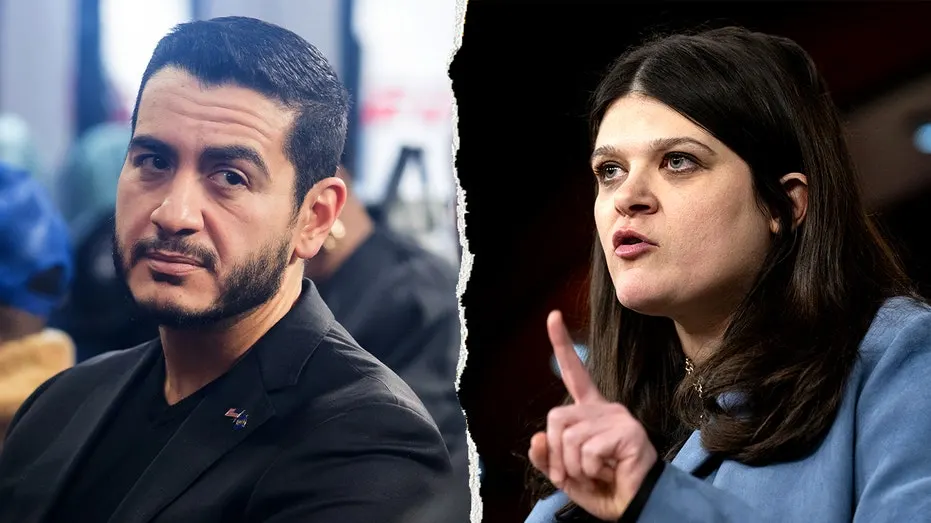
Congresswoman Haley Stevens endorsed Republican Mike Rogers in Michigan’s Senate race days before the election, prompting sharp criticism from prominent Democrats and progressive supporters of Democratic candidate Abdul El-Sayed. The dispute matters because it has exposed divisions within the party at a pivotal point in a contest Democrats hope to win.
Stevens said El-Sayed had told her to stay away from his campaign and criticised his association with streamer Hasan Piker. New York Mayor Zohran Mamdani, Senate Democratic leader Chuck Schumer, House Democratic leader Hakeem Jeffries and DNC chairman Ken Martin condemned her decision; Michigan party chair Curtis Hertel said she would no longer be a party member. Stevens lost the Democratic primary to El-Sayed earlier in the year and is due to leave Congress in January; the article also reports that some of her staff left after the endorsement.
In short
- Haley Stevens endorsed Republican Mike Rogers in Michigan’s Senate race.
- Democratic leaders condemned the move as a betrayal.
- The endorsement deepened divisions shortly before election day.
Steelman: both sides, in good faith
The strongest fair case each way — we don't pick a winner.
The case for
Stevens’s endorsement can be defended as a matter of political judgement: if she believes El-Sayed’s campaign and associations would weaken Democrats’ prospects or conflict with her principles, she may consider it more responsible to back Rogers than to endorse a candidate she opposes. Supporters might also argue that an elected representative should be free to make that choice, even when it frustrates party leaders and some former supporters.
The case against
Critics can argue that endorsing a Republican in a close Senate race risks helping Democrats lose a seat and undermines voters who chose El-Sayed in the primary. They may see Stevens’s move, after losing that primary, as damaging party unity and say that objections to a candidate’s associations should be addressed without backing his opponent.
Elections Government Politics World