World news and discussion on TalkFuse.
Marco Rubio to global elite: ‘Stop quoting laws to men with swords’
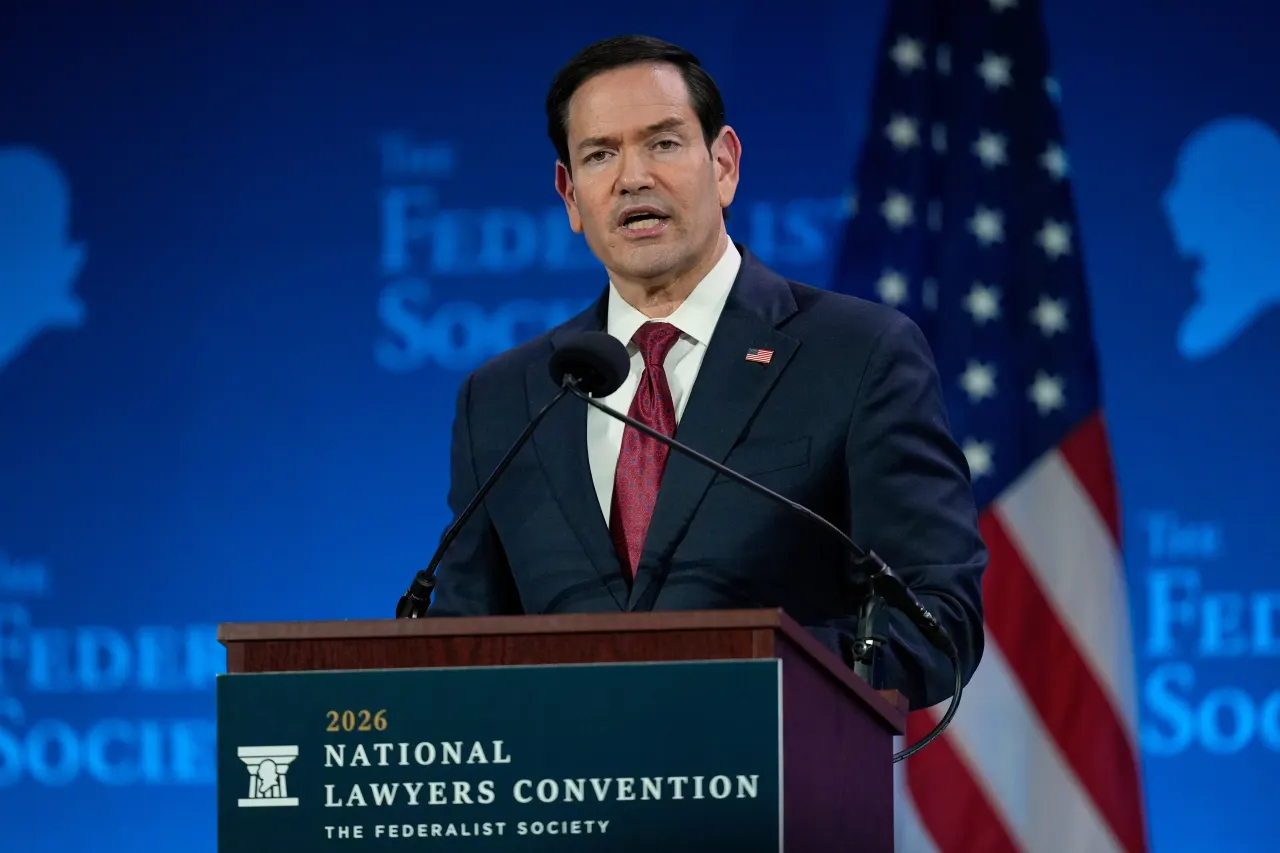
Marco Rubio told the Federalist Society’s National Lawyers Convention that international law is being used by global institutions and activists to weaken national sovereignty. His remarks matter because they set out the Trump administration’s argument for resisting international bodies and legal constraints it considers unaccountable.
Rubio cited criticism of US policies, including the reversal of Roe v. Wade, and accused international organisations of applying rules selectively. He defended President Donald Trump’s decision earlier this year to sanction the International Criminal Court, arguing that the US had not agreed to its authority. Rubio also criticised activist courts and argued that the country should not let legal obligations limit its response to migration, crime or foreign rivals.
In short
- Rubio accused global institutions of using international law to weaken national sovereignty.
- He defended Trump’s sanctions against the International Criminal Court.
- The speech also criticised US courts and international responses to migration and security.
Steelman: both sides, in good faith
The strongest fair case each way — we don't pick a winner.
The case for
Supporters argue that international institutions can exercise influence without clear democratic accountability, and that the US should not be bound by courts whose authority it has not accepted. They see selective criticism and constraints on responses to migration, crime or foreign threats as reasons to protect national sovereignty and elected governments’ room to act.
The case against
Critics argue that international law and courts help countries hold one another to shared standards, including when domestic politics or powerful governments might otherwise leave people without recourse. They see rejecting or sanctioning institutions as weakening those safeguards and making it harder to challenge abuses consistently, even when legal obligations are politically inconvenient.