Margaret Hamilton, software pioneer who helped put humans on the Moon, dies at 90
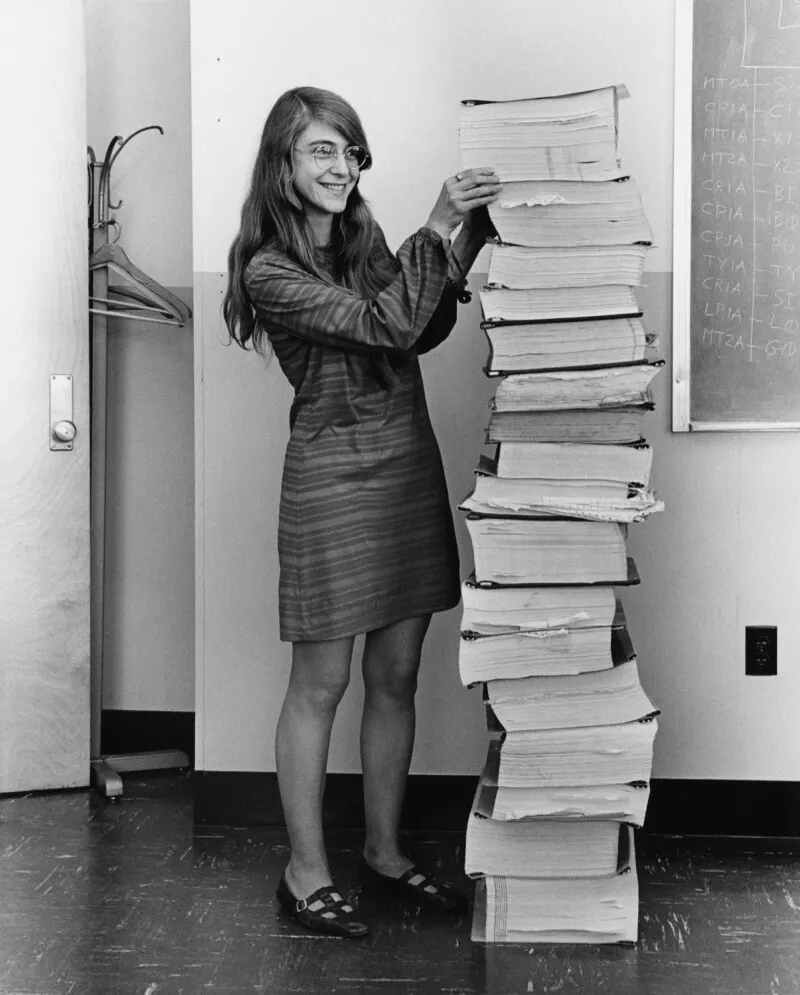
Margaret Hamilton, who led development of the flight software for the Apollo command and lunar modules, has died aged 90. Her team’s work helped Apollo 11 land safely on the Moon in 1969, when computer alarms signalled that the guidance system was overloaded.
Hamilton joined MIT’s Apollo team in 1965 and later championed safeguards that let essential landing tasks continue despite the overload. Her career also helped establish “software engineer” as a recognised term and included developing methods to prevent software errors.
- Margaret Hamilton has died aged 90.
- Her team’s software helped Apollo 11 land safely.
- She helped establish software engineering as a discipline.
New here? Start with this
The Apollo programme was the United States’ effort to send astronauts to the Moon in the 1960s and early 1970s. Its spacecraft relied on computers to guide the astronauts, manage navigation and support the landing.
Margaret Hamilton led a team at the Massachusetts Institute of Technology that wrote software for Apollo’s command and lunar modules. The software included safeguards to help the computer keep essential tasks running when it was overloaded, a capability used during Apollo 11’s 1969 Moon landing.
Hamilton’s work came as computers were becoming more important in complex projects, but software development was still a new field. Her career helped establish software engineering as a recognised profession and drew attention to ways of reducing errors in computer programmes.