Mark Ruffalo accused of antisemitism by Hollywood insiders over Paramount merger remarks
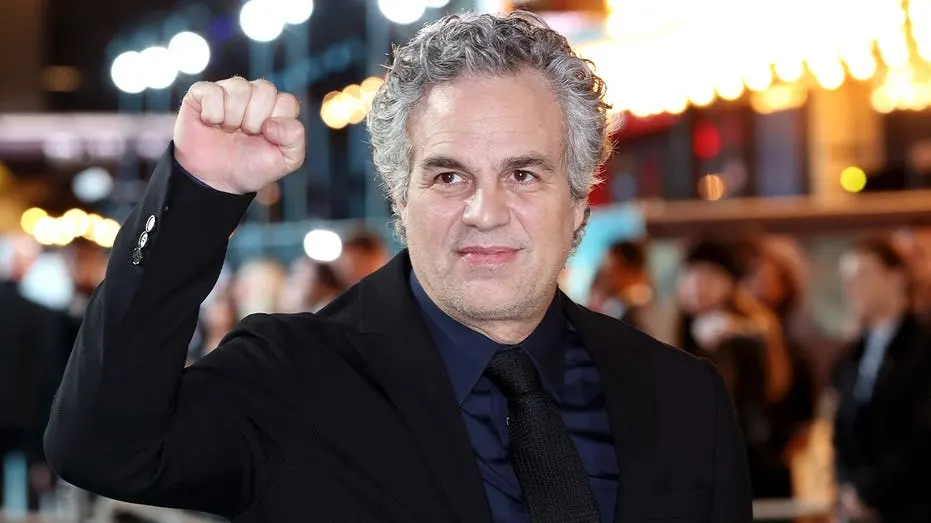
Nearly 1,000 entertainment-industry figures, operating as The Brigade, have accused actor Mark Ruffalo of antisemitism over his criticism of Paramount’s leadership and its proposed $111 billion merger with Warner Bros. Discovery. They said his remarks about Jewish executives and Israel invoked longstanding antisemitic tropes about wealth, power and responsibility for violence; Ruffalo strongly denied this, saying he was criticising corporate and political decisions rather than Jewish people. The dispute highlights continuing tensions in Hollywood over Israel, antisemitism and corporate involvement in defence-related technology.
The row began after Ruffalo shared an August video featuring Oracle executive vice-chair Safra Catz discussing technology used to assist Israel after the 7 October 2023 Hamas attacks. He linked Oracle co-founder Larry Ellison, father of Paramount chief executive David Ellison, to financing for the acquisition and warned about the potential concentration of technology and media power. Paramount said it stood by its criticism of Ruffalo’s comments, while Hollywood figures have publicly split, with John Cusack supporting Ruffalo and others backing The Brigade.
- Industry group accuses Ruffalo of antisemitism over merger criticism.
- Ruffalo denies targeting Jewish people or expressing antisemitic views.
- Dispute centres on Oracle, Israel and Paramount’s proposed $111 billion merger.
New here? Start with this
Paramount and Warner Bros. Discovery are two major American media companies, with film studios and television businesses. Their proposed merger has drawn attention because it would combine large parts of the entertainment industry under one ownership.
The dispute also involves Oracle, a technology company whose systems have been used by Israel, and the Ellison family, which has links to both Oracle and Paramount. Mark Ruffalo’s remarks connected these business relationships with Israel’s actions and the merger, raising questions about corporate power and responsibility.
In Hollywood, debate over Israel and antisemitism has become especially prominent since the Hamas attacks of 7 October 2023 and the war that followed. The disagreement reflects a wider argument over how to criticise companies and Israeli government policy without invoking prejudice against Jewish people.
Both sides, in good faith
The strongest fair case each way — we don't pick a winner.
The case for
Ruffalo’s defenders can argue that scrutiny of a proposed merger, executives’ business decisions and technology used in military operations is legitimate, especially where media influence and corporate power may become more concentrated. They say criticism aimed at specific people in their professional roles should not be treated as hostility towards Jewish people, and that accusations of antisemitism should not silence debate about Israel or corporate conduct.
The case against
The Brigade’s supporters can argue that remarks linking Jewish executives to wealth, media control and responsibility for violence echo antisemitic tropes, even when framed as criticism of corporate or political decisions. Given the history and persistence of those tropes, they say public figures should take care to distinguish criticism of particular actions from insinuations that Jews collectively wield hidden power or bear collective blame.