Mark Ruffalo Really Hasn’t Forgiven Gavin Newsom For Backing Paramount-WBD Merger; That Could Be A 2028 Problem For Potential POTUS Contender
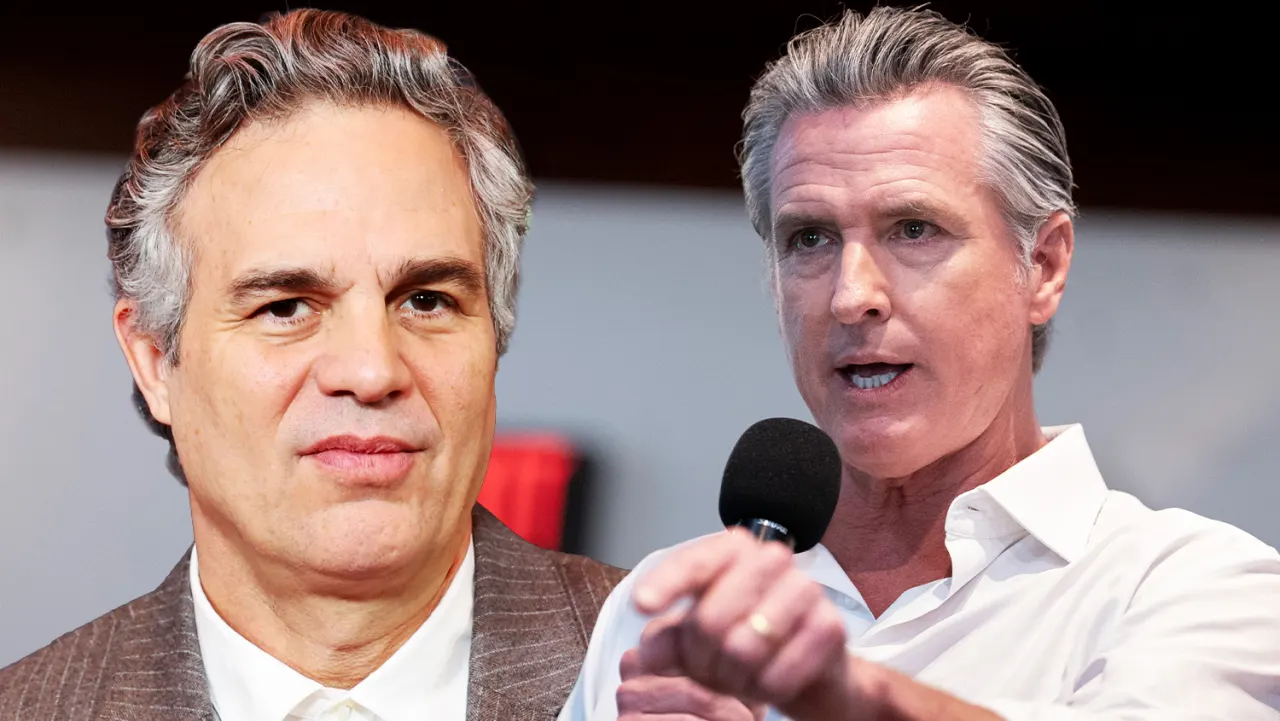
Actor Mark Ruffalo is continuing to criticise California Governor Gavin Newsom over his support for the Paramount and Warner Bros Discovery merger and opposition to a proposed tax on wealthy residents. The dispute could create difficulties for Newsom among Democratic activists if he runs for president in 2028, as critics portray him as too friendly towards billionaires.
Ruffalo said Newsom was siding with the wealthy at the expense of working people. Newsom also supports Proposition 42, which would bar new state taxes on personal property and could limit the effect of Proposition 40, a proposed tax measure on next month’s ballot. Newsom has warned that Proposition 40 could prompt wealthy people to leave California; he has not announced a presidential bid and says he will decide after the midterm elections.
- Ruffalo says Newsom is siding with billionaires.
- The dispute could affect Newsom’s standing with Democratic activists.
- Newsom says he will decide on a 2028 bid after the midterms.
New here? Start with this
California’s governor, Gavin Newsom, is a prominent Democrat who has not said whether he will run for president in 2028. Mark Ruffalo is an actor and political activist who has criticised Newsom’s positions on business and taxation.
Paramount and Warner Bros Discovery are major media companies whose proposed merger would bring their businesses under common ownership. California’s governor can weigh in on major business deals, while state ballot propositions allow voters to decide on proposed changes to law.
The dispute also concerns proposals over how California taxes wealth. Newsom has argued that higher taxes could lead wealthy residents to leave the state; critics say his approach favours the rich over working people.
Both sides, in good faith
The strongest fair case each way — we don't pick a winner.
The case for
Supporters of Newsom’s position could argue that opposing new wealth taxes and backing the merger reflect concern about investment, jobs and California’s competitiveness. They may see the risk of wealthy residents leaving as a practical threat to the state’s tax base and public services, and favour weighing the merger on its economic merits rather than treating it as a test of loyalty to working people.
The case against
Critics could argue that resisting a tax on wealthy residents while supporting a major corporate merger signals that Newsom gives too much weight to the interests of the rich and powerful. They may contend that asking the wealthiest Californians to contribute more is fair and can fund public priorities, and that this record could weaken his appeal to Democratic voters who want a stronger challenge to concentrated wealth.