Mauritius imposes curfew as protests over shortages turn violent
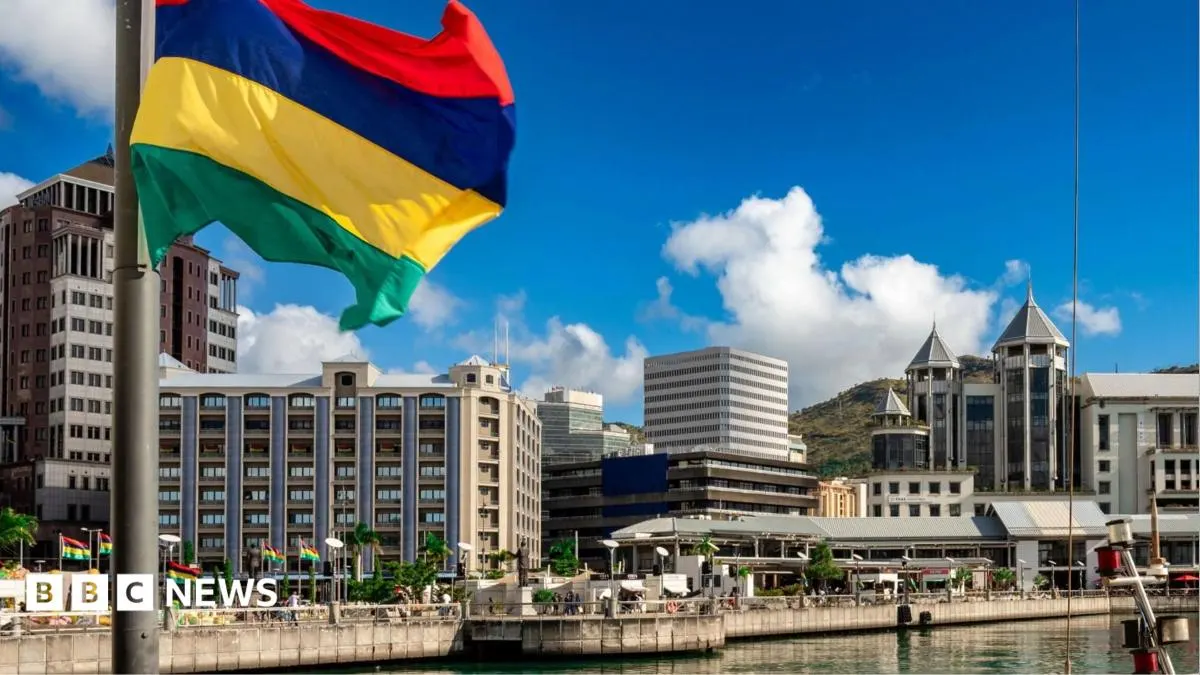
Mauritius imposed an overnight curfew after protests over water shortages and the rising cost of living escalated into the island’s worst riots in decades. The unrest followed the shooting and wounding of a woman by police at a roadblock; the circumstances remain unclear, and the officer has been arrested and remanded in custody.
Protesters burned tyres, blocked roads and vandalised police stations and other public infrastructure, disrupting schools and public transport and prompting embassy warnings. Police reported further incidents and arrests during the curfew, but said traffic was moving again by Wednesday morning. An analyst said unrest on this scale had not been seen since around 1999; water shortages may continue until December, and the cabinet is due to reassess the situation.
- Protests over water and living costs escalated into major riots.
- A woman was shot by police; the officer is in custody.
- Water shortages could persist until the rainy season in December.
New here? Start with this
Mauritius is an island country in the Indian Ocean, east of Madagascar. Its government manages essential services such as water supply and public transport, while the police enforce public order.
Water shortages can disrupt homes and businesses, and higher living costs affect people’s ability to afford everyday essentials. Protests about these pressures have sometimes led to wider unrest in the country, with disruption to roads, schools and public services.
The police shooting of a woman at a roadblock has added to tensions, though the circumstances are still unclear. The incident matters because it raises questions about how police respond to the protests, while the shortages and cost of living remain concerns for residents.
Both sides, in good faith
The strongest fair case each way — we don't pick a winner.
The case for
Supporters of the curfew could argue that, after riots damaged public infrastructure and disrupted transport and schools, a temporary overnight restriction was needed to reduce immediate risks and give police room to restore order. Protecting residents and keeping essential services operating are legitimate priorities, particularly while the circumstances of the police shooting are still being investigated.
The case against
Critics could argue that restricting movement risks burdening residents who were not involved in violence and may deepen mistrust when protests were driven by water shortages and rising living costs. They might favour targeted policing and urgent action on those underlying problems, alongside a transparent investigation into the shooting, to restore confidence without curtailing everyone’s movement.
Americas Government Politics World
Read the full article at the source →
Originally published by BBC World as “Mauritius reels from worst riots in decades after woman shot by police”.