World news and discussion on TalkFuse.
Medicare for All sounds free. But wait until you see your huge tax bill
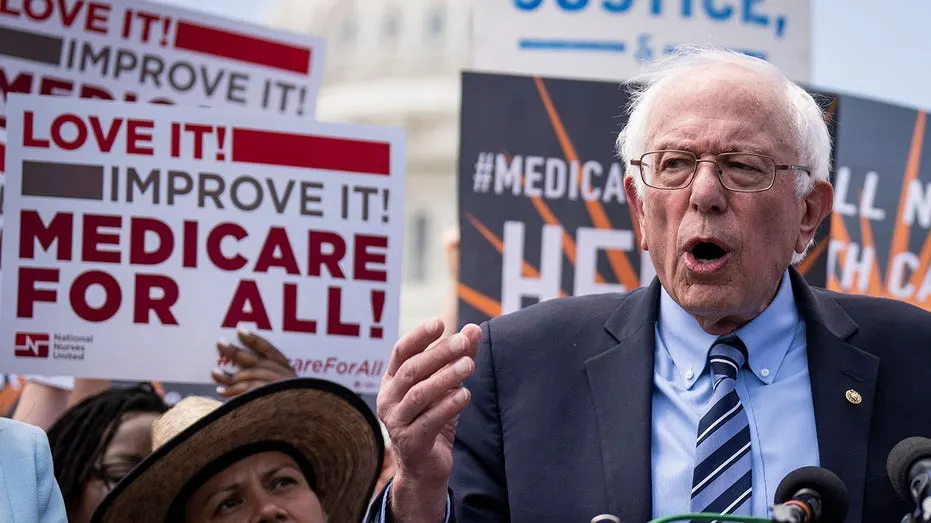
The article argues that Medicare for All would remove many premiums and out-of-pocket charges, but the cost of healthcare would shift to government funding and potentially higher taxes. It says voters cannot know whether a household would save money without details of how a plan would be financed.
It cites Congressional Budget Office modelling that single-payer systems could add about $1.5 trillion to $3 trillion in federal healthcare spending each year by 2030, with the upper end amounting to roughly $30 trillion over a decade. The Committee for a Responsible Federal Budget offered a 32% payroll tax or a 25% income surtax as illustrative ways to fund that scale of spending, not as official proposals; the article also raises concerns about care capacity and the effects on employer-provided insurance.
In short
- Medicare for All shifts healthcare costs towards public funding.
- Illustrative taxes include a 32% payroll tax or 25% income surtax.
- More coverage could increase demand amid provider shortages.
Steelman: both sides, in good faith
The strongest fair case each way — we don't pick a winner.
The case for
A single-payer system could replace premiums, deductibles and many other out-of-pocket charges with public funding, making coverage more secure and costs more predictable for patients. Its supporters argue that the added federal spending is not the same as an equal increase in what households pay overall, since people and employers would no longer pay some private insurance costs; whether a household saves depends on the financing plan and how it is distributed.
The case against
A major expansion of federal healthcare spending would need a durable funding source, and taxes could rise substantially depending on how the system is designed. Critics argue that without a specific financing plan, voters cannot judge who would pay more or whether households would be better off, and they also raise concerns about the system’s capacity to meet demand and the disruption of employer-provided insurance.
Explained simply
Medicare for All is a proposed system in which the government would organise or pay for healthcare for everyone. Many versions would replace health insurance premiums and some charges patients pay directly with public funding, but the details depend on the plan.
The federal government would need to raise substantial sums to cover that spending, potentially through higher taxes or other revenue. Estimates vary with the plan’s design, and suggested tax rates are examples of how funding might work, not agreed proposals.
The debate is about who pays for care and how the change would affect households, employers and the health system. Whether people would pay less overall depends on the taxes and charges they would face, as well as how the system handles access to care and available capacity.